



























Decorating Guide with Artificial Plants: How to Choose the Ideal Fake Tree for Every Space
Artificial plants are no longer just a "substitute" for real ones – they have become stars of modern décor. Whether it's to fill an empty corner in the living room, bring life to an office without natural light, or create a welcoming entrance in a winter garden, today's fake trees offer impressive realism and zero maintenance. In this guide, we teach you how to choose the right model – from topiaries and palm trees to olive trees and ficus – based on room size, exposure (indoor or outdoor), and the decorative style you want to achieve.
1. Choose the type of plant according to the environment
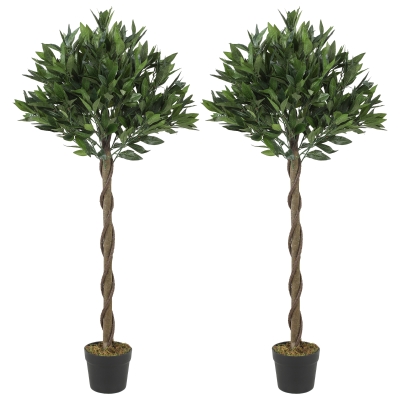
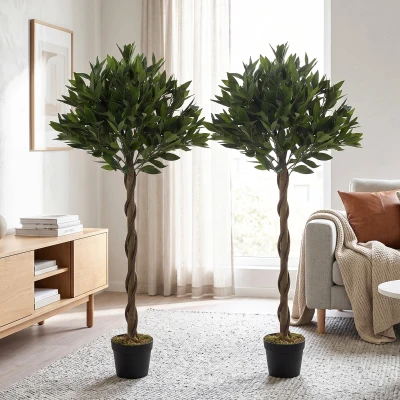
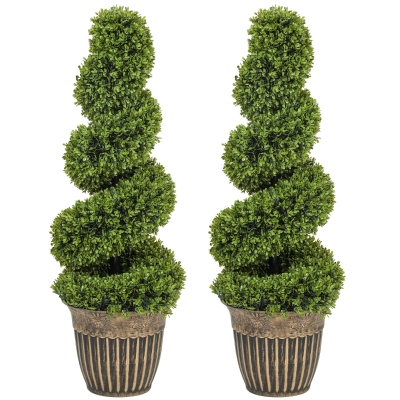
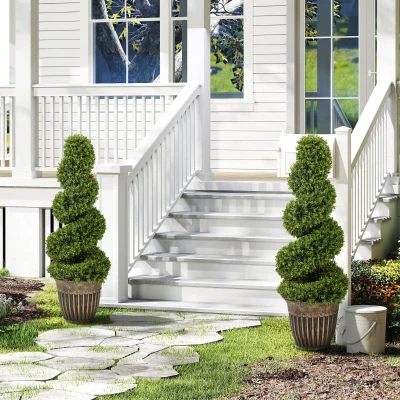
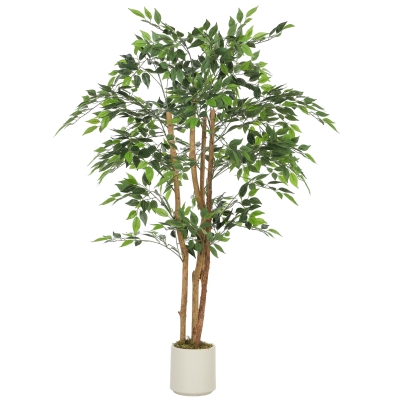
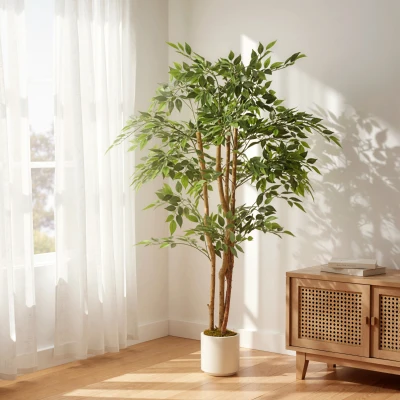
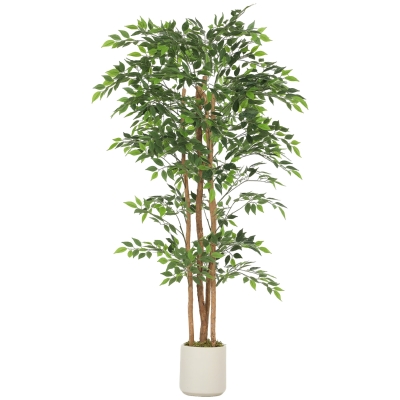
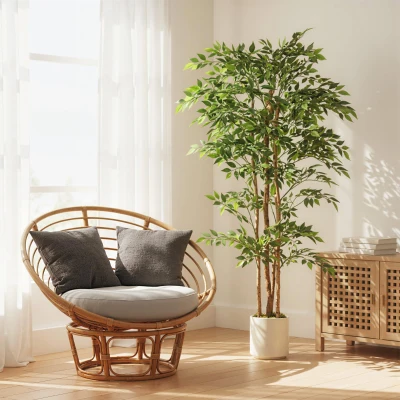
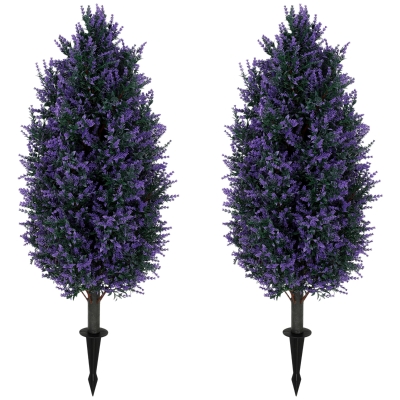
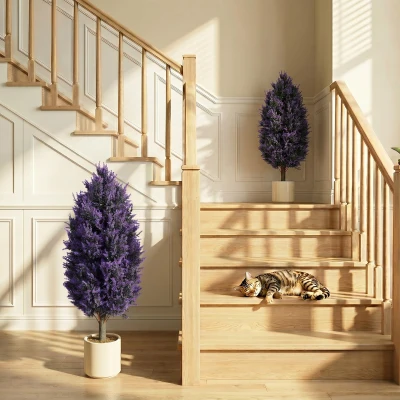
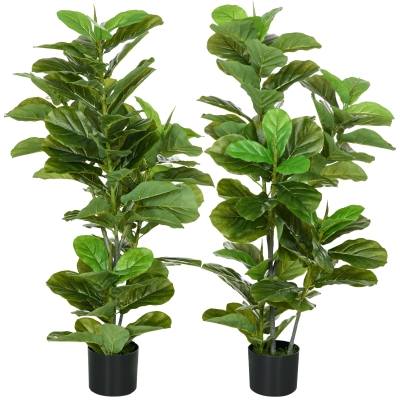
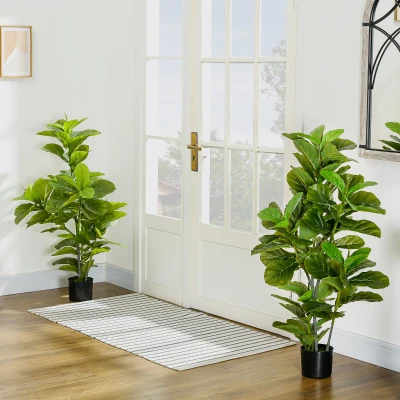
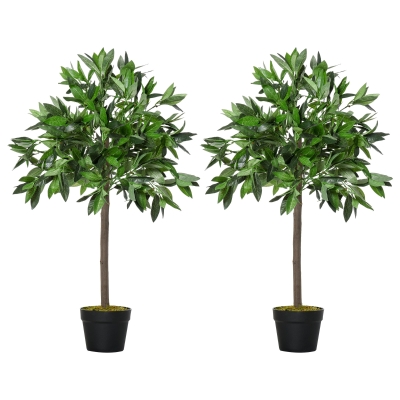
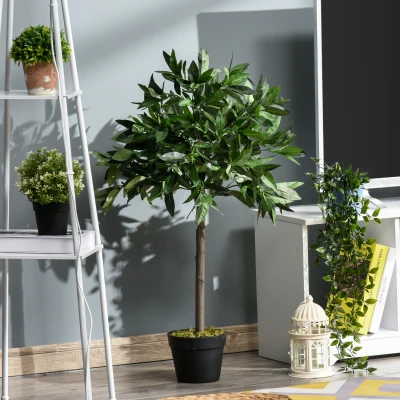
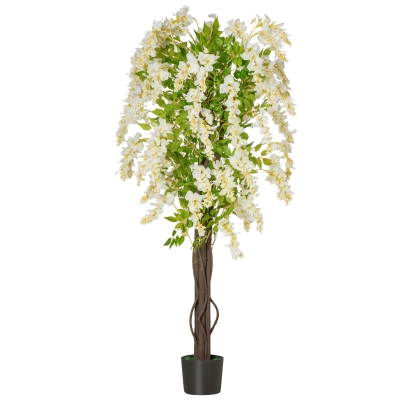
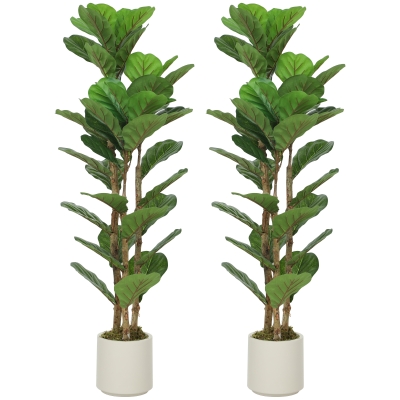
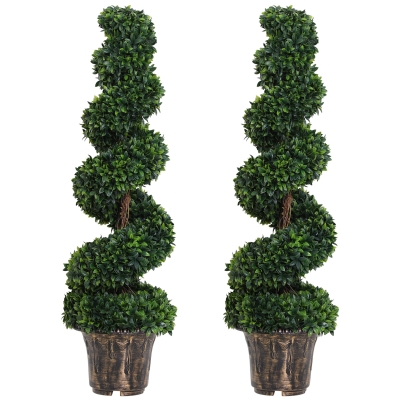
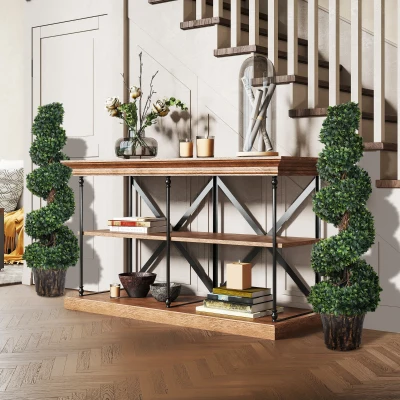
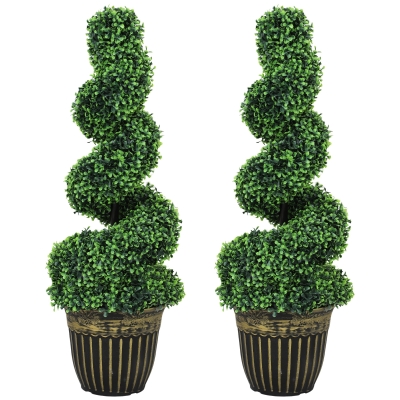
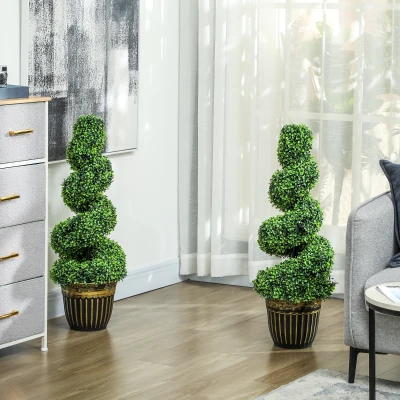
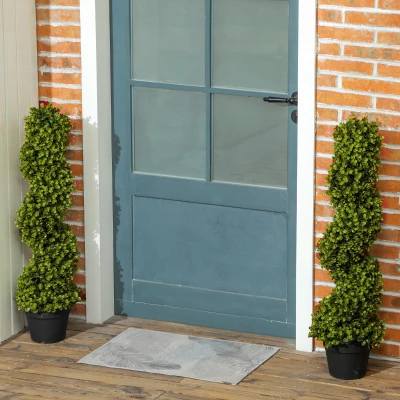
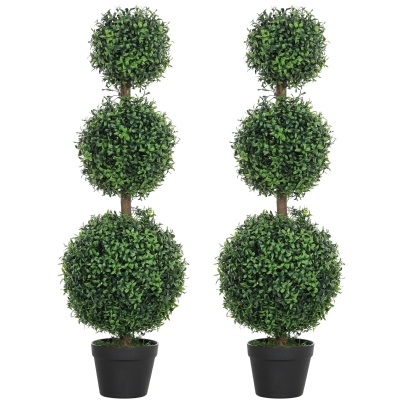
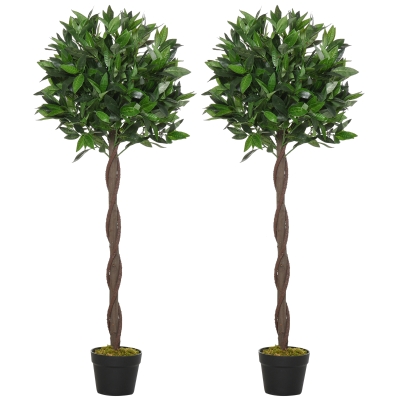
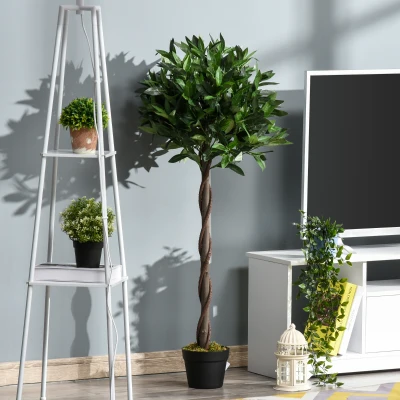
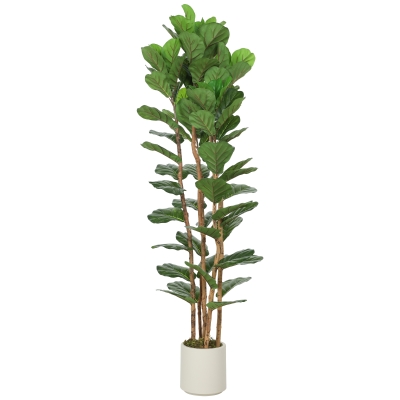
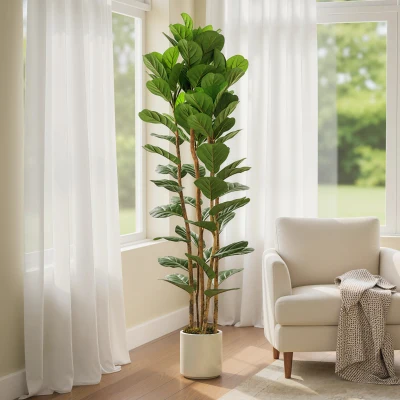
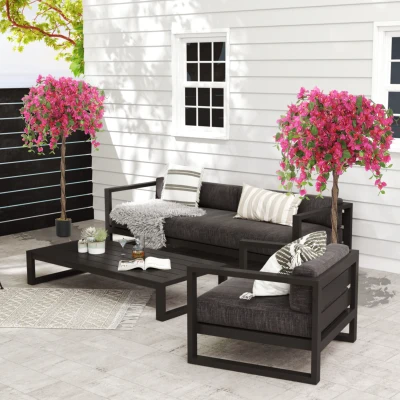
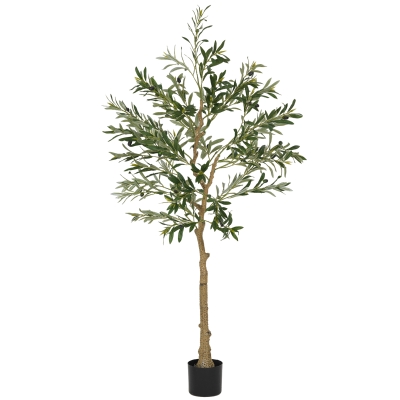
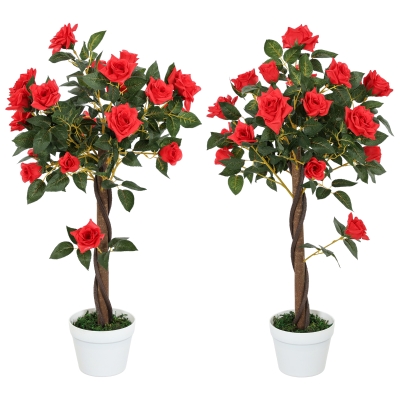
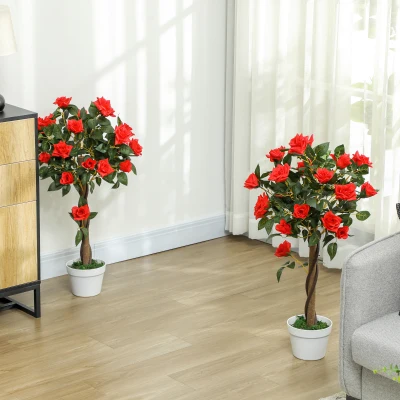
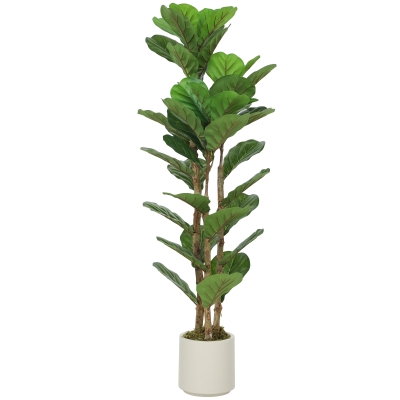
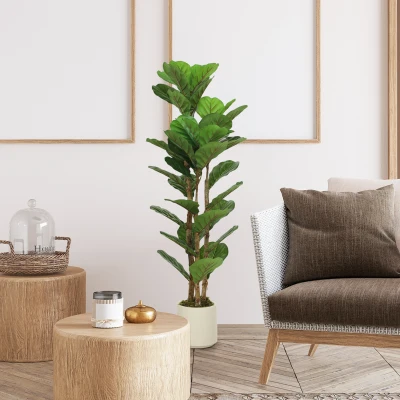
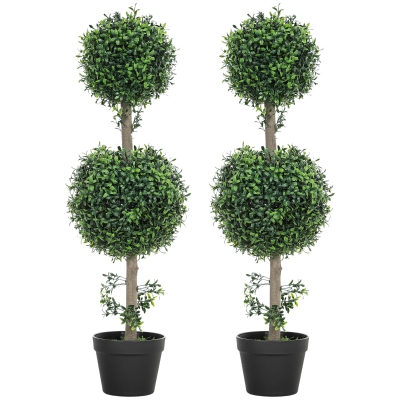
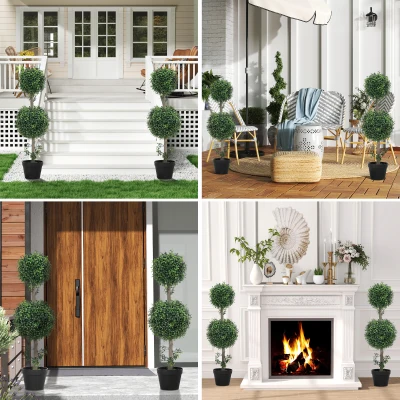
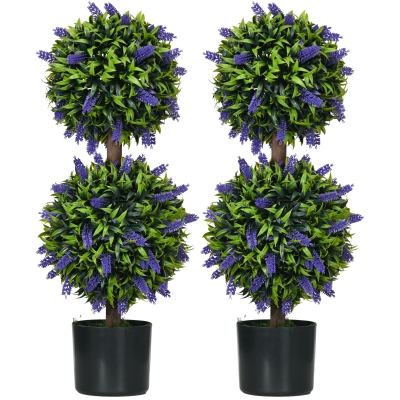
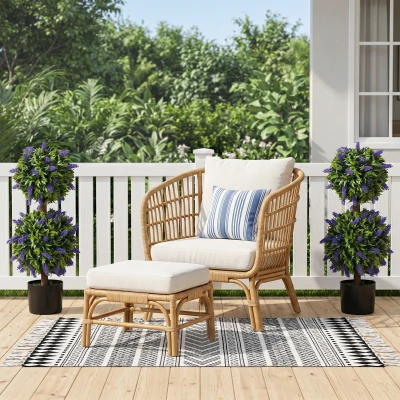
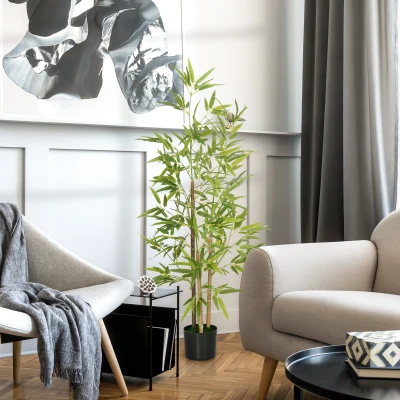
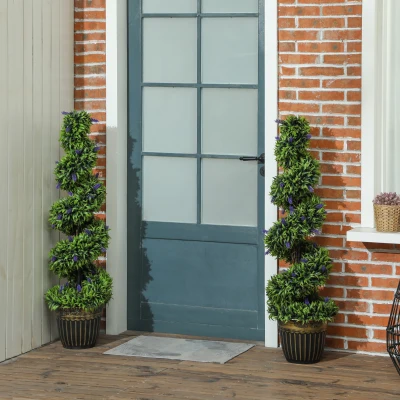
Not all artificial plants work well everywhere. For living rooms and offices, broad‑leaf trees such as ficus, fiddle leaf fig, or artificial banana trees create an elegant focal point. The HOMCOM Artificial Ficus 150 cm with 1116 leaves is perfect for filling a tall corner. In hallways or entrances, opt for slimmer shapes: artificial cypresses or spiral topiaries (such as the Outsunny Set of 2 90cm Artificial Bay Laurel Topiary Trees) give a classic, symmetrical look. For balconies, patios, or covered outdoor areas, choose models with UV protection – HOMCOM and Outsunny ranges with a "UV resistant" label withstand direct sun without fading. Artificial palm trees and lemon or olive trees bring a Mediterranean touch to any space.
2. Size: what height is ideal for your room?
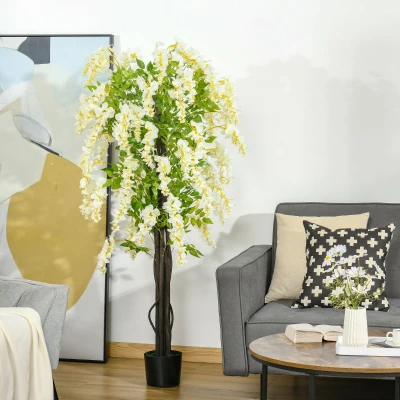
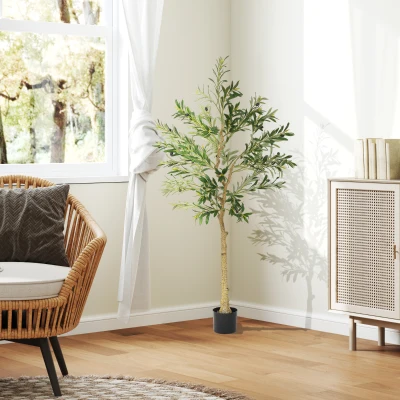
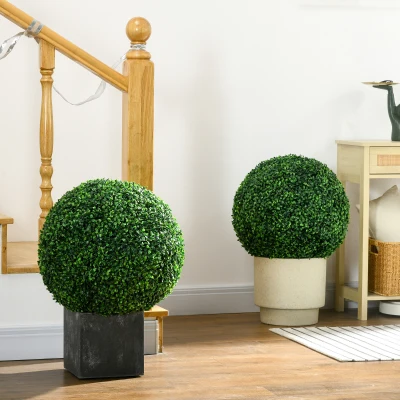
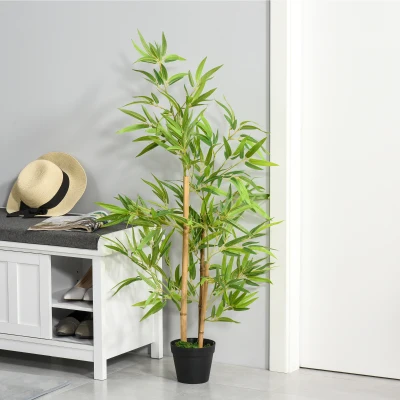
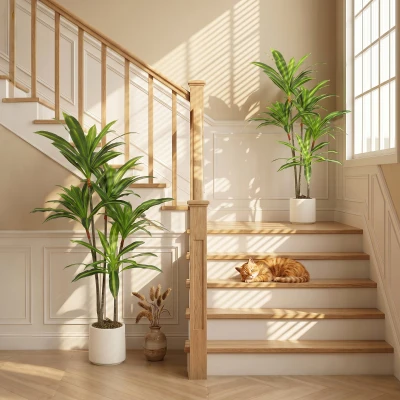
The height of the plant should be proportional to the ceiling height and its purpose. For tables or sideboards, small plants (60‑90 cm) such as ball topiaries or lavender pots are excellent. In room corners, trees between 120‑150 cm (like the HOMCOM Artificial Palm Tree 1.6m) balance the space without overwhelming it. For double‑height ceilings, atriums, or grand entrances, invest in trees above 150 cm – tall palms or 1.80m ficus create instant impact. Remember: in a small room, an oversized tree "eats" the space; in a large room, a short plant gets lost. Always measure your ceiling height and the available floor area.
3. Realism and materials: what to look for
The quality of the leaves, stems, and finishes separates a "plastic" artificial plant from one that fools the eye. Prefer models with silk leaves or high‑definition polyethylene – they have more natural texture, veins, and colour variations. Internal structures with trunks covered in natural bark or resin imitate real wood. The fruits (olives, lemons, flowers) should be hand‑painted and have a matt finish. Also check the type of pot: many models already come with a cement pot, plastic with a ceramic effect, or natural fibre basket that integrates into your décor without needing to repot. For outdoor use, make sure the pot has drainage holes (even if unnecessary, it prevents rainwater buildup) and that the leaves are resistant to UV rays and humidity.
4. Sets and harmonisation: create compositions with multiple plants
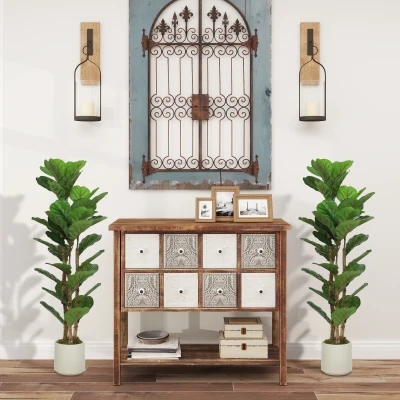
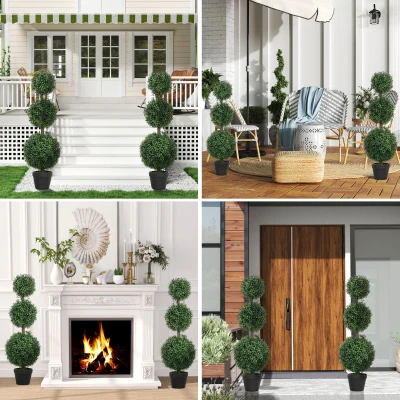
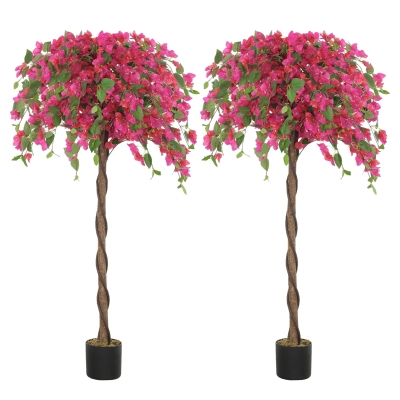
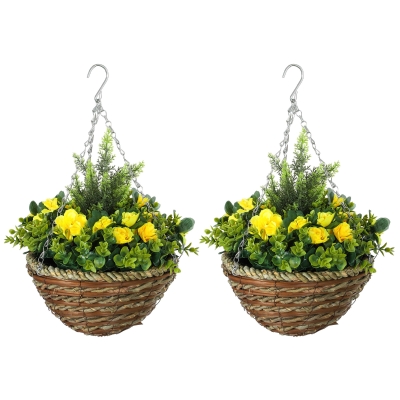
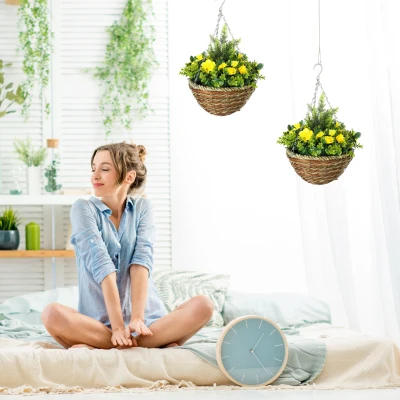
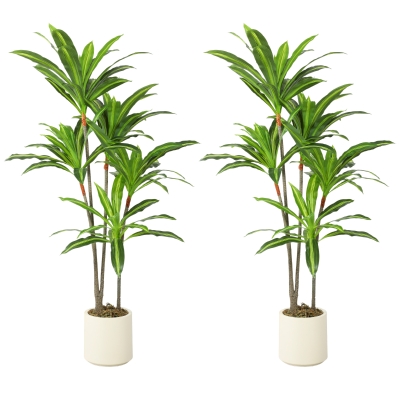
A single artificial tree can look isolated. The current trend is to use sets of 2 or more plants in complementary heights and shapes. For example, a pair of cypresses or spiral topiaries flanking a door or fireplace creates classic symmetry. For a more organic look, combine a tall palm with a small‑leaf ficus and a lavender bush in a pot – all with the same pot finish (e.g., terracotta or grey). The sets of 2 plants from HOMCOM and Outsunny are ideal for those who don't want to worry about composition: they come with combined heights and coordinated pots.
5. Maintenance: why "zero maintenance" does not mean "neglect"
Despite not needing water or light, artificial plants accumulate dust. To maintain realism, clean them every 2‑4 weeks: use a feather duster or compressed air for large leaves; for small, delicate leaves, wipe with a slightly damp microfiber cloth (without soaking). On trunks and pots, use a soft cloth with water and mild soap. Avoid abrasive products or those with silicone – they leave shiny residues that give away the fake. Once a year, you can take the plant outside and give it a gentle hose wash (if it's a UV‑resistant model), letting it dry in the shade before placing it back.
FAQ
Do artificial plants fade in the sun? Can I place them on a balcony or in the garden?
Not all of them. Plants labelled as UV resistant – like most HOMCOM and Outsunny outdoor models – withstand direct sunlight without losing colour or becoming brittle for 1‑2 years (depending on sun intensity). For covered balconies or patios with partial shade, any decent‑quality artificial plant will hold up well. Important: even UV‑resistant ones should not be exposed to extreme frost or strong winds that might knock over the pot. If you live in a region with harsh winters, bring the plants indoors or cover them during the cold months. For fully open locations, check the product sheet for minimum temperature and UV resistance – values of 400‑800 hours of accelerated UV exposure are a good indicator.
How can I prevent artificial plants from looking "fake" and plastic‑like?
The secret is in the details. Choose models with leaves that have marked veins, colour variations (dark green at the base, lighter at the tips), and stems that are not perfectly straight. Fiddle leaf figs and olive trees are especially realistic because their leaves have irregular shapes. Another tip: mix artificial plants with some real ones – a real fern next to a fake palm can fool anyone. Finally, replace the original pot with a clay, fibre basket, or textured ceramic one – the pot is often the "culprit" that gives away artificiality. Add a layer of moss or pebbles over the fake soil for a polished finish.
Are artificial plants safe for homes with children and pets?
Yes, for the most part. Unlike real plants that can be toxic (such as lilies, monstera, or dieffenbachia), artificial plants do not release sap, have no thorns, and do not cause poisoning. However, you need to be careful with small parts that might detach (glued fruits, flowers, plastic leaves that come loose) – they pose a choking hazard for very young children and a risk of intestinal obstruction for animals that chew objects. Choose models with securely attached leaves and fruits, and always supervise the first few days of adaptation. If your pet tends to chew everything, opt for trees with fabric leaves (silk) instead of hard plastic – they are less attractive and softer.