

















How to Choose the Right Automatic Pet Feeder for Your Cat or Dog
An automatic pet feeder can be a game-changer for busy owners, frequent travellers, or anyone managing a pet with strict dietary needs. But not all feeders are built the same. Some offer simple timed dispensing, while others connect to WiFi, stream video, and let you talk to your pet from another city. Choosing the right one comes down to three things: your daily routine, your pet's feeding habits, and how much control you want from your phone. This guide breaks down the key features, compares the main types, and helps you match a feeder to your lifestyle.
1. Start with Your Daily Routine – Do You Actually Need a Feeder?
Before comparing specs, answer these three questions honestly. They will point you toward the right tier of feeder.
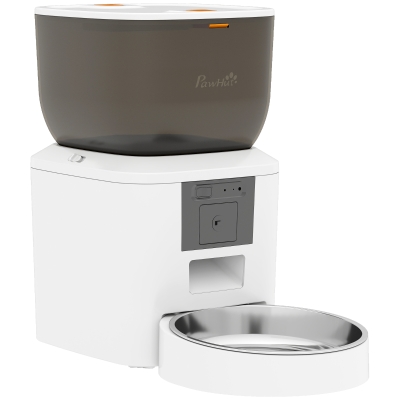
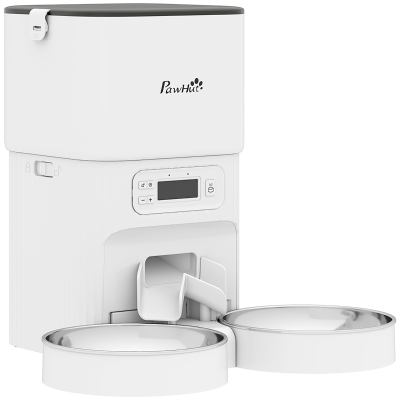
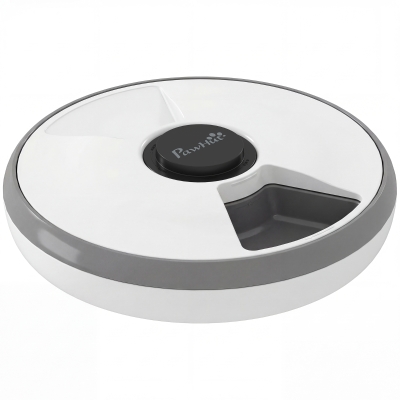
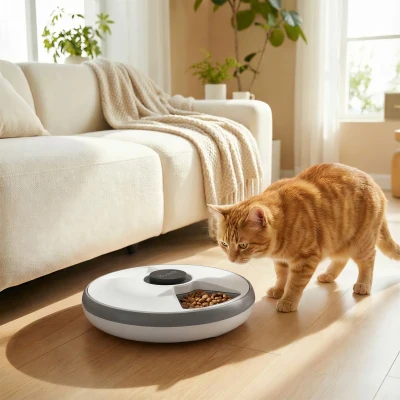
- Are you away from home for more than 8 hours regularly? If yes, a programmable feeder ensures your pet is fed on time, even when you are stuck at work or in traffic. Basic models like the PawHut Programmable Automatic Cat Feeder with Timer dispense up to 6 meals per day, giving you flexibility without needing an app.
- Does your pet overeat or need strict portion control? Automatic feeders with portion control eliminate begging and inconsistent serving sizes. This is especially important for pets on vet-prescribed diets or those prone to obesity.
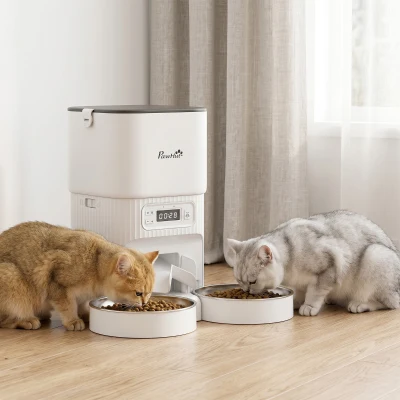
- Do you have multiple pets with different schedules? Multi-pet homes need either a feeder with a split bowl or separate units. The PawHut Automatic Cat Feeder for 2 Cats with HD Camera is designed for two cats, though behavioural training may still be needed to prevent one cat from eating the other's share.
If you answered yes to any of these, an automatic feeder is worth serious consideration. Now let's look at the features that separate a reliable feeder from a frustrating one.
2. Key Features That Matter – Programming, Portions, Power, and Freshness
Once you decide to buy, focus on these five areas. They determine how well the feeder works day after day.
Programming and Meal Scheduling
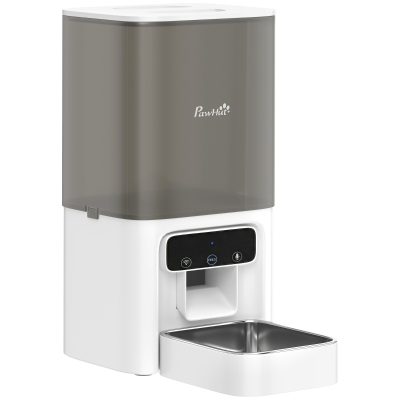
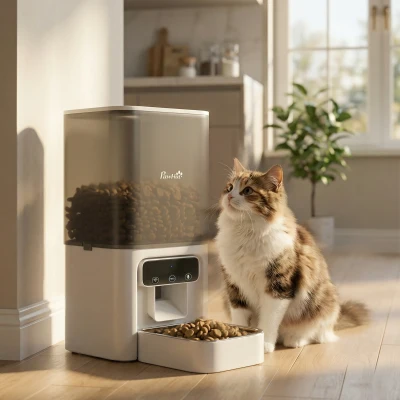
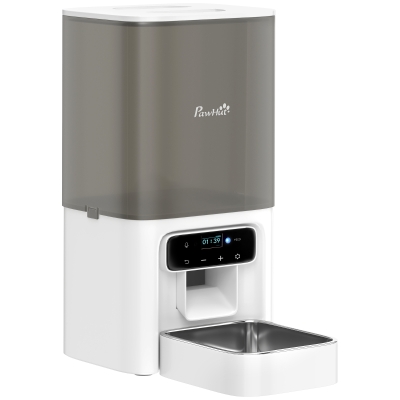
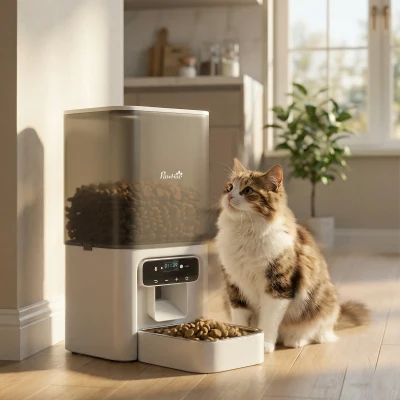
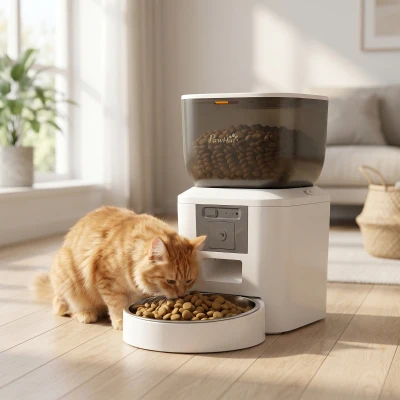
Look for a feeder that lets you set at least 4–6 meals per day, with adjustable portion sizes. The PawHut Automatic Cat Feeder, 4.5L WiFi Cat Food Dispenser with Timer supports up to 10 meals per day and programmable portions, which is useful for cats that need small, frequent meals. An LED display or app interface should make scheduling straightforward without a manual.
Portion Control and Food Type
Almost all automatic feeders are designed for dry kibble only. Wet or semi-moist food can jam the dispenser and spoil quickly in an unsealed hopper. If your pet needs wet food, use the feeder for dry meals and feed wet food manually. For dry kibble, check that the portion range suits your pet's size—a large dog needs much larger portions than a cat. The PawHut 6L capacity feeders are better suited to medium and large dogs, while 3–4.5L models work well for cats and small dogs.
Power Backup and Connectivity
Power outages and WiFi drops are the most overlooked risks. Basic programmable feeders often run on batteries alone, making them independent of wall outlets. WiFi-enabled models like the PawHut Automatic Cat Feeder with Camera, 2.4G WiFi, APP Control 4L plug into mains power but include a battery backup slot. During an outage, scheduled meals still dispense, but remote monitoring and app control stop until WiFi returns. Always keep fresh backup batteries installed, even if you use mains power.
Food Freshness and Hygiene
Dry kibble can go stale or mouldy in humid conditions. Look for sealed hoppers and detachable parts that are easy to clean. The PawHut Automatic Feeder with Cool Pack includes a dedicated compartment for an ice pack, keeping kibble cooler and fresher during summer. Stainless steel bowls are dishwasher-safe and resist bacterial buildup better than plastic. If your pet is a fast eater, consider pairing the feeder with a slow feeder bowl to promote healthier eating habits.
Voice Recording and Camera Monitoring
A 10-second voice recorder, found on models like the PawHut Programmable Automatic Cat Feeder, lets you call your pet to eat in your own voice, reducing anxiety around automated feeding. At the premium end, the PawHut Automatic Cat Feeder with Camera adds HD video, two-way audio, and push notifications. This is valuable for new pet parents, pets with medical needs, or anyone who simply misses their pet while away.
3. Comparison Table: Basic vs. WiFi vs. Camera Feeders
The table below summarises the main differences between the three tiers of automatic feeders.
| Feature | Basic Programmable | WiFi with App Control | WiFi with Camera & Two-Way Audio |
|---|---|---|---|
| Meal Scheduling | Up to 6 meals/day | Up to 10 meals/day | Up to 10 meals/day |
| Portion Control | Adjustable portions | Precise portions via app | Precise portions via app |
| Connectivity | None (battery only) | 2.4G WiFi + app | 2.4G WiFi + app |
| Voice Recorder | Sometimes (10s) | Often included | Included + two-way audio |
| Camera | No | No | HD camera + night vision |
| Power Backup | Battery primary | Mains + battery backup | Mains + battery backup |
| Best For | Simple schedules, budget buyers | Remote control, busy owners | Monitoring, medical needs, travel |
4. Matching the Feeder to Your Pet and Home
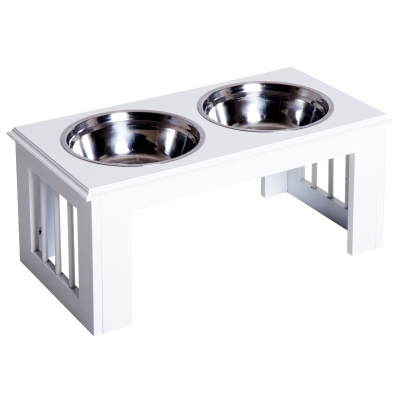
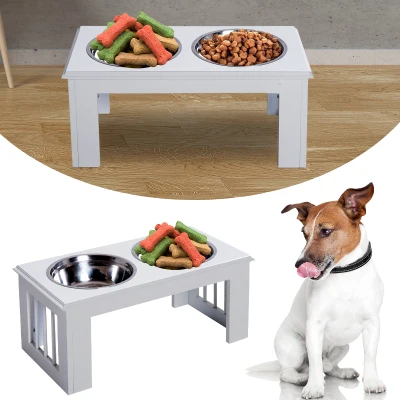
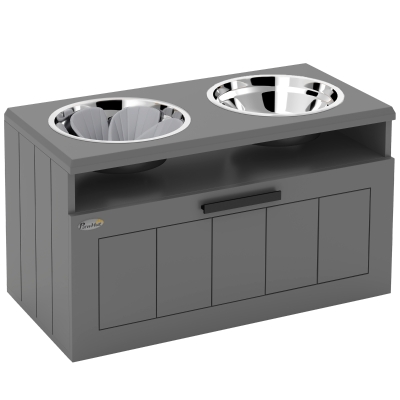
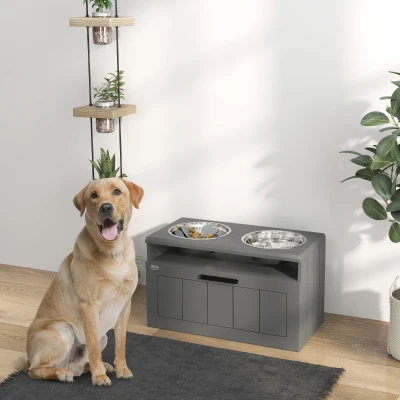
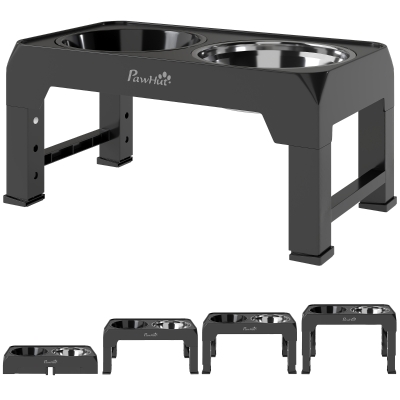
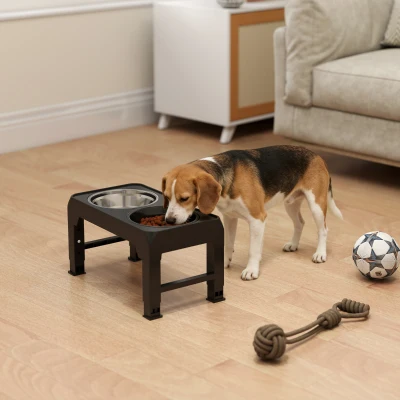
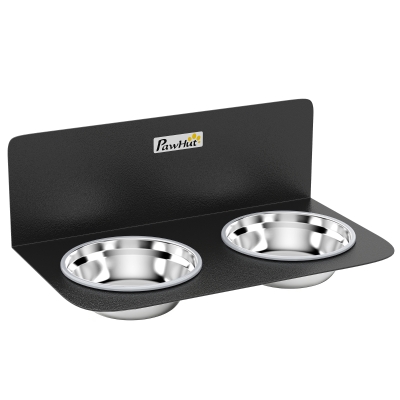
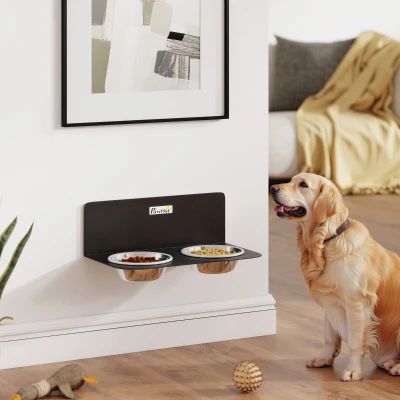
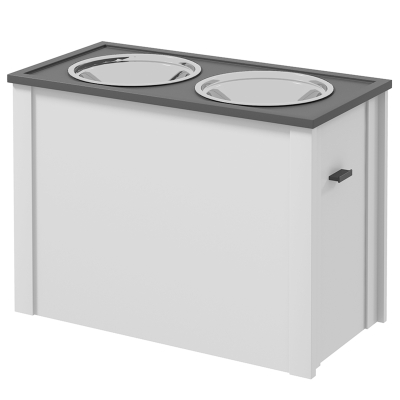
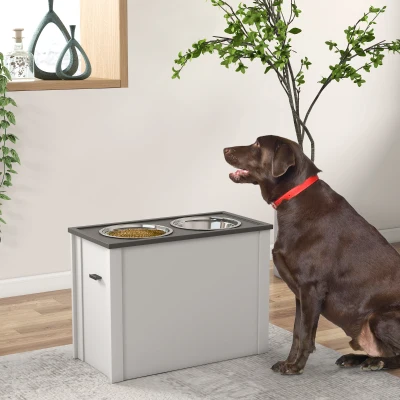
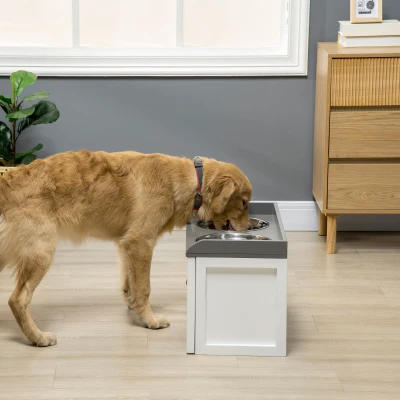
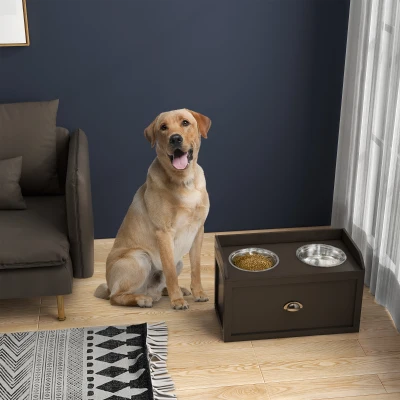
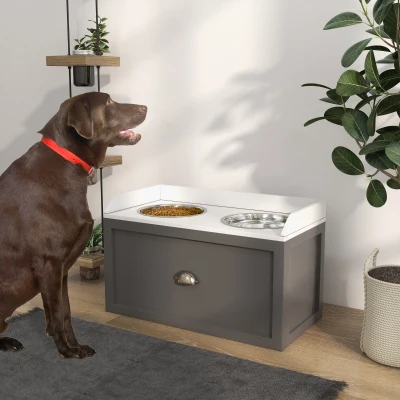
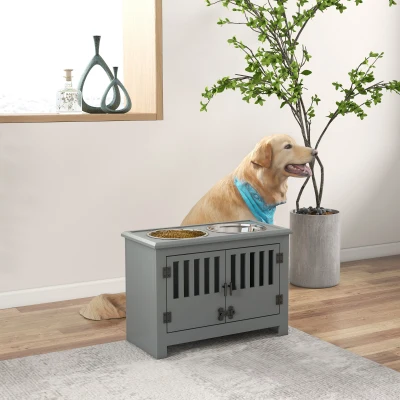
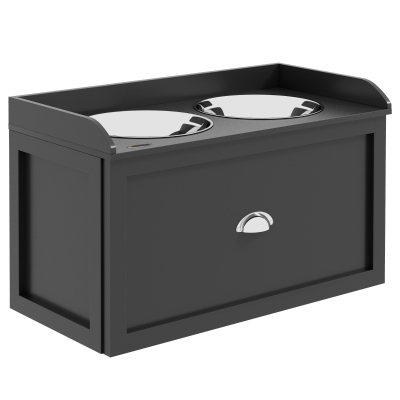
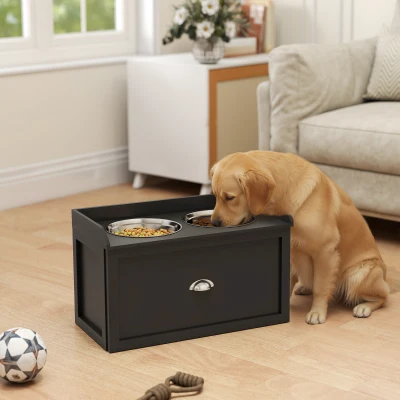
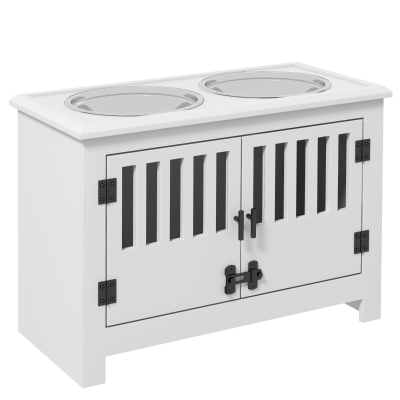
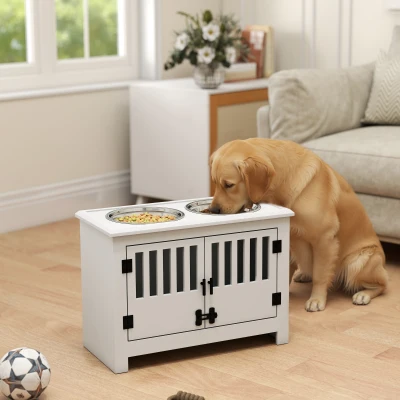
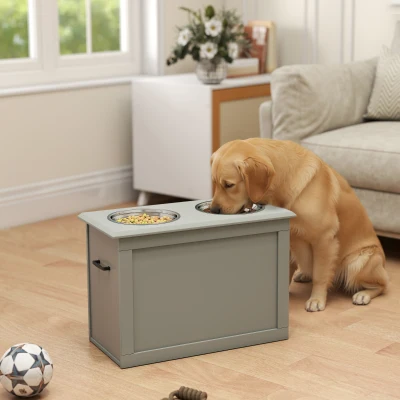
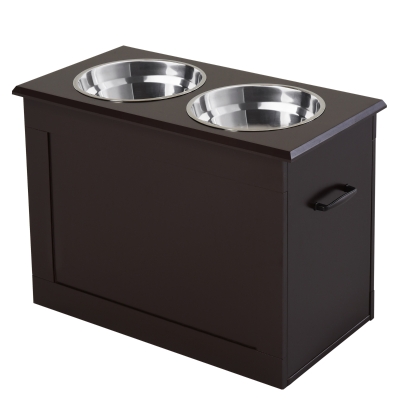
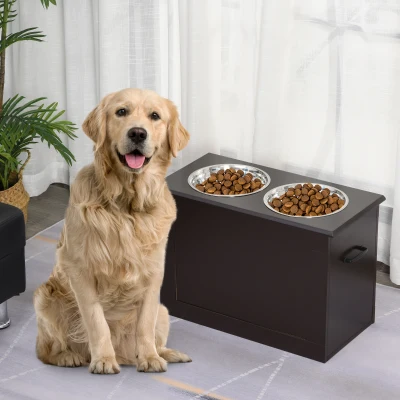
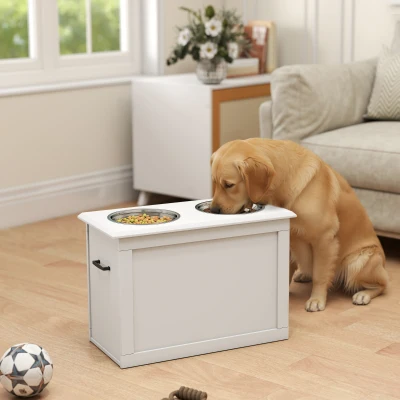
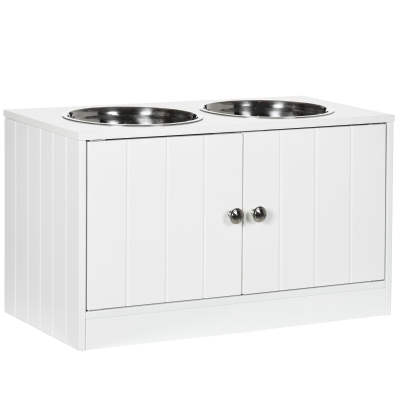
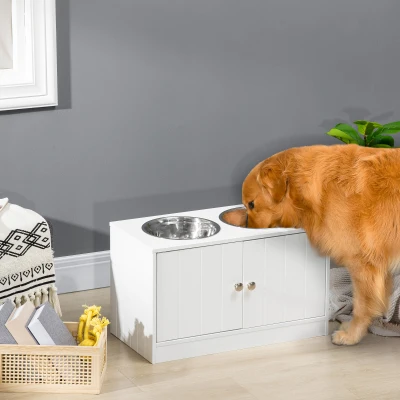
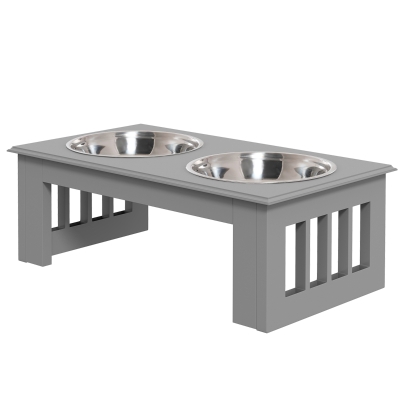
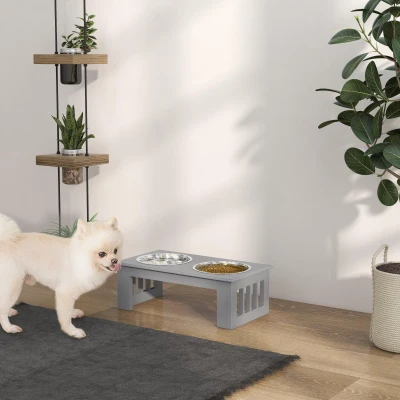
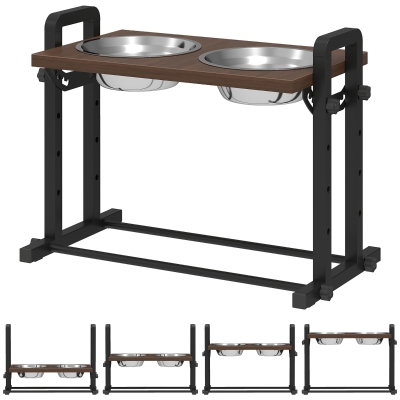
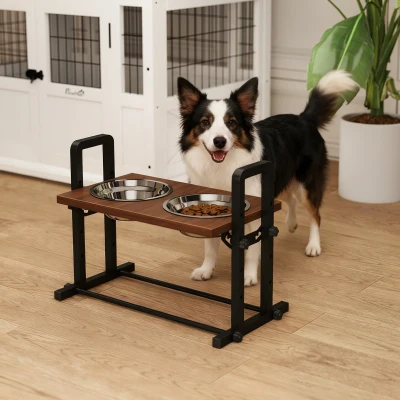
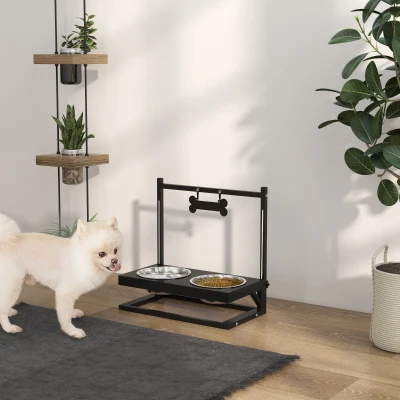
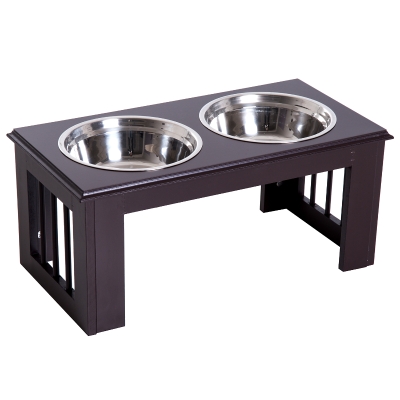
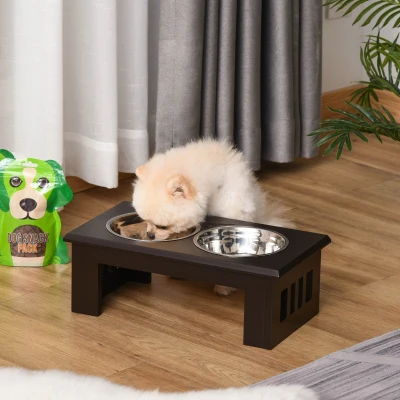
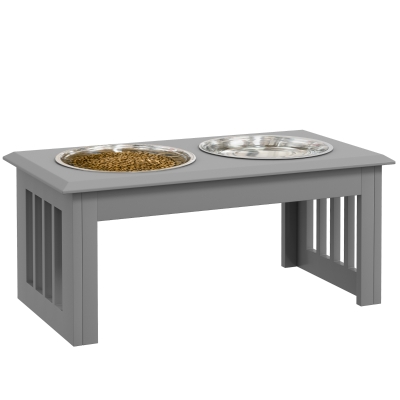
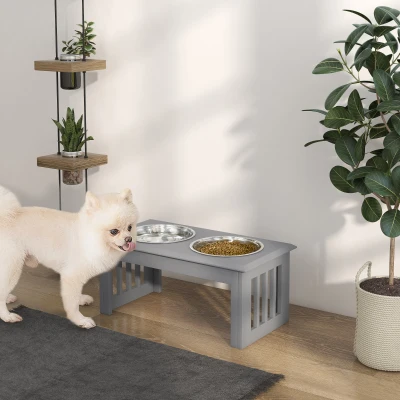
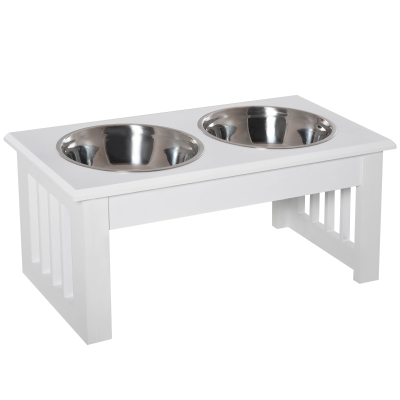
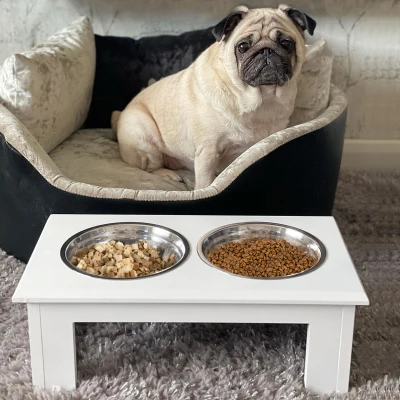
Capacity and bowl design matter as much as tech features. A 4.5L hopper is ideal for one cat or small dog and needs refilling every 1–2 weeks. A 6L model suits medium dogs or multi-cat homes. If you have a large dog, consider a feeder with a higher dispensing height or pair it with a raised dog bowl station to reduce neck strain. For cats, a quiet dispenser is important—some models are nearly silent, while others grind loudly and scare skittish pets.
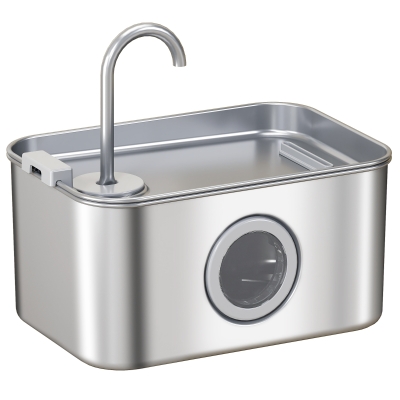
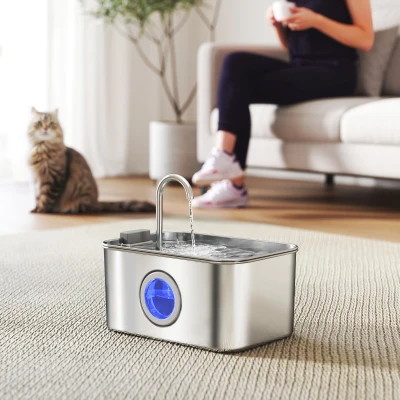
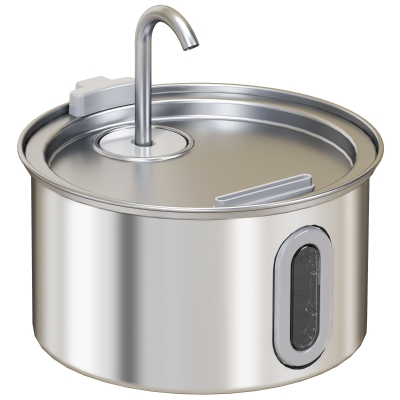
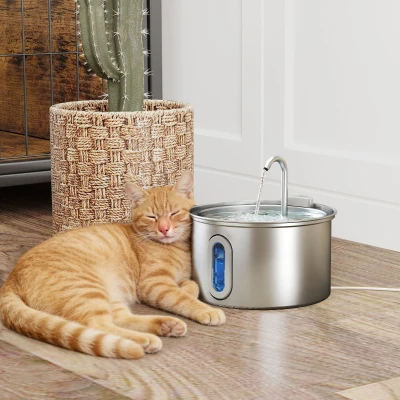
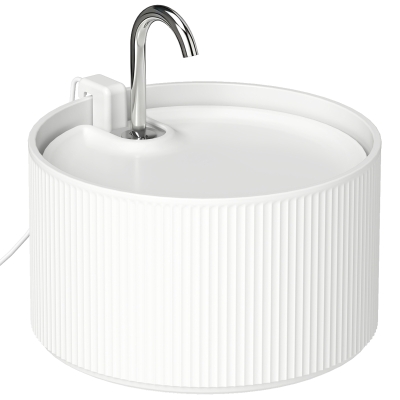
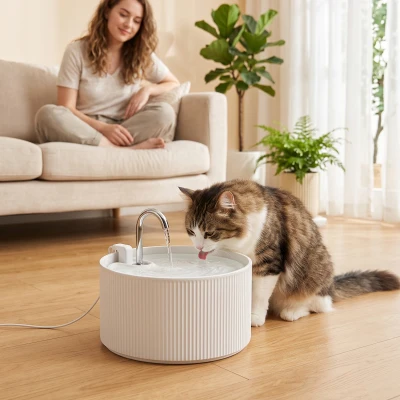
Hydration is another factor. Many owners who buy an automatic feeder also add a cat water fountain to encourage drinking. The PawHut 3.2L Cat Water Fountain with stainless steel top and visible water-level window is a common pairing. If you want to browse all feeding solutions in one place, start with our full range of automatic pet feeders.
FAQ
1. What happens if the power goes out or my WiFi disconnects? Will my pet still be fed?
It depends on the model. Basic programmable feeders usually run on batteries alone, so they keep dispensing meals exactly as scheduled, even without power or internet. WiFi-enabled models like the PawHut Automatic Cat Feeder with Camera plug into mains power but include a battery backup slot. During an outage, the feeder switches to battery power and continues the pre-programmed schedule. However, remote monitoring, camera access, and app control will not work until WiFi is restored. Always keep fresh spare batteries in the backup compartment—even if you normally use mains power. This simple step ensures your pet is never missed during a power cut.
2. Can the automatic feeder work with wet or semi-moist food, or only dry kibble?
Almost all automatic pet feeders are designed exclusively for dry kibble. The rotating dispenser or auger can jam with wet or semi-moist food, and the hopper is not sealed against moisture—wet food spoils quickly and can grow bacteria. If your pet needs wet food, use a combination approach: automatic feeder for dry meals (breakfast and lunch) and manual feeding for wet food at dinner. For models with a cool pack compartment, like the PawHut Automatic Feeder with Cool Pack, you can place an ice pack under the hopper to keep dry kibble fresher for longer, but never put wet food inside the hopper itself.
3. How do I prevent food from getting stuck or clogged in the dispenser mechanism?
Blockages are one of the most common frustrations. To minimise them, follow these practical steps: First, choose the right kibble size. Most feeders work best with standard kibble around 8–12mm in diameter. Overly large or irregular pieces, like freeze-dried raw biscuits, are more likely to jam. Second, clean the hopper and dispenser every 2–4 weeks. Empty the hopper, remove the dispenser wheel or auger if detachable, and wash all components with warm soapy water. Dry thoroughly before reassembling—oil residue from kibble builds up and causes sticking. Third, do not overfill the hopper. Fill to about 80% capacity at most. The weight of an overfilled hopper compresses kibble at the bottom, increasing friction and clogging risk. Finally, after cleaning or refilling, run a manual test dispense to confirm the mechanism works smoothly before relying on the schedule.