













Buying Guide: How to Choose the Best Cat House Based on Materials and Weather Resistance
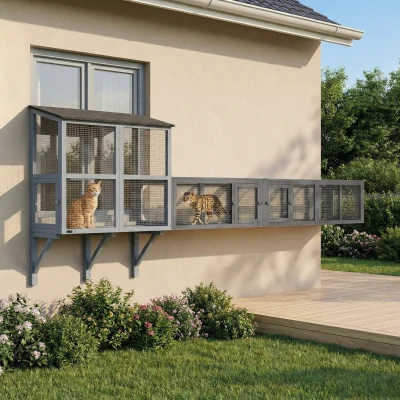
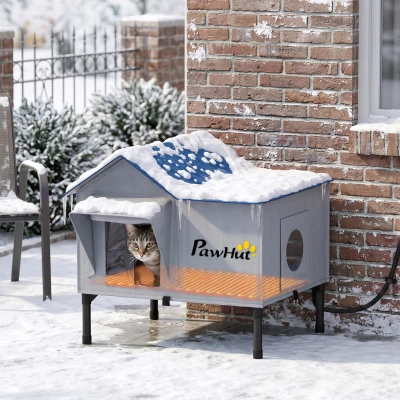
Whether your cat spends most of its time indoors or enjoys exploring the garden, a cat house provides a safe, comfortable space for rest and shelter. However, choosing the right cat house requires careful consideration of materials and weather resistance – especially if it will be placed outdoors. With Ireland's unpredictable climate – frequent rain, coastal winds, and damp conditions – the material and construction of your cat house directly affect how long it will last and how well it protects your feline friend. This guide compares the most common materials used in cat houses to help you make the best choice for your pet and your environment.
1. Wooden Cat Houses: Natural Insulation with Weatherproof Care
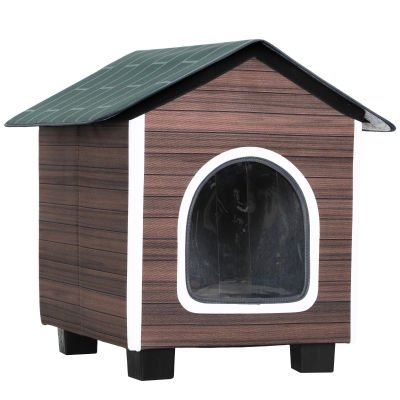
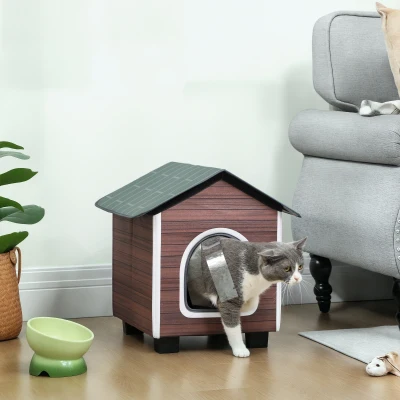
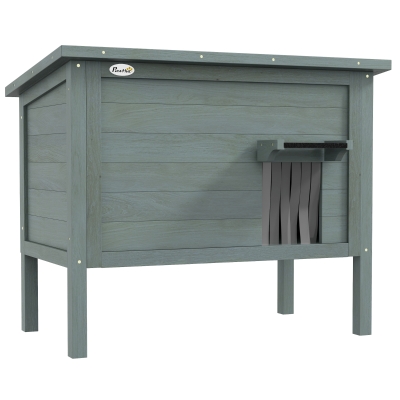
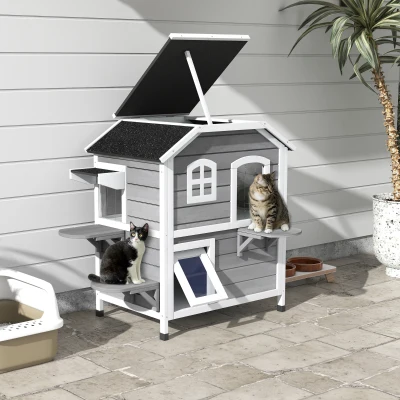
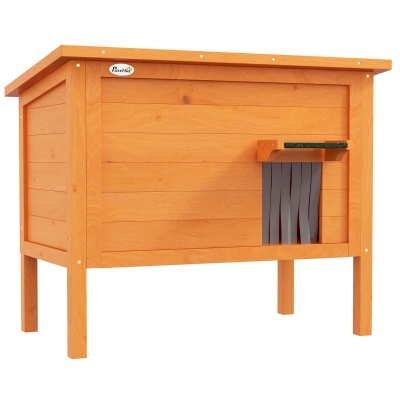
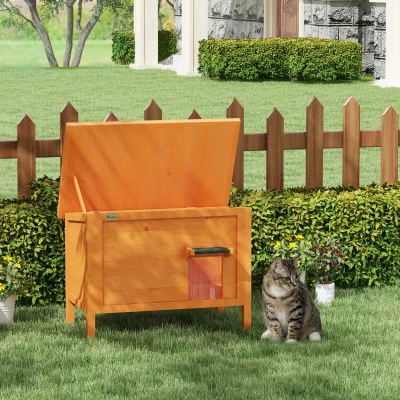
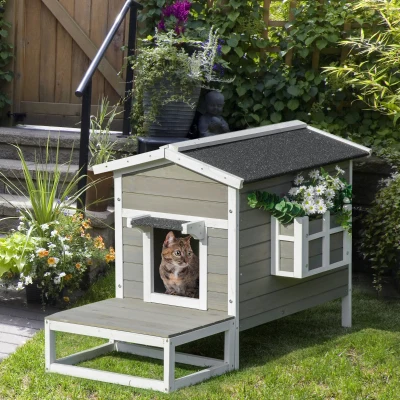
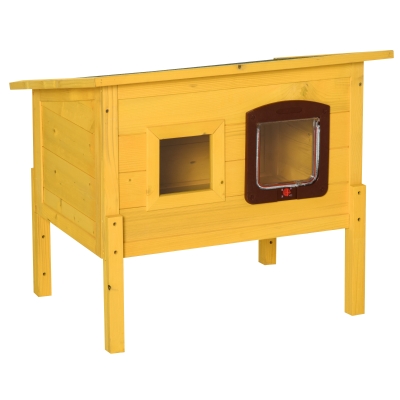
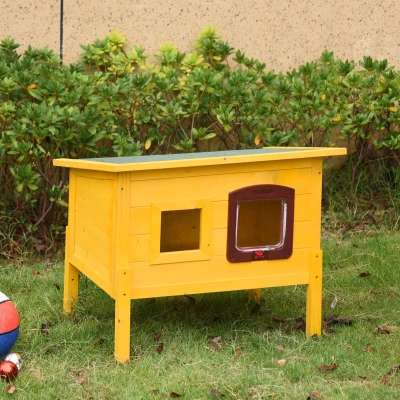
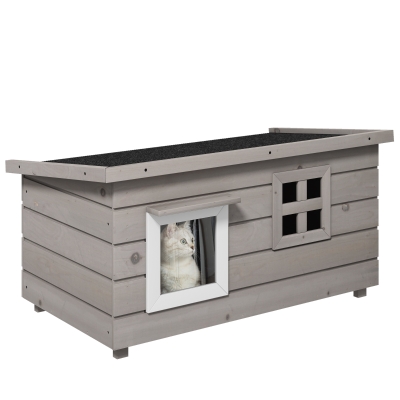
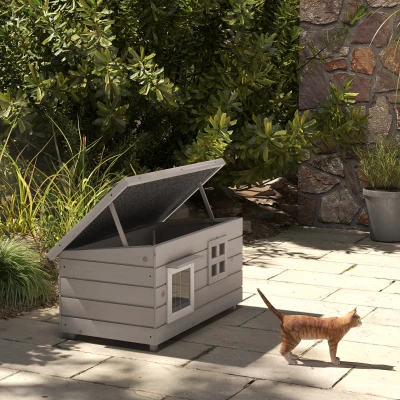
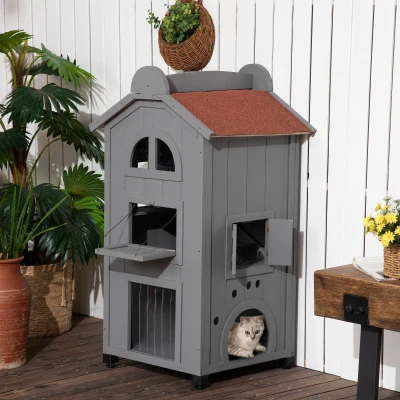
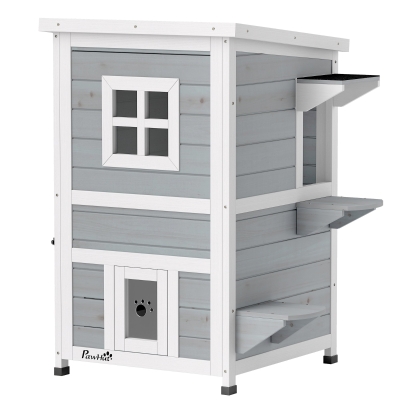
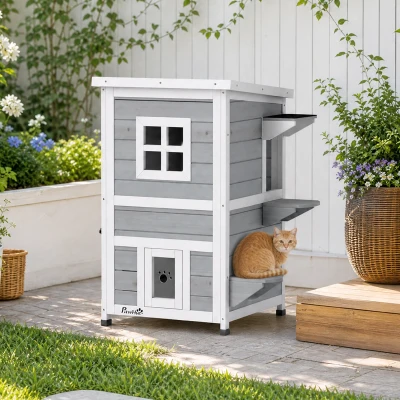
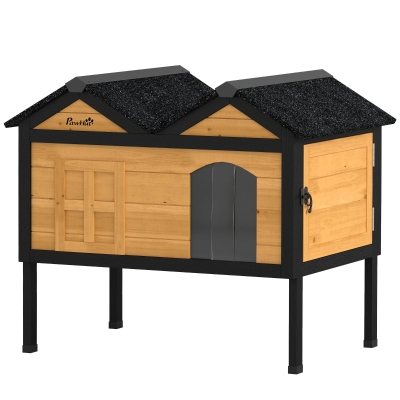
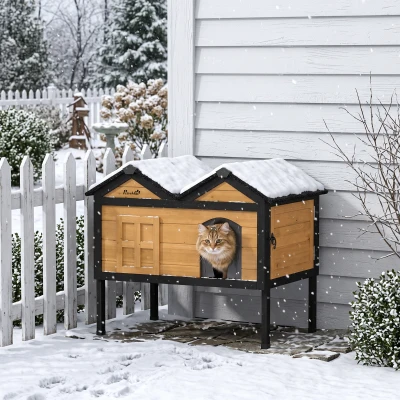
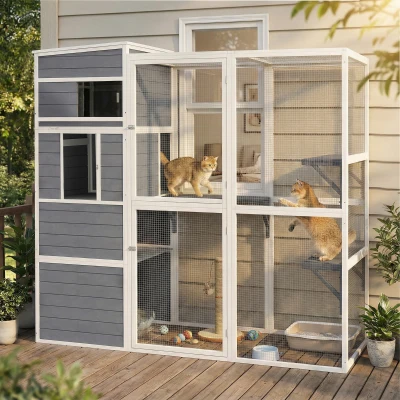
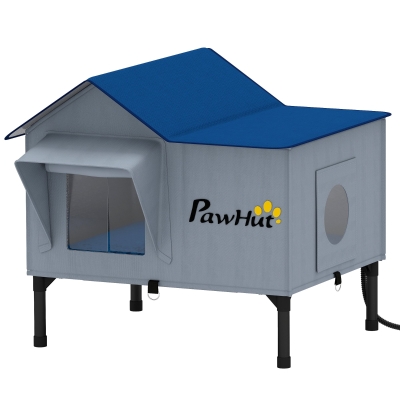
Wooden cat houses are the most popular choice for outdoor use, thanks to their natural insulation and aesthetic appeal. Models like the PawHut Wooden Cat House with Asphalt Roof or the PawHut 2-story Cat House with Escape Door are designed to blend into garden settings while providing a warm, secure shelter.
Key advantages: Wood offers excellent insulation – warm in winter and cool in summer. Solid wood construction provides stability and durability. Many models feature waterproof treatments and asphalt roofs for extra protection.
Key considerations: Wood requires regular maintenance – applying waterproof sealant or wood protector every 6-12 months is essential to prevent rot and warping. For outdoor use, look for weatherproof finishes and water-resistant coatings.
Best for: Gardens, patios, and any outdoor area where the cat house will be exposed to the elements but protected from direct ground moisture.
2. Wicker/Rattan Cat Houses: Lightweight and Breathable
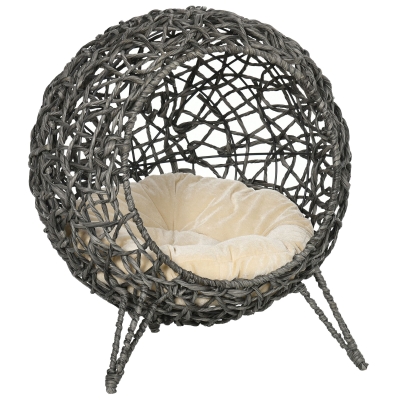
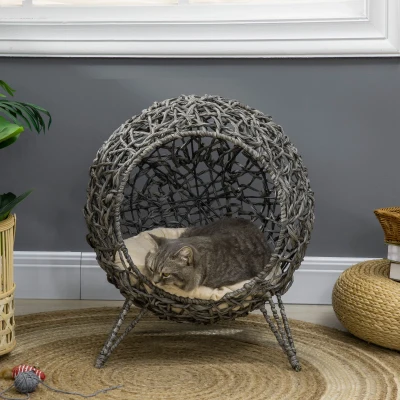
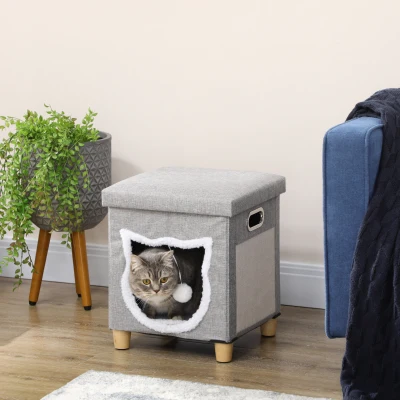
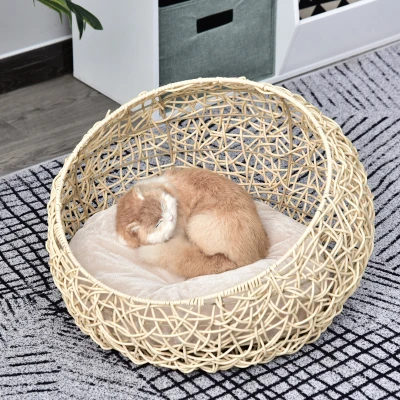
Wicker or rattan cat houses offer a charming, handcrafted look that works beautifully indoors or on covered patios. The PawHut Wicker Cat Bed with Soft Cushion and the PawHut 2-Tier Wicker Cat House are popular examples of this style.
Key advantages: Lightweight and easy to move; natural materials provide breathability and comfort; often come with removable, washable cushions for easy cleaning.
Key considerations: Wicker and rattan are not waterproof – they should be placed under a covered area or used indoors. Prolonged exposure to rain can cause mould and weaken the structure.
Best for: Indoor use, covered porches, or enclosed patios where the cat house is sheltered from rain.
3. Steel/Metal Cat Enclosures: Maximum Security and Durability
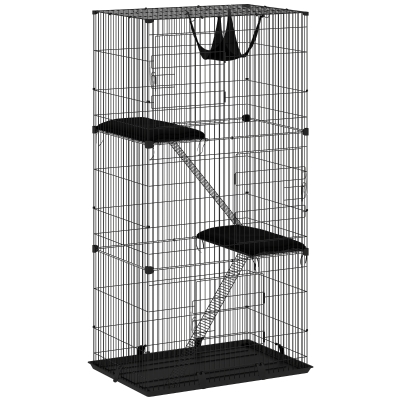
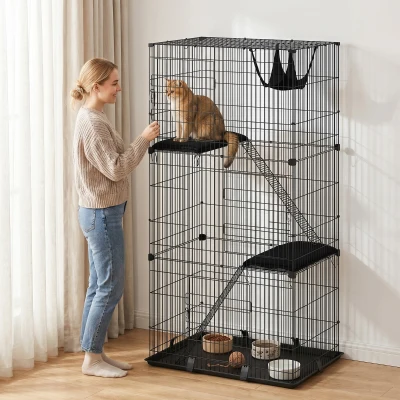
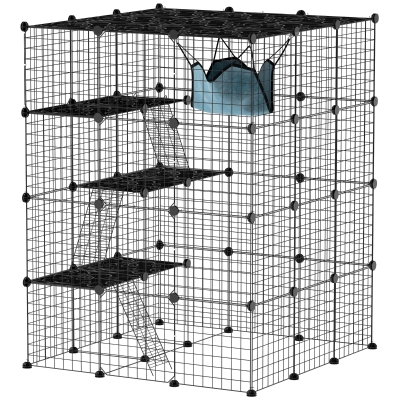
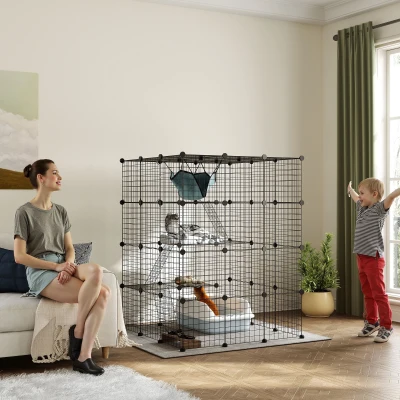
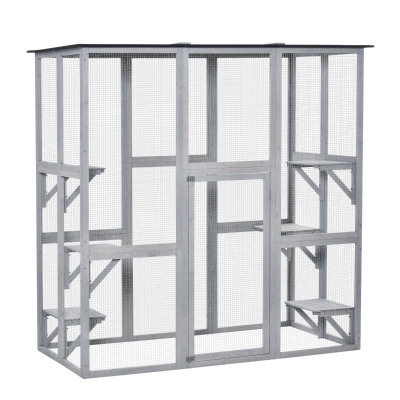
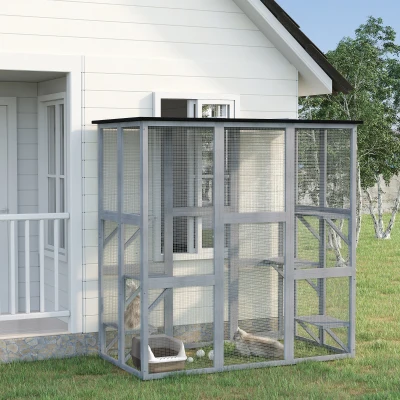
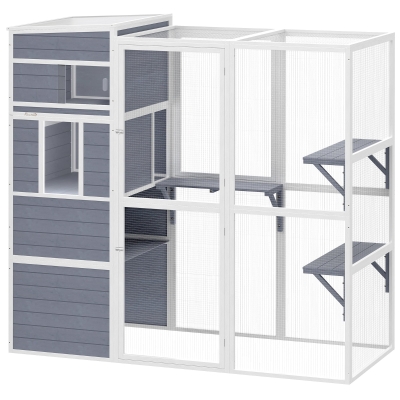
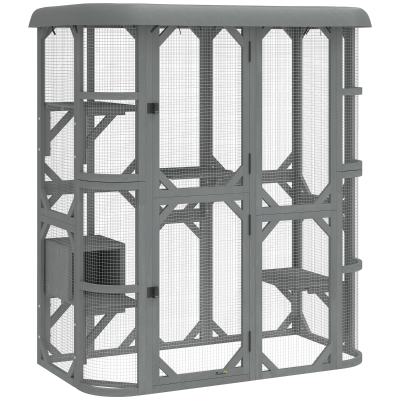
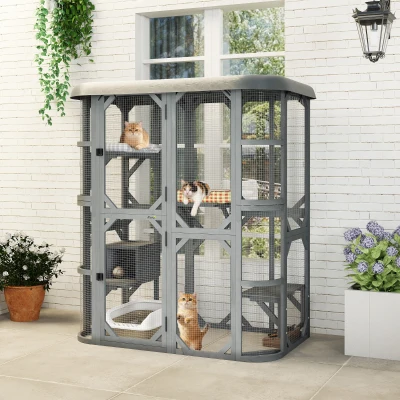
For owners who want a secure, long-lasting cat house that can accommodate multiple cats, steel or metal enclosures are the strongest option. The PawHut Steel Wire Cat Cage Indoor and the PawHut 3-Tier Large Cat Cage are designed for durability and safety.
Key advantages: Extremely durable and resistant to chewing and scratching; rust-resistant coatings protect against moisture; can be used indoors or outdoors; suitable for multiple cats.
Key considerations: Metal cages can feel colder in winter – adding blankets or insulated covers helps. Regular cleaning and occasional rust checks are recommended.
Best for: Multi-cat households, temporary outdoor use, or as a secure space for cats recovering from illness or injury.
4. Material Comparison: Which Cat House Suits Your Climate?
The table below summarises the key differences between the three main cat house materials, helping you match the right one to your environment and lifestyle:
| Material | Weather Resistance | Insulation | Maintenance | Best For |
|---|---|---|---|---|
| Wood (Pine/Spruce) | Good – with asphalt roof & sealant | Excellent | Moderate (seal every 6-12 months) | Outdoor gardens, all-weather use |
| Wicker/Rattan | Low – not waterproof | Moderate | Low (wipe clean, wash cushions) | Indoor/covered areas |
| Steel/Metal | High – rust-resistant coating | Low (requires bedding for warmth) | Low (wipe clean, occasional rust check) | Multi-cat, high-security needs |
5. Features That Improve Weather Resistance
When comparing different cat houses, look for these features that directly affect how well the shelter performs outdoors:
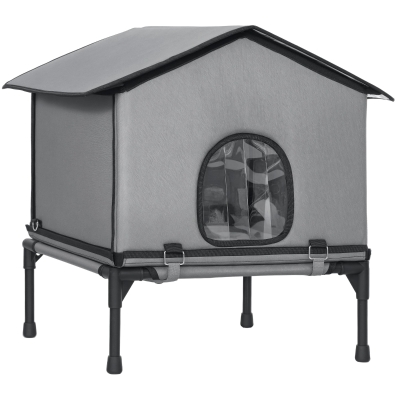
- Asphalt/waterproof roof – essential for wooden cat houses, it prevents rain from soaking into the structure.
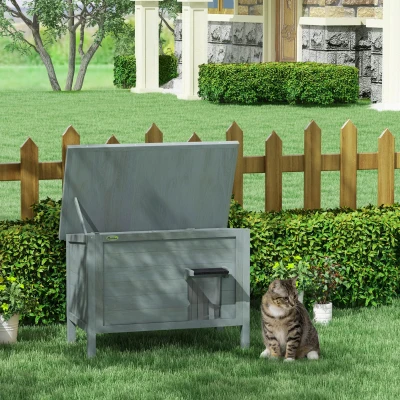
- Openable roof – makes cleaning easier, especially for outdoor cat houses.
- Removable floor – allows access for cleaning and helps prevent moisture damage.
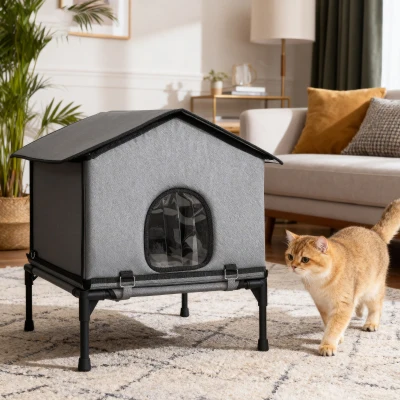
- Elevated base – keeps the cat house off the ground, reducing dampness and improving airflow.
- Escape door – a second exit in case of predators, essential for feral cat shelters.
FAQs
1. Can I leave a wooden cat house outside all year round?
Yes, as long as it is properly treated and has a waterproof roof. Look for models with asphalt roofs and water-resistant coatings. To extend its lifespan, apply a wood protector or sealant annually and check the roof for damage after storms.
2. Are wicker cat houses suitable for outdoor use?
Wicker and rattan cat houses are not weatherproof and should not be left in the rain. They are best suited for indoor use or covered outdoor spaces like porches or enclosed patios.
3. What is the best cat house for a damp garden?
A wooden cat house with an asphalt roof, elevated base, and waterproof treatment is your best option. Ensure the cat house has good ventilation to prevent condensation, and avoid placing it in areas where water pools after rain.