









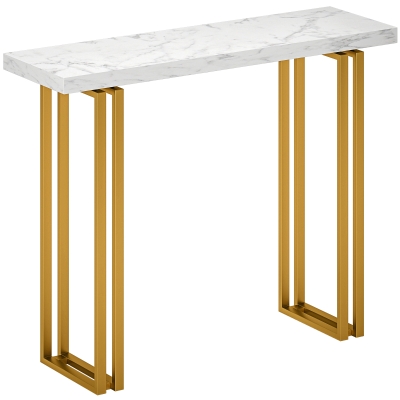
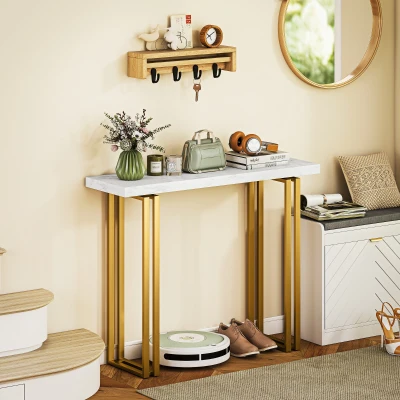
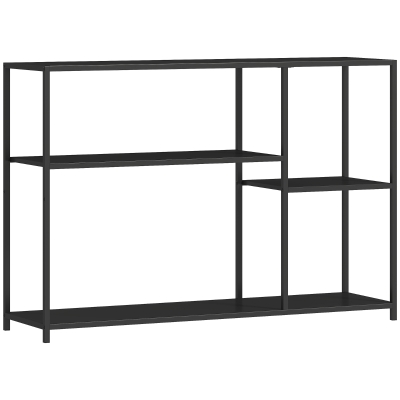

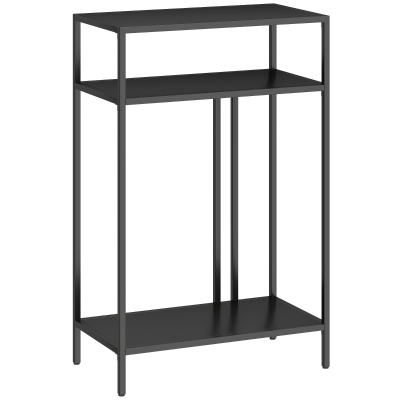







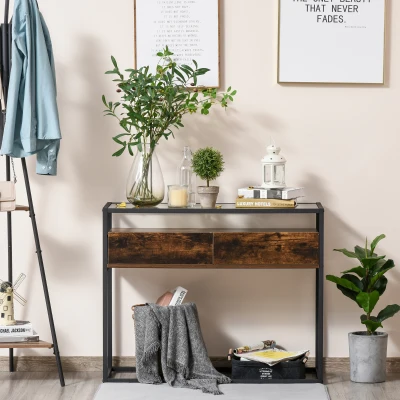

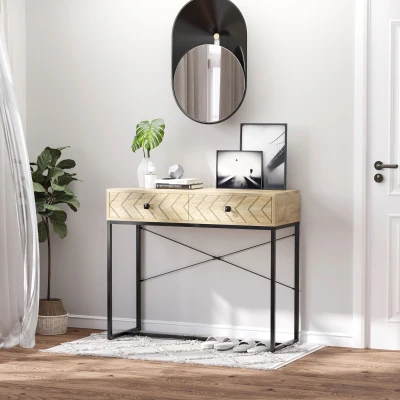

What Size Console Table Fits Your Space? A Room-by-Room Guide
You've found the perfect console table online — the style matches your decor, the color complements your walls, and the price is right. But there's one problem: you're not sure if it will actually fit in your space. Will it block the doorway? Will it look lost against a long wall? Will it be too deep for your narrow hallway?
Choosing the right console table isn't just about style — it's about measurements, proportions, and understanding how the table will interact with your room's layout. In this guide, we'll walk you through different space types and show you exactly what size entryway table works best for each.
Measuring Your Space: Where to Start
Before you even look at specific models, take a moment to measure your space. Three measurements matter most: width, depth, and height clearance. Use these as your starting point and you'll avoid the most common sizing mistakes.
Width: The Horizontal Fit
The width of your console table should be proportional to the wall it sits against. A table that's too narrow can look lost and insignificant; a table that's too wide can overwhelm the space. As a general rule, aim for a table that's about 60-75% of the wall's width. For a wall that's 180cm wide, a table between 110cm and 135cm will look balanced. For a small entryway wall (100cm wide), look for compact models around 55-75cm wide.
Depth: The Space You Walk Past
Depth is arguably the most important measurement for hallway console tables, because it affects how much room you have to walk past. If your table is too deep, it becomes an obstacle rather than an accent piece. For narrow corridors and hallways, choose a table with a depth of 24-32 cm. These slim console tables provide a place to display items without blocking foot traffic. For more spacious rooms, depths of 30-40 cm are standard and offer more surface area for display and storage.
Height: Matching the Room's Flow
The height of your console table should be comfortable for the space. Most standard entryway tables are between 75-87 cm tall, which aligns well with the average waist height and works beautifully for placing keys, mail, and decorative items. If you're placing the table behind a sofa, make sure the table is slightly lower than or level with the sofa back — otherwise, it will stick out awkwardly.
Narrow Hallways and Corridors: The Slim Solution
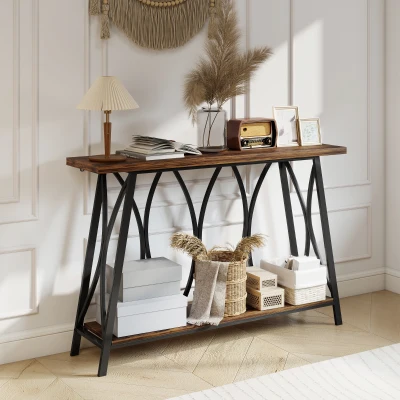
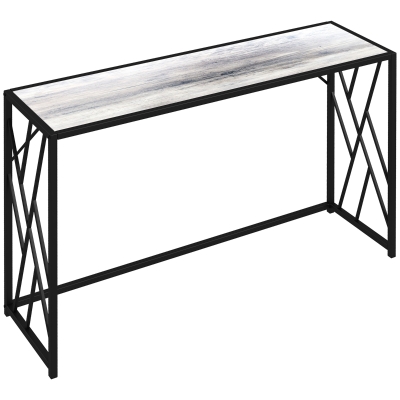
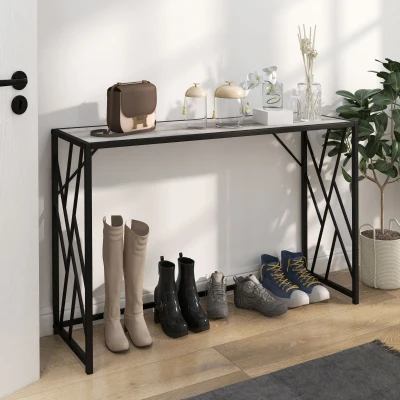
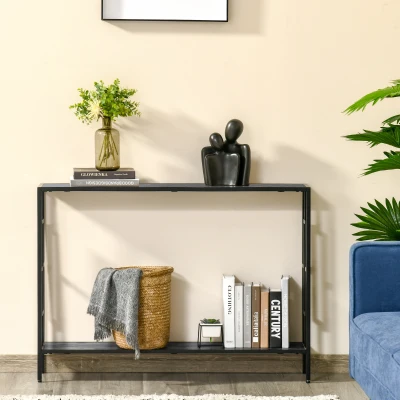
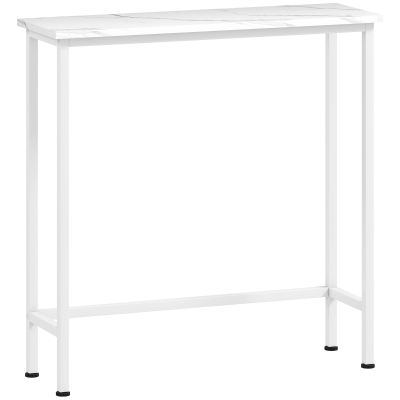
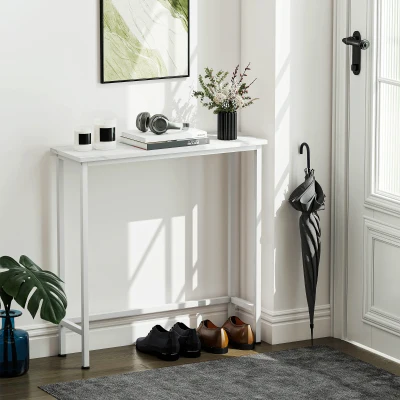
Narrow hallways are the most common challenge when choosing a hallway table. You want a piece that adds style and function without turning your corridor into an obstacle course. The solution is a slim console table with a depth of 24-30 cm.
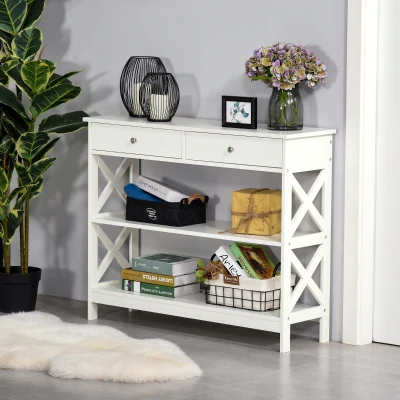
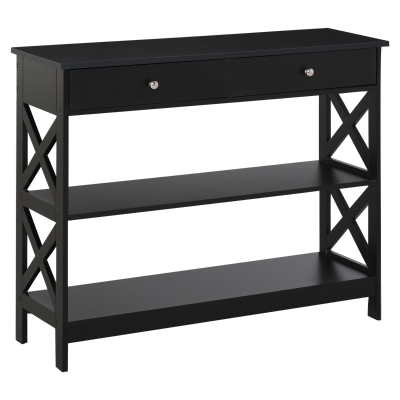
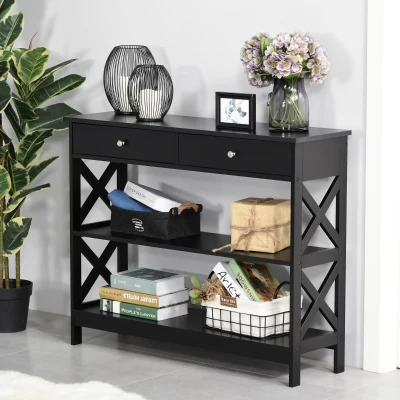
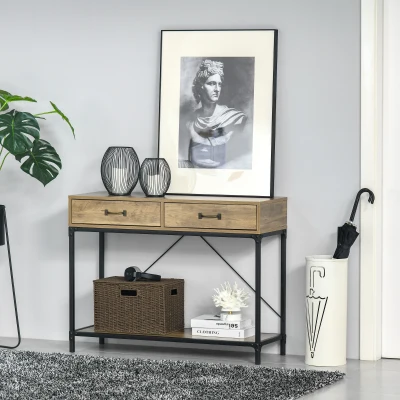
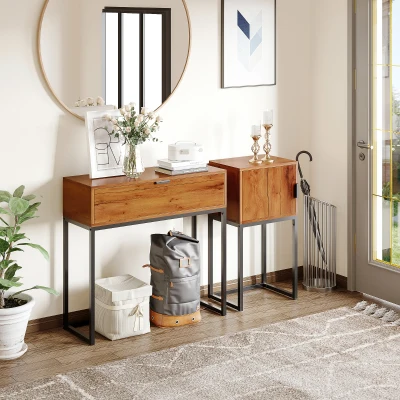
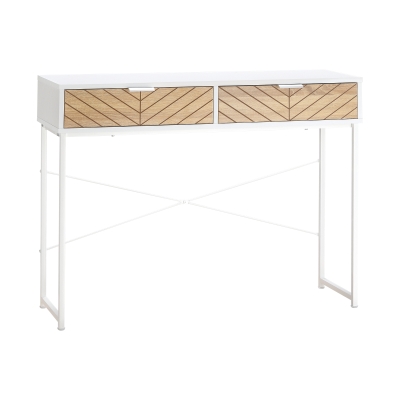
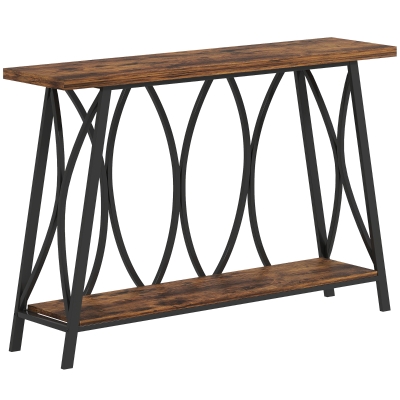
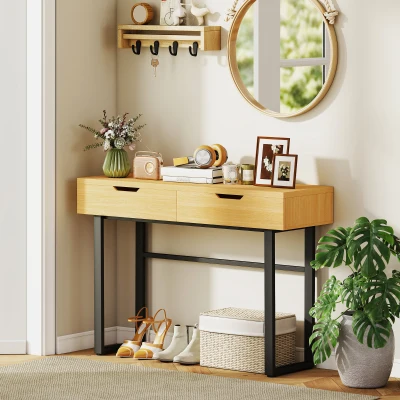
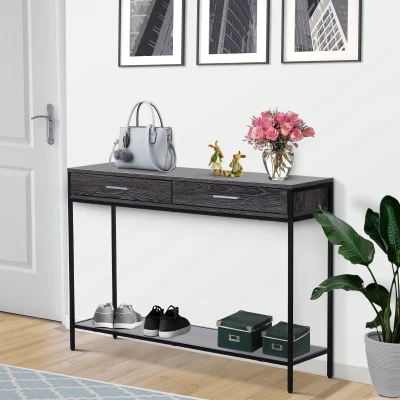
These ultra-thin designs sit flush against the wall, leaving you plenty of walking space. Many narrow console tables still pack in great features — like a drawer for keys and mail, or open shelves for displaying small decorative items. Some models even include anti-tip straps for added safety, which is especially important in high-traffic areas where the table might get bumped.
Small Entryways: Making a Big Impression in a Small Space
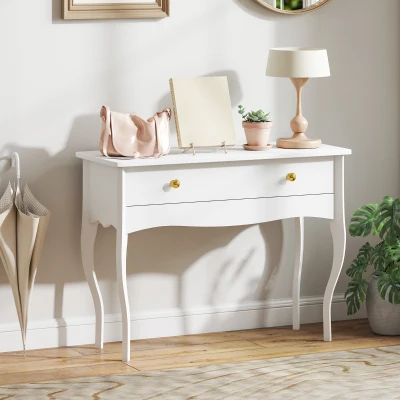
A small entryway doesn't mean you have to skip the console table — it just means you need to choose wisely. Instead of a large, sprawling table, look for compact console tables with a width of 55-75 cm and a depth of 30 cm or less.
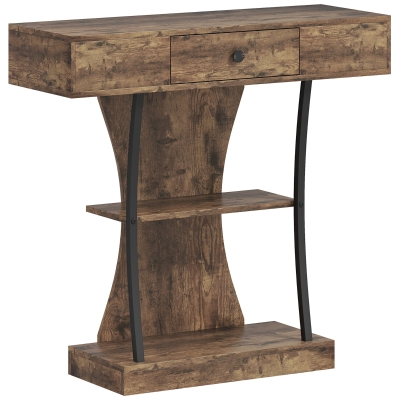
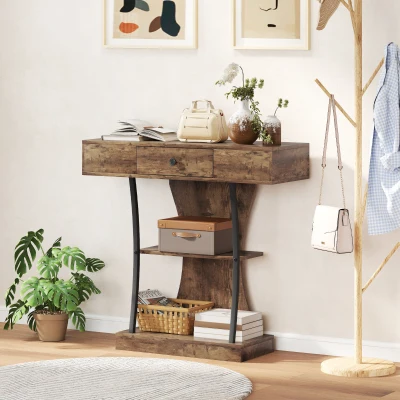
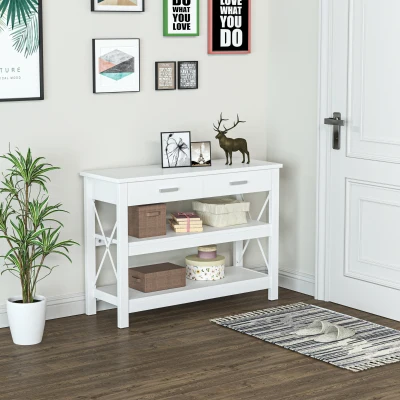
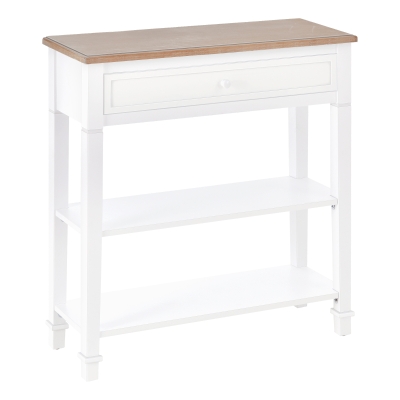
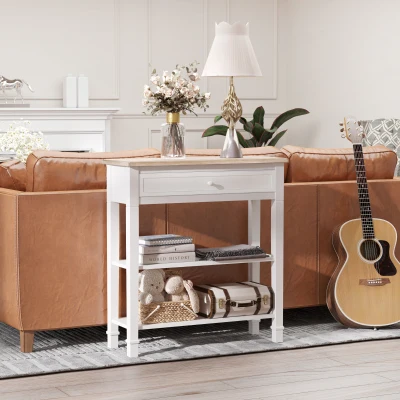
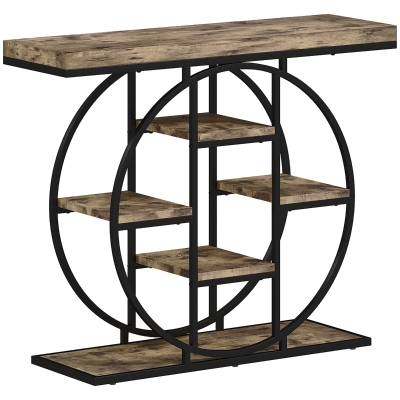
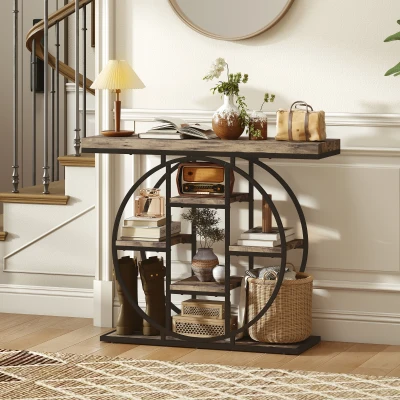
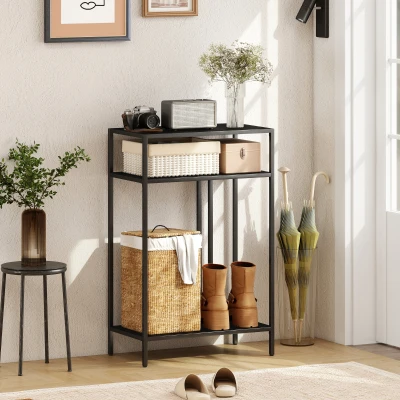
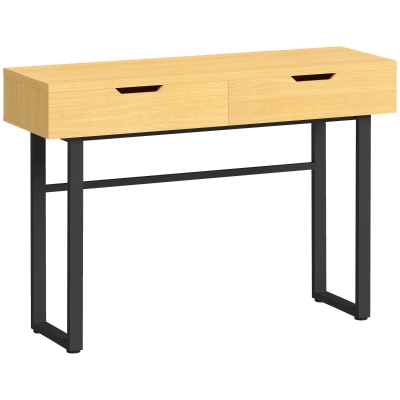
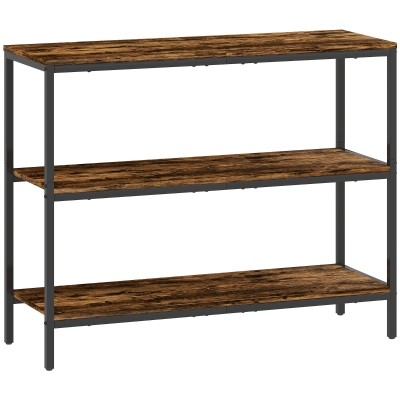
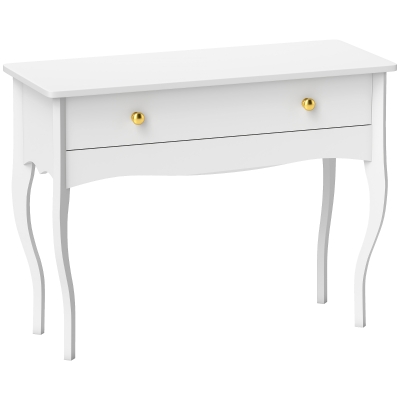
In small entryways, every inch counts. Choose a table that combines multiple functions in one compact piece: a console table with drawers can hide clutter while providing a surface for keys and decorative accents. A 3-tier console table offers vertical storage without eating up valuable floor space. And if you have young children or pets, look for models with anti-tipping devices — they anchor the table to the wall for added stability and peace of mind.
Living Rooms and Sofa-Back Placement: The Perfect Length
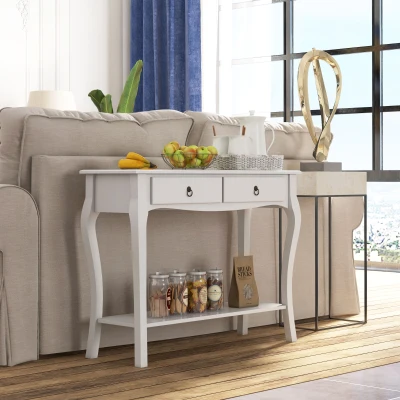
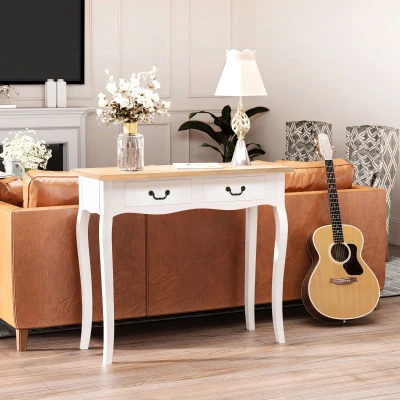
When placing a console table behind a sofa, the rules change slightly. The table should be slightly lower than the sofa back or level with it, and it should be long enough to complement the sofa without sticking out awkwardly at the ends.
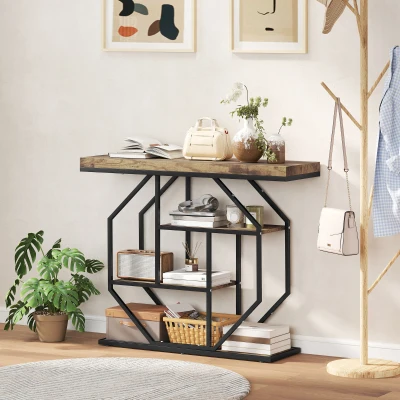
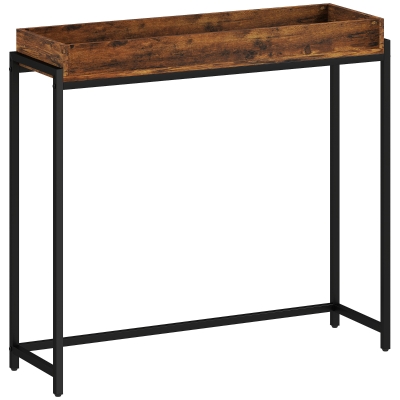
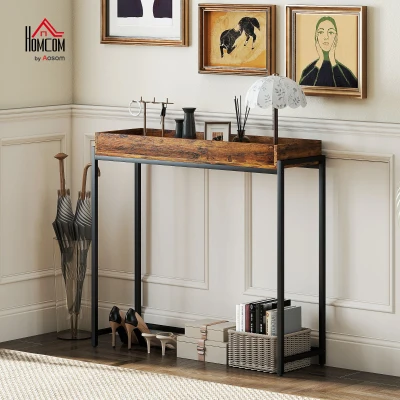
For a standard 2-seater sofa, a console table of 100-120 cm works well. For a 3-seater sofa, go for 120-150 cm. These longer tables provide a generous surface for lamps, vases, and photo frames, creating a layered, polished look. And if you want to display taller items, a table with a raised tray top adds visual height and prevents items from sliding off the edges.
Safety First: Why Anti-Tip Matters
Narrow and tall furniture pieces — like many console tables — can be prone to tipping, especially in homes with children or pets. That's why many modern entryway tables come with anti-tipping straps or wall anchors included. These simple devices attach the table to the wall, preventing it from falling forward if someone leans on it or bumps into it accidentally.
Even if the table you're considering doesn't include an anti-tip device, you can purchase one separately — it's a small investment that brings big peace of mind. For uneven floors, look for models with adjustable foot pads, which let you level the table and prevent wobbling.
Frequently Asked Questions
1. What is the standard depth of a hallway console table?
The standard depth for a hallway console table is between 30 and 35 cm. However, for very narrow hallways, you can find slim console tables with depths as low as 24 cm — these are specially designed to fit tight spaces while still providing useful surface area and storage. Always measure your corridor width before purchasing to ensure you'll have enough walking space.
2. Can I use a console table behind a sofa if the sofa is taller?
Yes, you can use a console table behind a sofa even if the sofa is taller. However, for the best visual effect, the table should be at least slightly lower than the sofa back — ideally by 5-10 cm. If the table is taller, it will stick out above the sofa back and disrupt the clean sightline. If it's much lower, it will look hidden and lost. If your sofa is very tall, look for a console table in the 80-87 cm height range.
3. What width console table should I get for a small entryway?
For a small entryway, aim for a console table that's 55-75 cm wide. This size provides enough surface area for a lamp, keys, and a small decorative item without overwhelming the space. If the entryway is very narrow, consider a slim console table with a depth of 24-30 cm. Always leave at least 90 cm of clear walking space in front of the table for comfortable movement.
Measure, Then Choose Your Perfect Console Table
Choosing the right console table doesn't have to be complicated. By understanding your space type — whether it's a narrow hallway, a small entryway, or a large living room — you can narrow down the size and features that work best for you.
Remember to measure your wall width, the depth available for walking, and the height of any nearby furniture. And don't forget about safety — especially in narrow spaces where table tips could be a concern. With the right measurements and a thoughtful choice, your entryway table will be both beautiful and practical for years to come.