






Bird Table Showdown: Wood vs. Steel — Which Material Wins in Your Garden?
You've decided to invite feathered friends into your garden. A bird feeding station is the perfect way to attract a variety of species, offering them food, water, and a safe place to perch. But as you browse your options, one question keeps coming up: should you choose a wooden bird table or a steel bird feeder stand?
The decision matters more than you might think. The material you choose determines how long your bird feeding stand will last, how much maintenance it needs, and how well it blends with your garden. In this guide, we'll break down the pros and cons of each material so you can make the right choice for your outdoor space.
Wooden Bird Tables: Natural Beauty with a Price
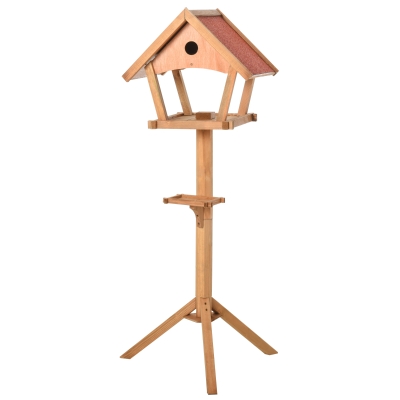
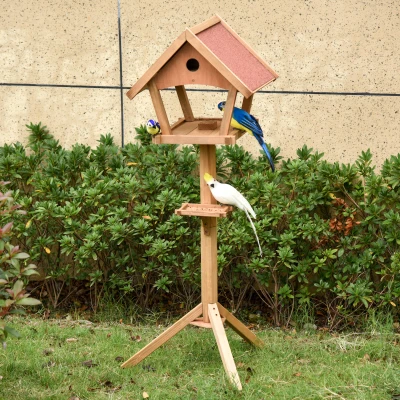
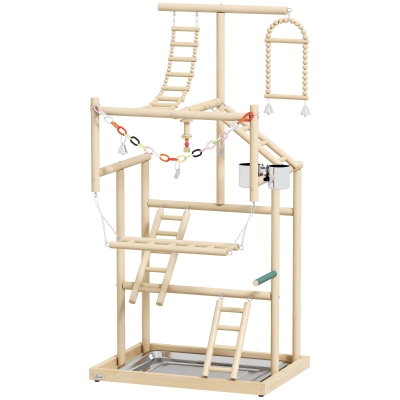
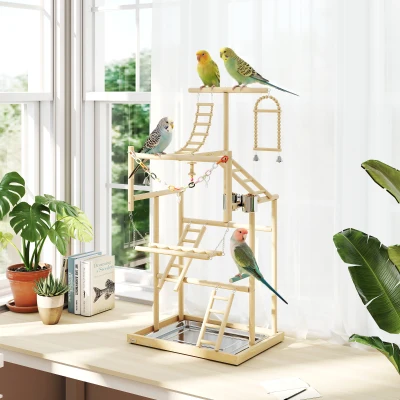
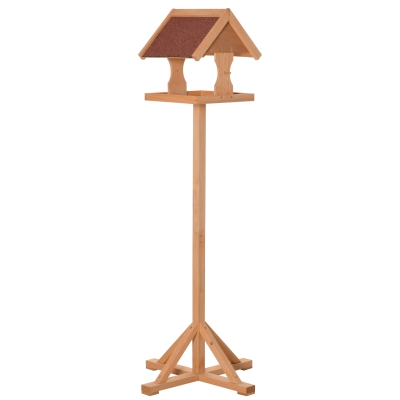
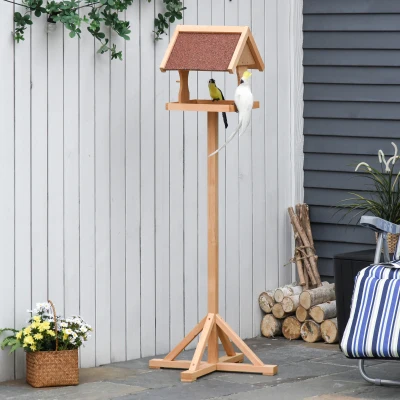
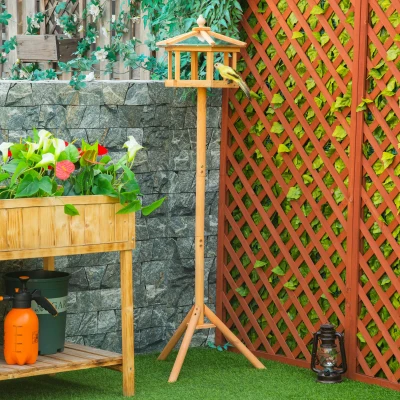
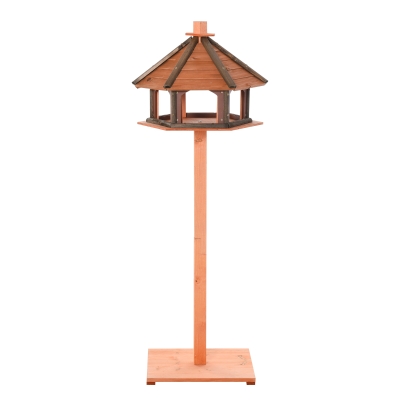
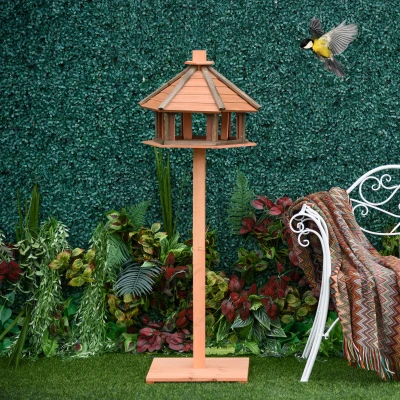
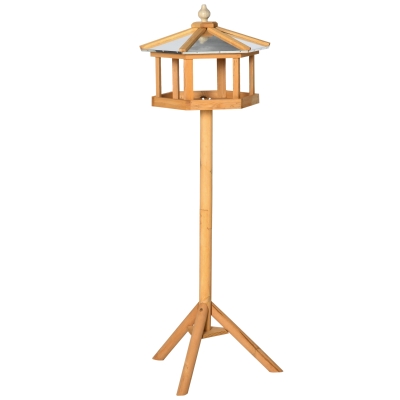
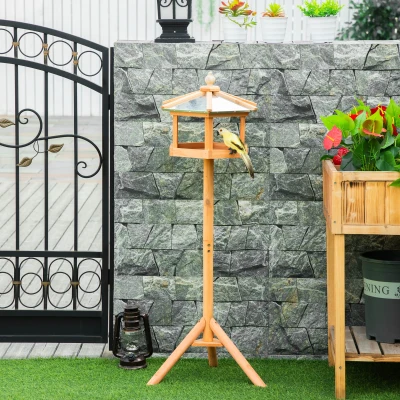
A wooden bird table is the classic choice. It blends naturally into any garden setting, aging gracefully over time. The warm, natural look of wood appeals to gardeners who want their bird feeder stand to feel like a natural part of the landscape rather than an artificial addition.
Pros of wooden bird tables:
- Natural appearance: Wood blends seamlessly with trees, plants, and flowers. It doesn't stand out as a "man-made" object, making it a favorite for wildlife-friendly gardens.
- Good insulation: Wood doesn't get as hot as metal in direct sunlight, which can be beneficial for birds during summer months.
- Easy to customize: Wood can be painted, stained, or left natural to match your garden's style.
- Sturdy feel: A well-built wooden bird feeding station has a solid, substantial feel that many gardeners appreciate.
Cons to consider:
- Requires regular maintenance: Wood is vulnerable to moisture, rot, and insect damage. To keep a wooden bird table in good condition, you'll need to apply wood preservative or outdoor varnish every year or two.
- Susceptible to weathering: Rain, sun, and frost can cause wood to crack, warp, or fade over time. Even with treatment, wooden bird feeder stands have a shorter lifespan than metal alternatives.
- Heavier than metal: Wooden stands are often bulkier and harder to move once positioned.
Best for: Gardeners who prioritize aesthetics and don't mind performing regular maintenance. Wooden bird tables are perfect for traditional, cottage-style, or naturalistic gardens where blending in is more important than longevity.
Steel Bird Feeding Stations: Durability That Lasts
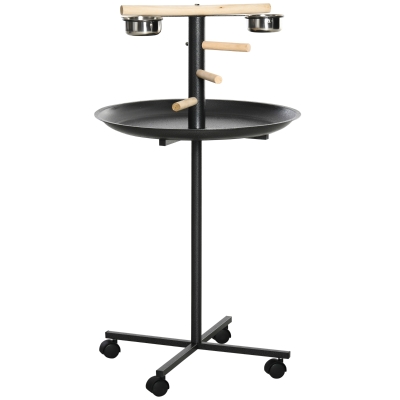
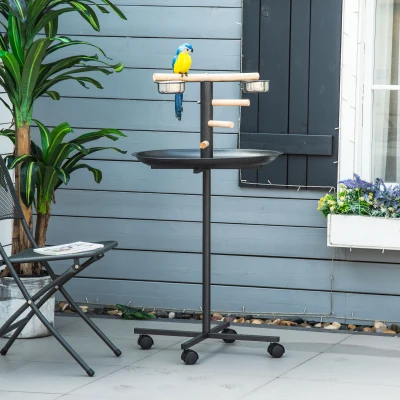
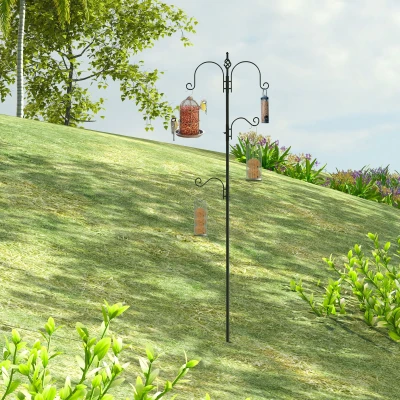
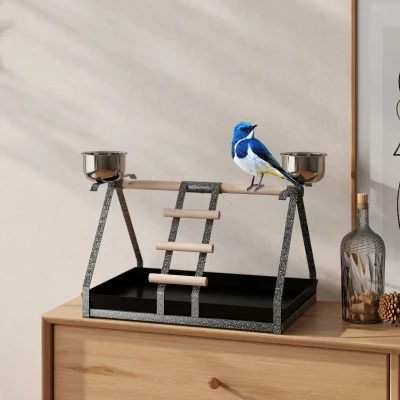
Steel bird feeding stations are the modern, low-maintenance alternative to wood. Made from powder-coated steel or stainless steel, these bird feeder stands are designed to withstand the elements year after year.
Pros of steel feeding stations:
- Exceptional durability: Steel stands up to rain, wind, sun, and frost without cracking, warping, or rotting. A quality steel bird table can last for decades with minimal care.
- Rust-resistant when coated: Powder-coated steel and stainless steel resist corrosion, making them ideal for damp or coastal climates.
- Low maintenance: No annual sealing, painting, or treating required. A quick wipe-down keeps your bird feeding station looking new.
- Lightweight but strong: Steel offers excellent strength-to-weight ratio, making it easier to move and reposition than wood.
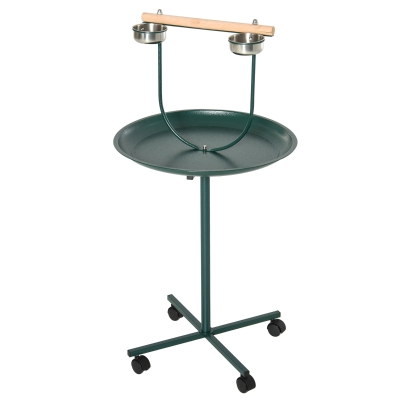
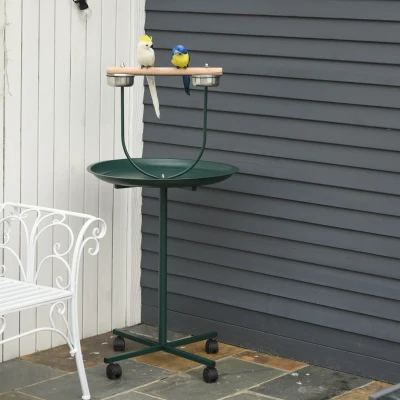
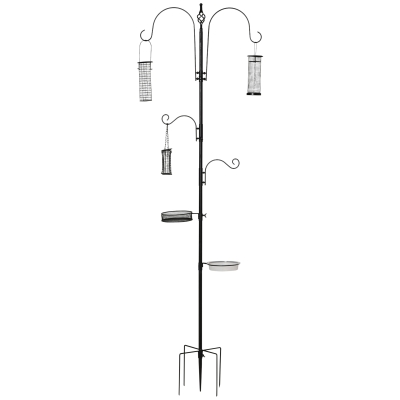
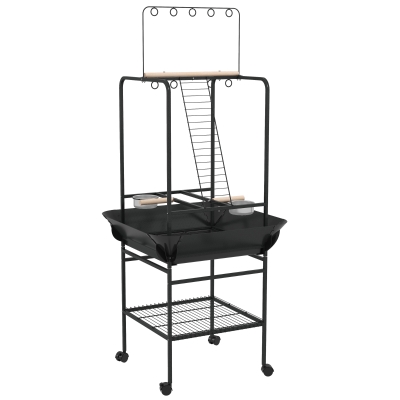
- Versatile accessories: Steel stands often come with more features — like adjustable hooks, removable trays, and stainless steel feed bowls — that are harder to integrate into wooden designs.
Cons to consider:
- More modern appearance: Steel stands look more contemporary. While some gardeners love this, others feel it looks less natural in a traditional garden setting.
- Can get hot: Dark-colored steel can heat up in direct sunlight, though most birds adapt quickly and the heat doesn't affect the food.
- Initial cost: Quality steel stands are often more expensive upfront than wooden ones, though they last much longer.
Best for: Gardeners who want a low-maintenance, long-lasting bird feeding station. Steel stands are ideal for exposed gardens, coastal areas, and anyone who prefers a contemporary look.
What About Stainless Steel?
For the ultimate in rust resistance, stainless steel is the premium choice. While more expensive than powder-coated steel, stainless steel offers superior protection against corrosion, making it perfect for gardens near the sea or in areas with heavy rainfall.
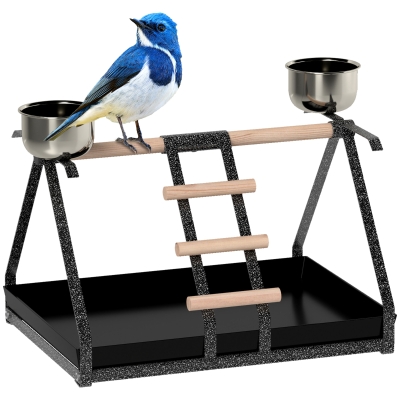
Stainless steel bird stands often come with features like perches, feed bowls, and removable trays that make cleaning and maintenance incredibly simple. The polished finish looks clean and professional, though some gardeners find it less "natural" than wood.
Key Features to Look For in Any Bird Table
Regardless of the material you choose, certain features can make your bird feeding station more functional and easier to use.
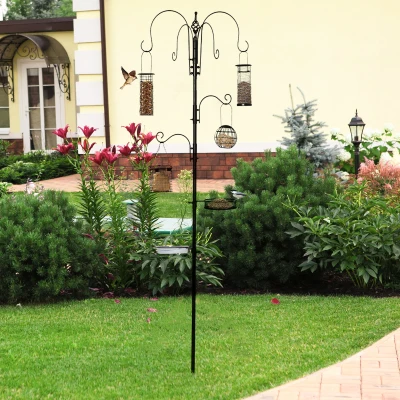
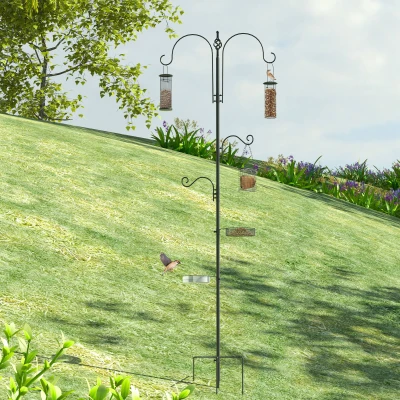
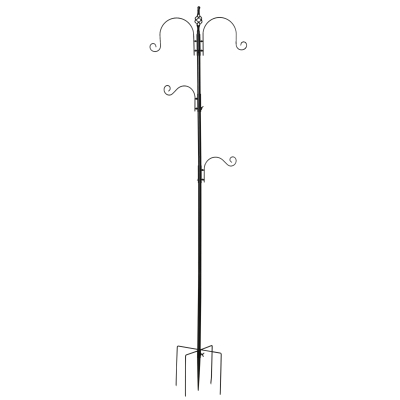
- Hooks or hanging points: Look for models with 4 or 6 hooks, allowing you to hang multiple feeders simultaneously. This lets you offer different types of food — seeds, peanuts, fat balls — to attract a wider variety of bird species.
- Removable trays and bowls: These make cleaning much easier. Stainless steel bowls are particularly hygienic and durable.
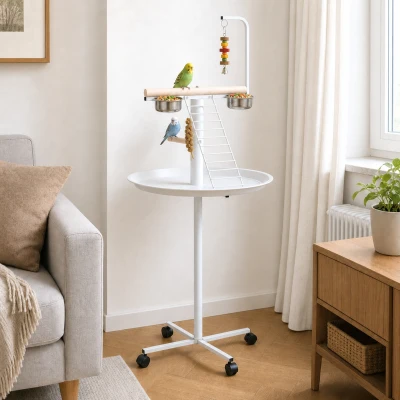
- Perches: Some birds prefer to perch while eating. Stands with built-in perches are more welcoming to larger birds like woodpeckers or parrots.
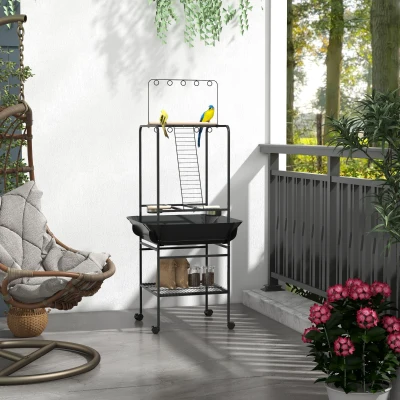
- Stability: A sturdy base or wheels prevent your bird feeder stand from toppling in windy weather. Models with four wheels offer added stability and portability.
How Weather Affects Your Choice
Your local climate is one of the biggest factors in choosing between wood and steel.
- Wet, rainy climates: Steel or stainless steel is the better choice. Wood absorbs moisture, which leads to rot, warping, and mold.
- Coastal areas: Salt air accelerates corrosion. Stainless steel offers the best protection, followed by powder-coated steel with a high-quality finish.
- Hot, sunny climates: Both materials work, but dark steel can get hot. Wood stays cooler to the touch. However, UV rays fade and damage wood faster than they affect steel.
- Cold, freezing climates: Steel handles freezing temperatures without cracking. Wood can crack if moisture gets inside the grain and freezes.
Frequently Asked Questions
1. How long does a wooden bird table typically last?
With proper care — annual treatment with wood preservative or outdoor varnish — a wooden bird table can last 5-10 years. Without regular maintenance, it may start to rot, warp, or crack within 2-3 seasons. If you choose wood, commit to annual maintenance to get the most out of your investment.
2. Do steel bird feeding stations rust?
Powder-coated steel is highly rust-resistant as long as the coating remains intact. If the coating gets scratched, the exposed steel can rust over time. Stainless steel is the most rust-resistant option. To prevent rust, avoid dragging the stand across rough surfaces and touch up any scratches with rust-inhibiting paint.
3. Which material is easier to clean?
Steel is significantly easier to clean than wood. A quick wipe with a damp cloth removes dirt and debris. Removable trays and bowls can be washed in warm soapy water. Wood absorbs moisture and can harbor bacteria if not properly dried, making it more difficult to keep hygienic. For this reason, many gardeners prefer steel bird feeding stations for ease of maintenance.
Choose the Right Material for Your Garden
The choice between a wooden bird table and a steel bird feeder stand ultimately comes down to your priorities. If you value natural aesthetics and don't mind annual maintenance, a wooden bird feeding station will bring classic charm to your garden. If you want a low-maintenance, long-lasting solution that stands up to the elements, steel or stainless steel is the smarter investment.
Whatever you choose, the birds in your garden won't care about the material — they'll just be grateful for the food. But a well-chosen bird feeding station will make caring for them a pleasure for years to come.