





















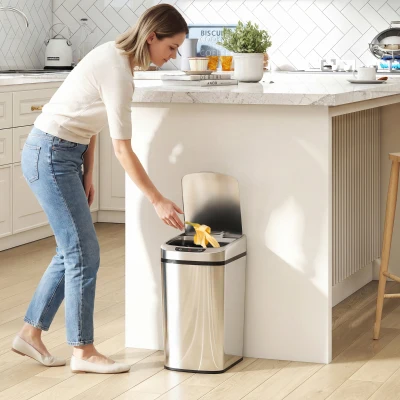

Hands-Free, Foot-Free, Hassle-Free: Is a Sensor Bin Worth the Investment?
Gone are the days when a kitchen bin was simply a metal box with a lid. Today's market offers three distinct ways to open your trash can: hands-on press, foot pedal, and motion sensor. Each promises convenience, but which one actually delivers a cleaner, more hygienic, and more enjoyable kitchen experience? This guide breaks down the pros, cons, and real-world performance of sensor bins (automatic touchless rubbish bins) compared to their manual counterparts, helping you decide if the upgrade is truly worth it for your home.
Three Opening Mechanisms – Which One Fits Your Lifestyle?
Before we dive into the sensor debate, let's lay out the full picture. Every kitchen bin from our collection falls into one of these three categories:
| Opening Type | How It Works | Key Advantages | Potential Drawbacks | Ideal For |
|---|---|---|---|---|
| Manual Press / Lift Lid | Hand lifts the lid or presses a release button. | Simple mechanism, no batteries, lowest cost. | Hygiene concern (hand contact), messy if hands are dirty or wet. | Utility rooms, guest bathrooms, low-traffic spaces. |
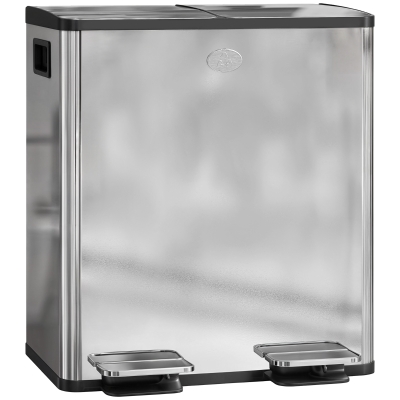
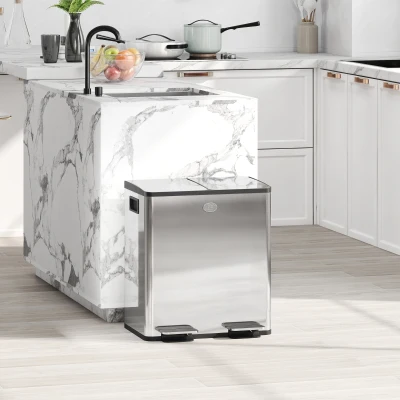
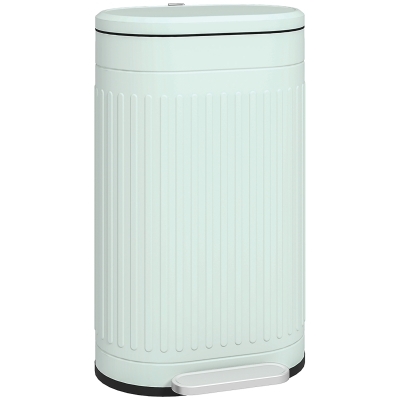
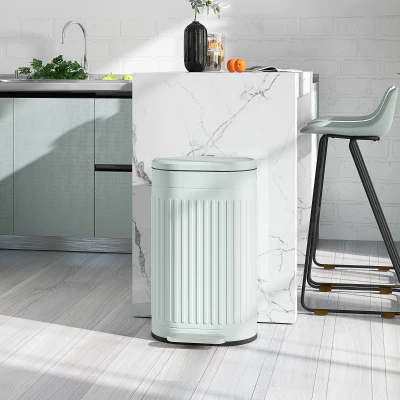
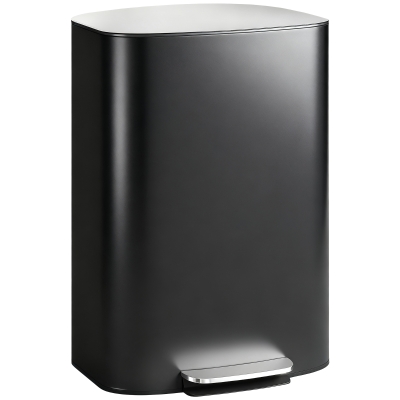
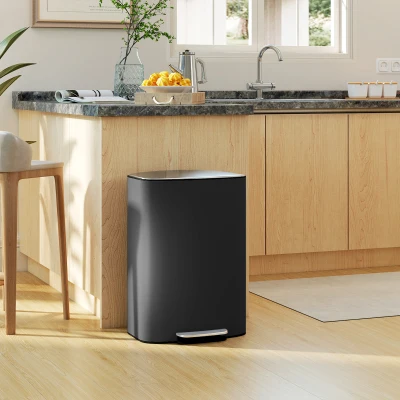
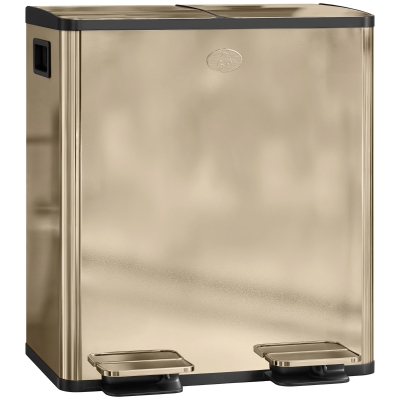
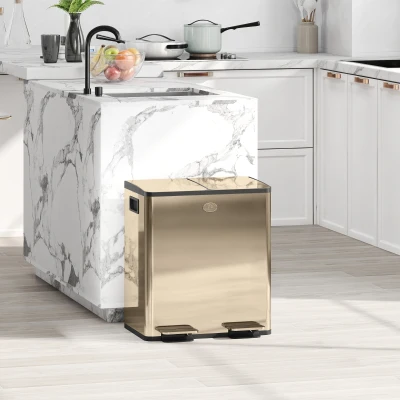
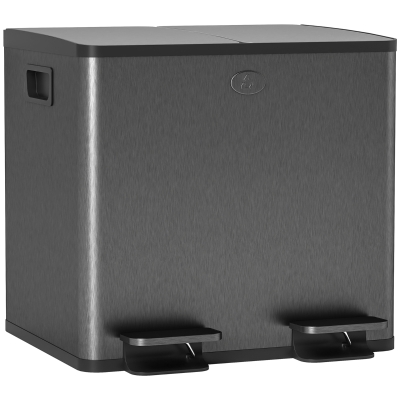
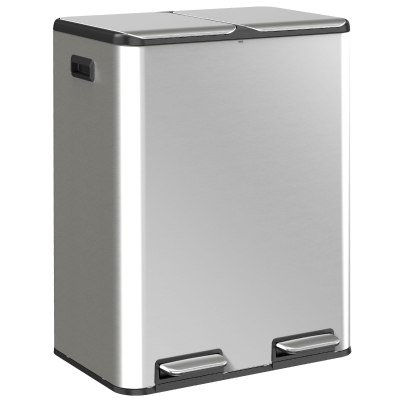
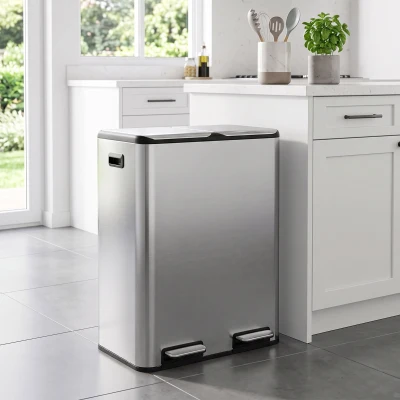
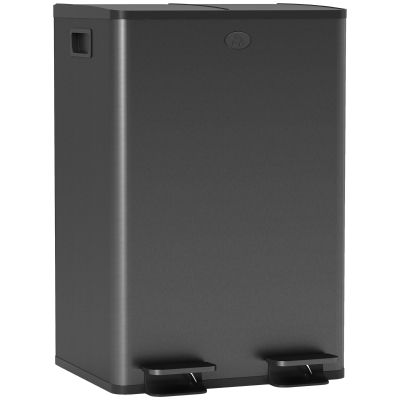
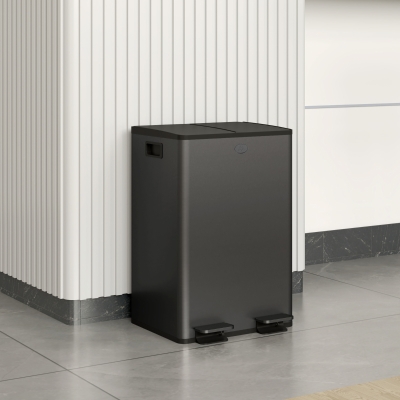
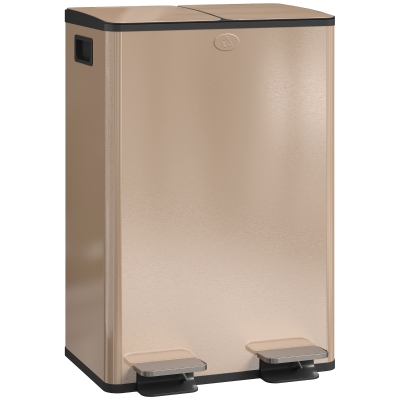
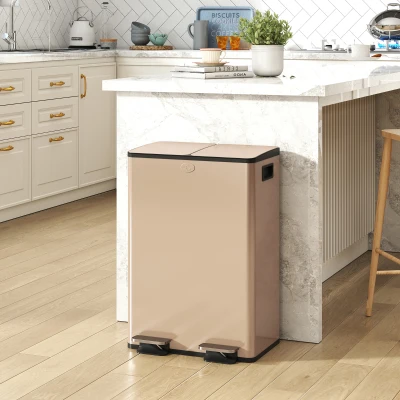
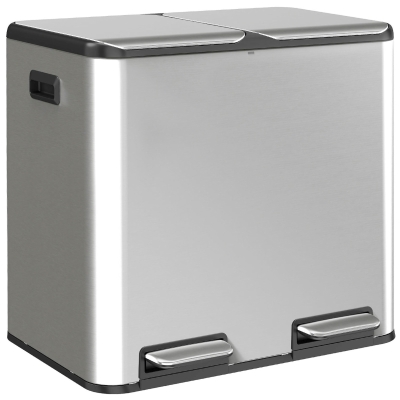
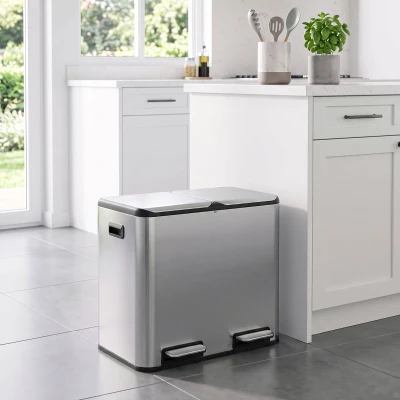
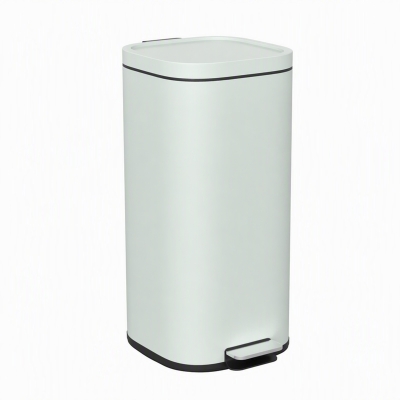
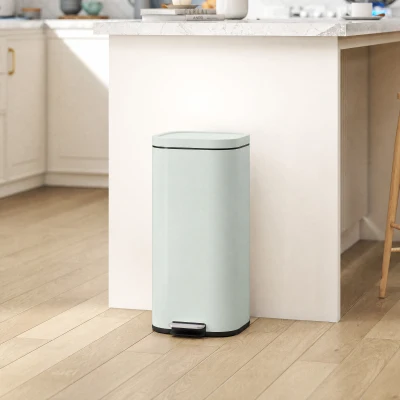
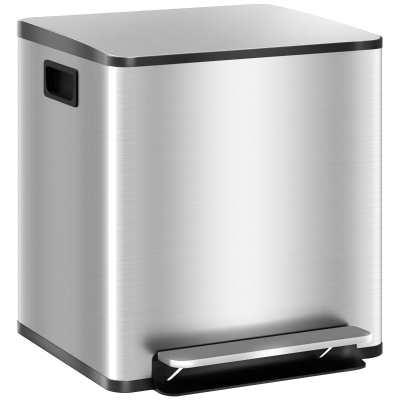
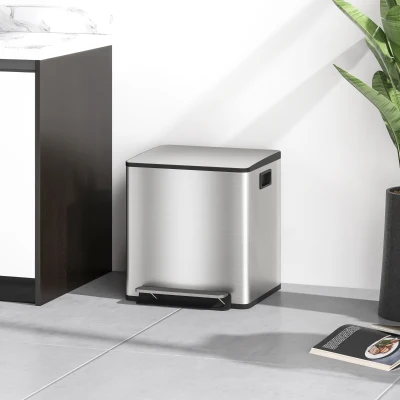
| Foot Pedal (Pedal Bin) | Stepping on a floor pedal opens the lid via a mechanical linkage. | Hands-free operation, reliable mechanical design, no batteries, durable. | Requires floor space for pedal access; children/pets can trigger accidentally; foot strength needed for heavy lids. | Busy family kitchens, homes with elderly users, those who prefer reliability over tech. |
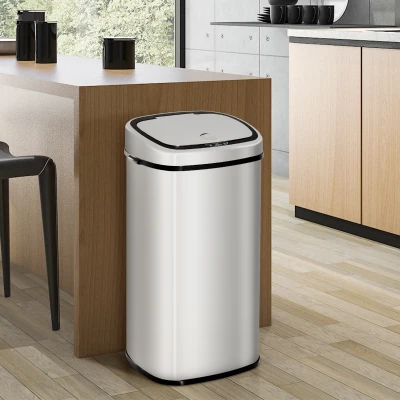
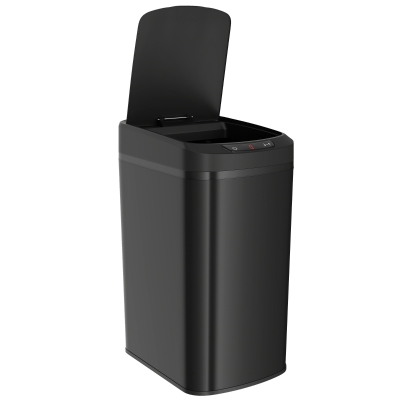
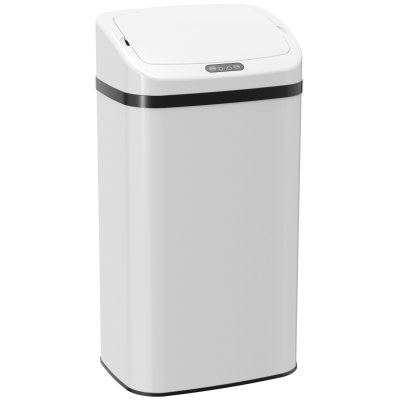
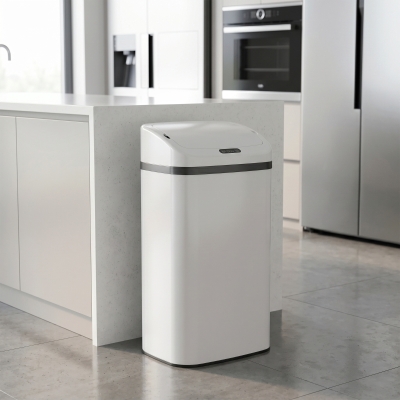
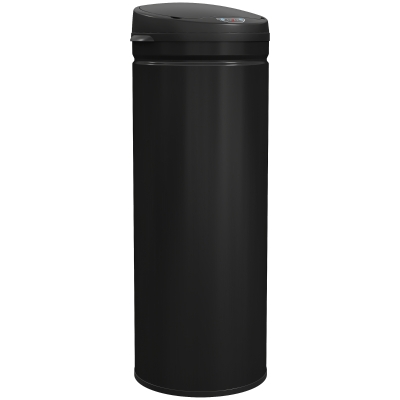
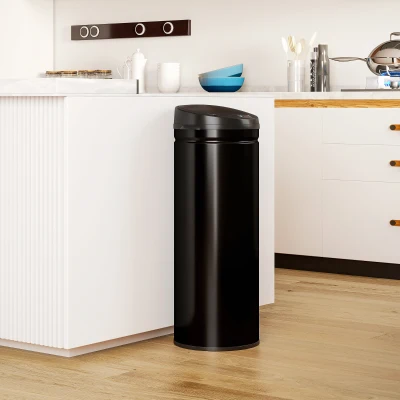
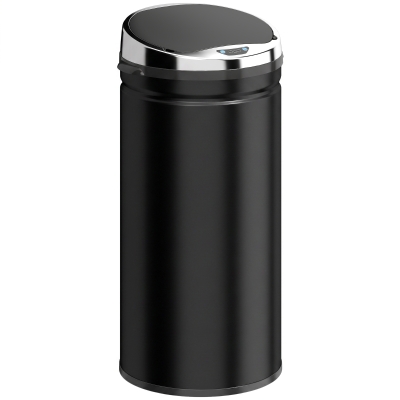
| Motion Sensor (Sensor Bin) | Infrared sensor detects hand movement and activates a motor to open the lid. | Zero-contact opening, ultra-convenient, modern aesthetic, helps contain odours better (lid stays closed until needed). | Requires batteries/charging; sensor may trigger falsely (pets, passing shadows); motor can fail; higher upfront cost. | Tech-savvy homeowners, luxury kitchens, those prioritising hygiene and convenience. |
Deep Dive: The Sensor Bin Experience – Glamour or Gimmick?
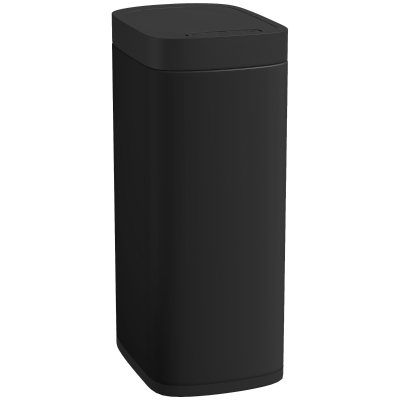
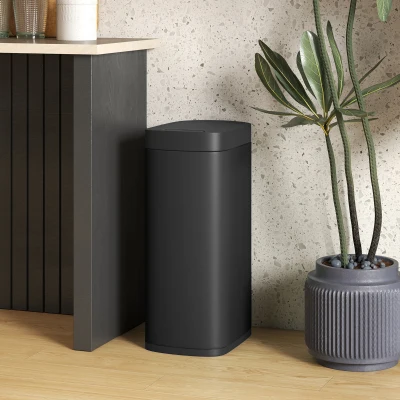
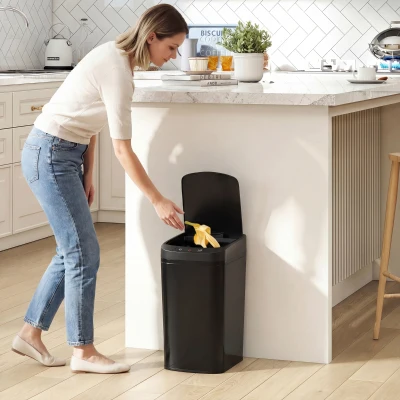
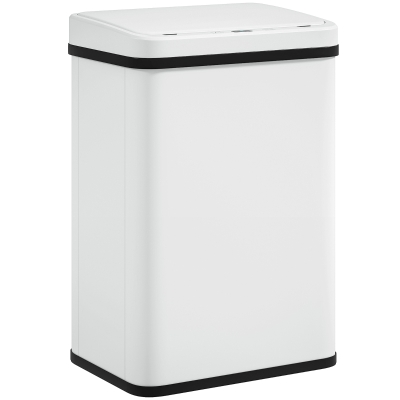
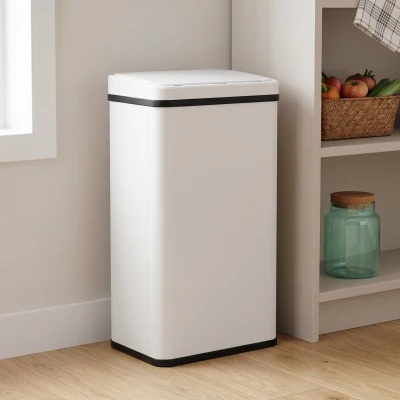
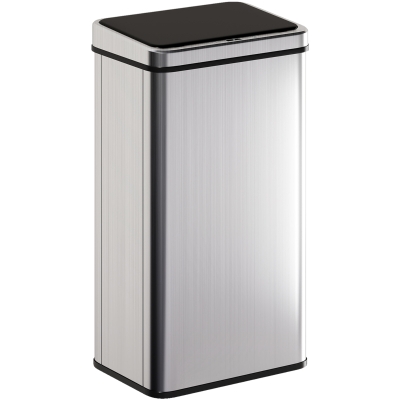
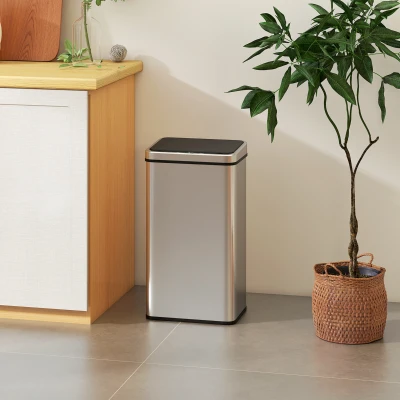
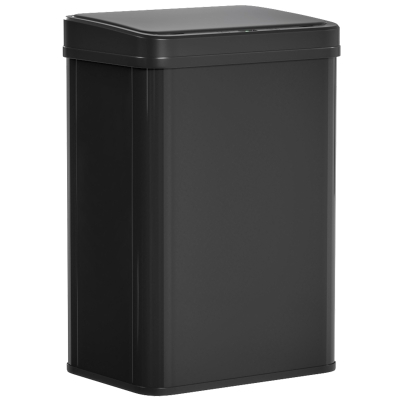
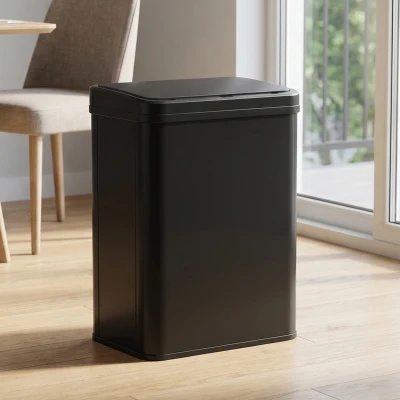
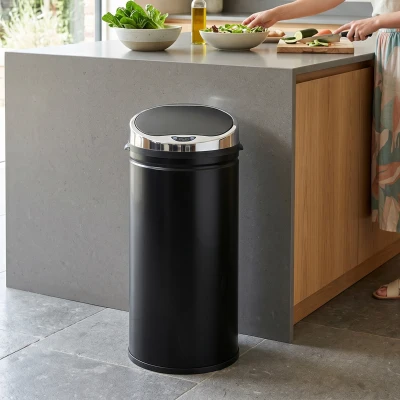
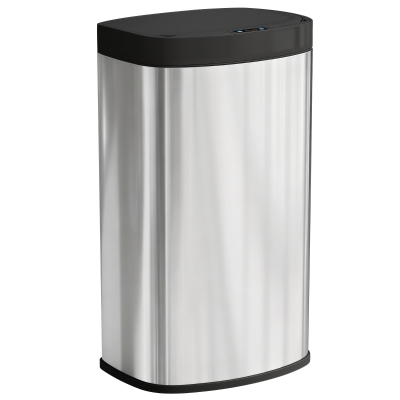
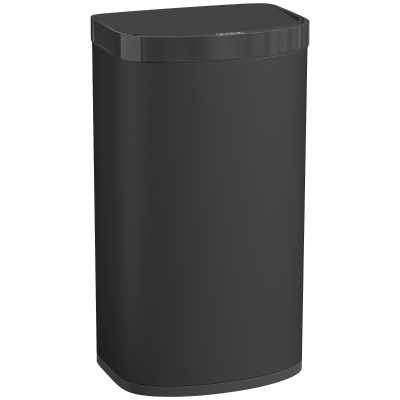
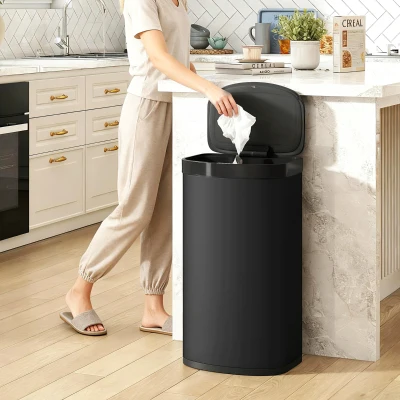
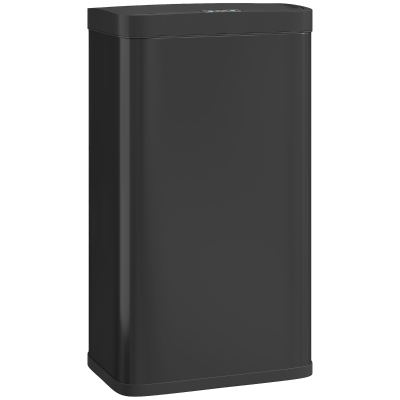
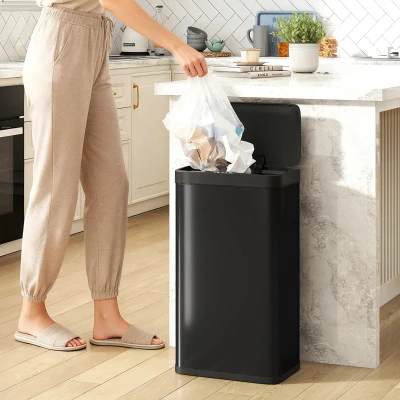
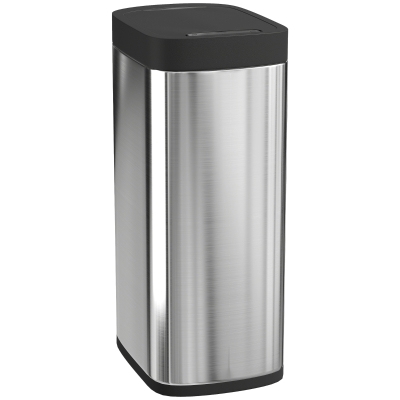
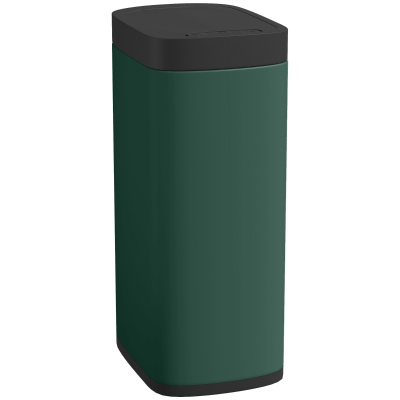
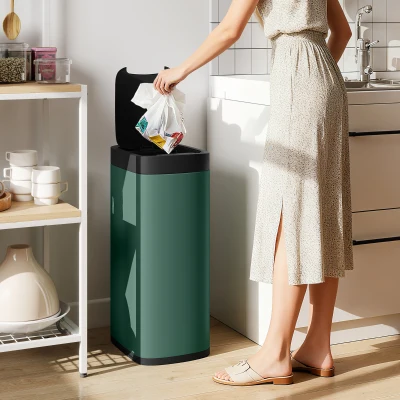
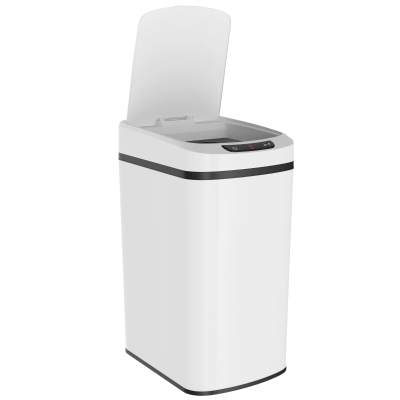
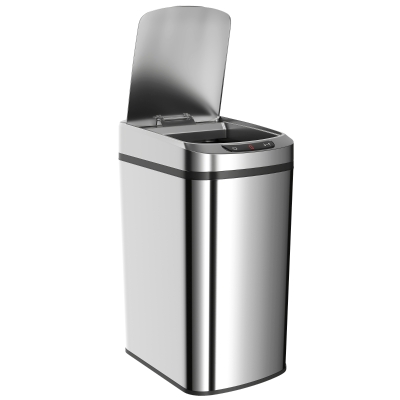
Now let's focus on the star of the show: automatic sensor bins. Models like the HOMCOM 50L Stainless Steel Sensor Bin (available in Silver Tone and Black) and the HOMCOM 50L Infrared Touchless Automatic Motion Sensor Dustbin promise a futuristic, hygienic waste disposal experience. But how do they perform in a real kitchen?
What Sensor Bins Do Exceptionally Well
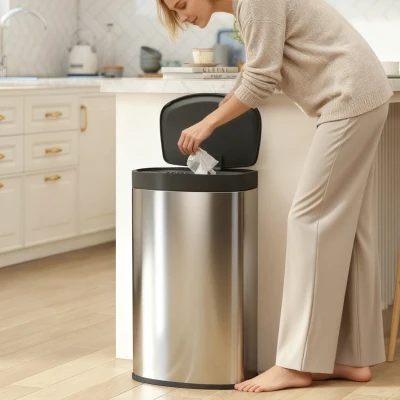
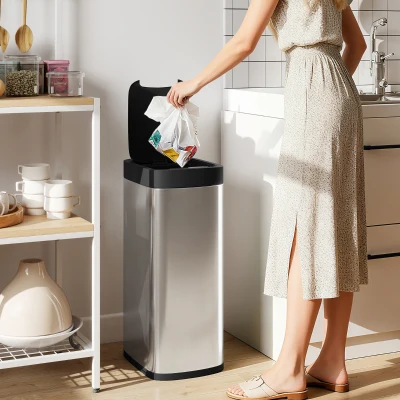
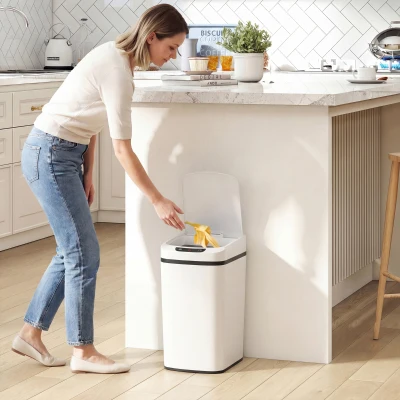
- Hygiene First: This is the #1 selling point. When you're handling raw chicken juice, sticky dough, or messy peelings, the ability to simply wave your hand to open the bin without touching anything is a genuine game-changer. Models with touchless motion sensor technology, like the HOMCOM 55L Sensor Bin with Soft-Close Lid, eliminate cross-contamination at the very moment you're most vulnerable to it.
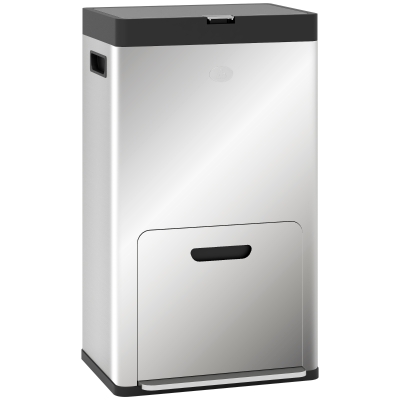
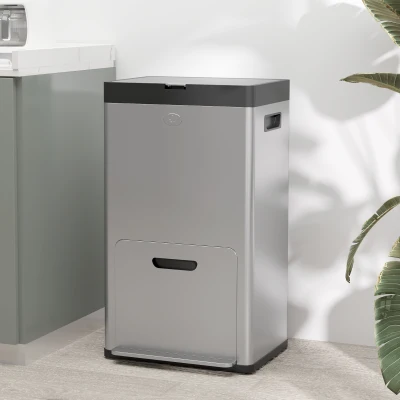
- Odour Containment: Sensor bins typically keep the lid closed when not in use, unlike manual bins which are often left slightly ajar or open. This simple behaviour dramatically reduces kitchen odours. Many models also include deodoriser holders (found on HOMCOM 56L Triple Compartment and 40L Dual Compartment bins) that let you place odour-absorbing cartridges right inside the lid.
- Soft-Close Mechanism: Premium sensor bins, such as the HOMCOM 50L Sensor Bin with Soft-Close Lid, combine the motorised opening with a dampened closing action. This prevents loud slamming, protects the lid mechanism, and adds a touch of sophistication to your kitchen.
- Fingerprint-Proof Finish: High-end models like the HOMCOM 50L Automatic Motion Sensor Rubbish Bin with Fingerprint Resistant finish mean your stylish stainless steel bin won't look smudged and grimy after every use. The silver tone and black finishes are particularly forgiving of daily wear.
Where Sensor Bins Can Be Tricky
- Battery Life & Maintenance: Most sensor bins run on standard batteries (AA or C) or a rechargeable battery. Depending on usage frequency, batteries typically last 3 to 6 months. When they die, the bin either becomes a manual lift-lid unit or stops working entirely. Always keep spare batteries handy and opt for models with a low-battery indicator if possible.
- Sensor Sensitivity: Infrared sensors can be triggered by pets walking past, curtains blowing in the wind, or even strong sunlight reflecting off the floor. This can lead to battery drain and unnecessary lid movements. Some higher-end models offer adjustable sensitivity settings—worth checking before purchase.
- Motor Longevity: The motor that opens the lid is the most failure-prone component. While reputable brands like HOMCOM use durable mechanisms, it's wise to treat the lid gently and avoid forcing it open manually when the mechanism is engaged.
- Cost Premium: A sensor bin typically costs 2 to 3 times more than a comparable pedal bin. For the HOMCOM 50L Stainless Steel Sensor Bin, you're paying for the convenience and technology—but you need to decide if that fits your budget.
How to Choose the Right Sensor Bin for Your Kitchen
If you've decided that a sensor bin is the right upgrade for you, here's what to look for when browsing our collection:
- Consider Capacity: For a household of 1–2 people, a 30L–40L bin (like the HOMCOM 30L Modern Curved Kitchen Bin or 40L Dual Compartment) is typically sufficient. For 3–4 people, aim for 50L–56L (e.g., HOMCOM 50L Sensor Bin or 56L Triple Compartment). For large families or heavy cooks, the HOMCOM 72L Stainless Steel Recycling Sensor Bin with 3 Compartments offers serious capacity while still maintaining sensor convenience.
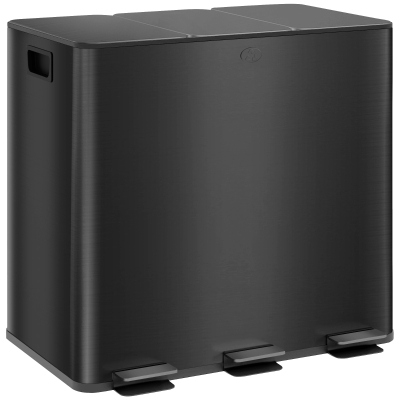
- Recycling vs. General Waste: Many sensor bins now feature dual or triple compartments (e.g., HOMCOM 56L Triple Compartment Stainless Steel Kitchen Bin). These allow you to separate wet/dry waste or recyclables vs. general rubbish within a single sleek unit—maintaining the sensor convenience while supporting your eco-friendly habits.
- Location & Space: For under-sink installation, sensor functionality is less relevant (since the bin is hidden). Consider a pull-out bin like the HOMCOM Pull Out Bin with 2 Removable Compartments instead. Sensor bins shine in open-plan kitchens or islands where they serve as both functional tools and design statements.
The Verdict: Is a Sensor Bin Worth It?
Here's the honest take: a sensor bin is not a necessity—but it is a true convenience upgrade. If you:
- Cook frequently and handle raw ingredients daily;
- Value a sleek, modern kitchen aesthetic;
- Are willing to invest in battery replacements every few months;
- And appreciate the subtle luxury of a silent, touchless opening experience—
then a sensor bin is absolutely worth the investment. The HOMCOM 50L Stainless Steel Sensor Bin or the HOMCOM 55L Sensor Bin with Soft-Close Lid represent excellent value, combining reliable sensor technology with premium fingerprint-proof stainless steel and thoughtful details like soft-close mechanisms and deodoriser holders.
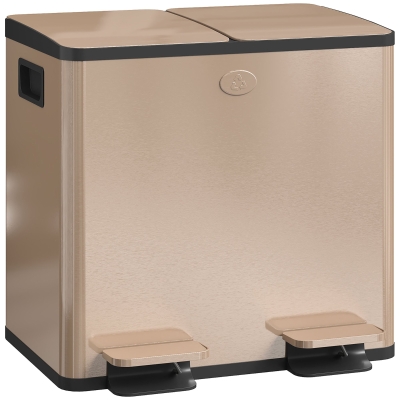
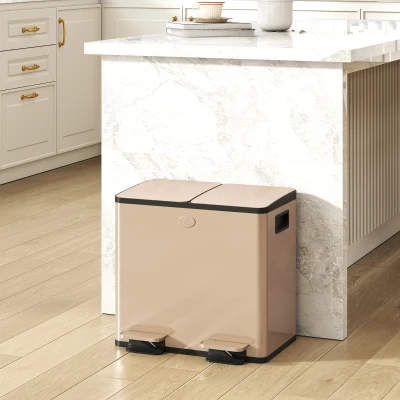
However, if you're on a tight budget, have a very small kitchen, or prefer a no-fuss, no-battery approach, a pedal bin from our range (like the HOMCOM Dual Kitchen Bin with Soft-Close Butterfly Lid) will serve you faithfully for years with zero electronics to worry about. Ultimately, the best bin is the one that fits your lifestyle, your space, and your habits.
FAQ
Q1: How long do the batteries last in a sensor bin, and what type do they use?
Most sensor bins, including the HOMCOM 50L Sensor Bin and HOMCOM 55L Sensor Bin, typically use 4 to 6 AA or C batteries. With average household use (opening the bin approximately 15–25 times per day), a fresh set of batteries will usually last 3 to 6 months. To extend battery life, keep the sensor area clean (dust can cause false triggers) and avoid exposing the bin to direct sunlight or heat sources, which can interfere with the infrared sensor. Some newer models also offer USB-C rechargeable options—always check the product specifications before purchasing.
Q2: Will my pet trigger the sensor bin accidentally?
Yes, this is one of the most common user complaints. The infrared sensor detects movement—it doesn't distinguish between a human hand and a cat walking past. If your pet frequently passes near the bin, you may experience unnecessary lid openings and faster battery drain. To minimise this, position the bin away from high-traffic pet routes, or consider placing it in a corner where the sensor's field of view is narrower. Some premium models (like the HOMCOM 72L Stainless Steel Recycling Sensor Bin) feature a sensor range adjustment dial that lets you reduce the detection distance—this is a fantastic feature for pet owners.
Q3: How do I clean a sensor bin without damaging the electronic components?
Cleaning a sensor bin requires a little more care than a standard pedal bin. Follow these guidelines:
- Always disconnect power (remove batteries) before cleaning the lid or sensor area.
- Wipe the exterior and lid with a soft, damp cloth using mild dish soap. Avoid abrasive cleaners, steel wool, or scouring pads—they will scratch the stainless steel finish.
- For the sensor lens (usually a small dark plastic circle), use a microfiber cloth with a drop of glass cleaner. Never spray liquids directly onto the sensor—dampen the cloth first.
- If your bin has a deodoriser holder, remove and wash it separately with warm water.
- Let all parts air dry completely before reassembling and reinserting batteries.
Regular cleaning not only keeps your bin hygienic but also prevents dust buildup that can interfere with the sensor's performance.