





























Buying Guide: How to Choose the Perfect Cat Tree for Your Space and Your Cat
A cat tree is one of the most important investments you can make for your feline friend. It provides a dedicated space for climbing, scratching, playing, and resting – all essential activities for a happy, healthy indoor cat. However, with so many options available – from small scratching posts to multi-level towers with beds, hammocks, and condos – choosing the right one can feel overwhelming. This guide focuses on two key factors: space and cat behaviour, helping you select a cat tree that fits your home and keeps your cat active and entertained.
1. Assess Your Available Space
Before you start browsing, measure the area where you plan to place the cat tree. Consider both floor space and ceiling height. Cat trees come in a variety of sizes – from compact 60 cm posts to towering 200 cm structures.
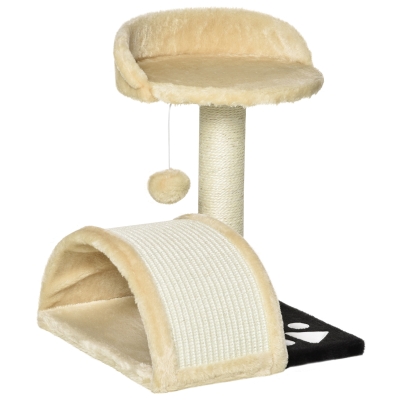
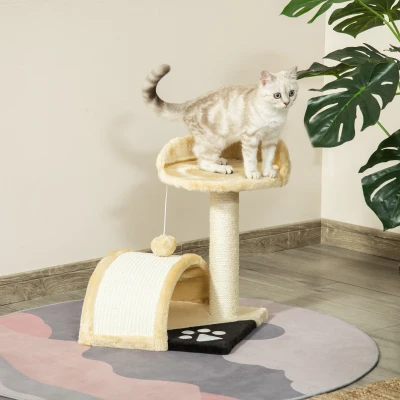
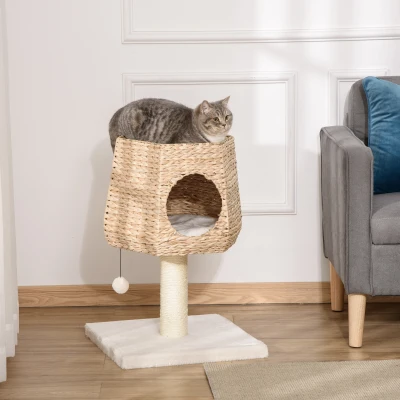
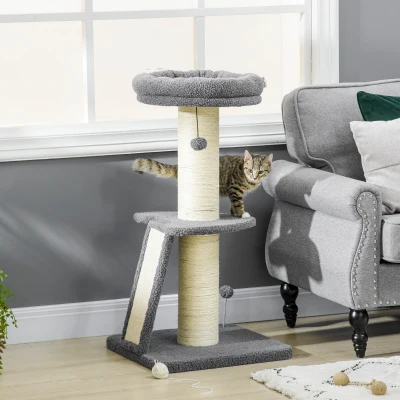
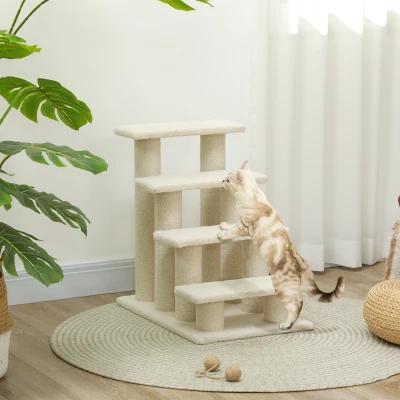
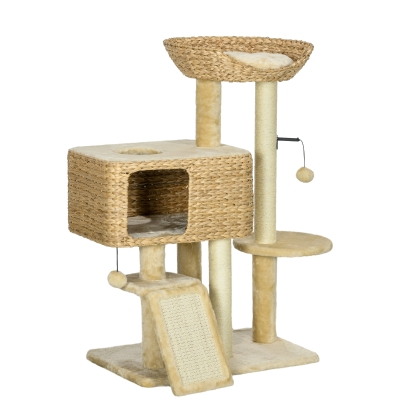
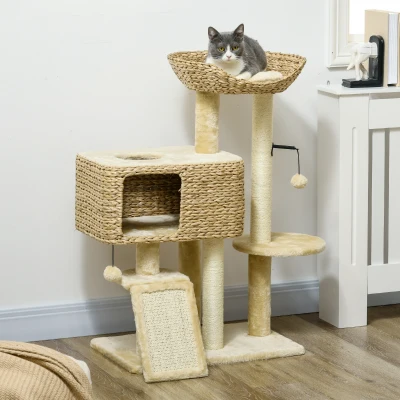
- Small spaces (apartments, bedrooms): A compact cat tree with a single scratching post and perch (around 80-100 cm tall) can fit neatly in a corner. Models like the PawHut 83cm Cat Scratching Post are perfect for tight spaces.
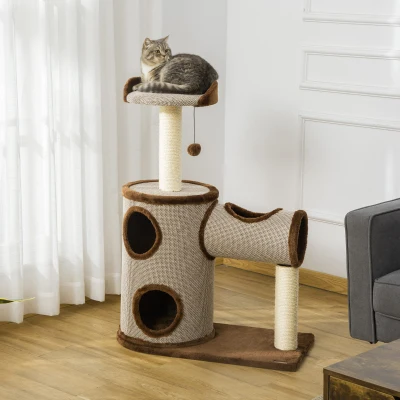
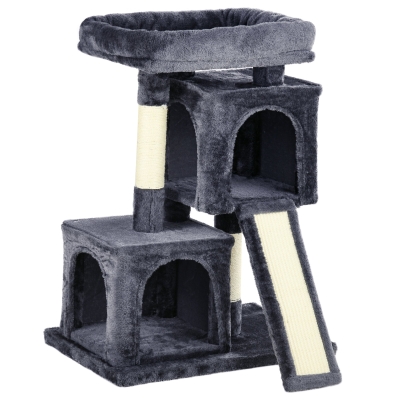
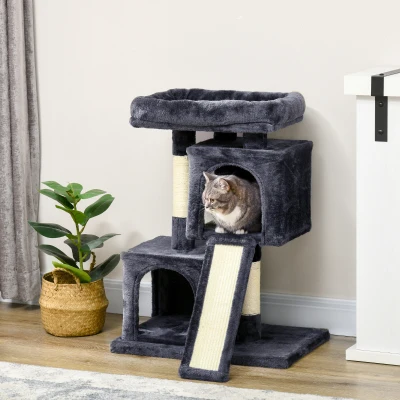
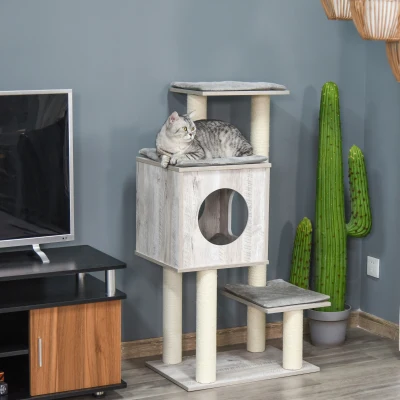
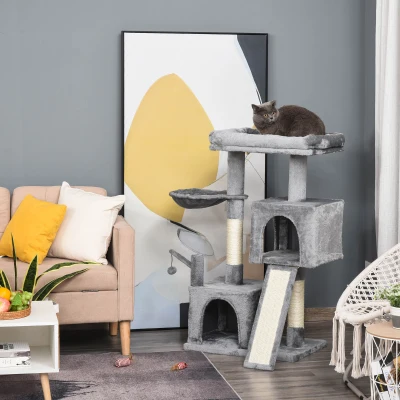
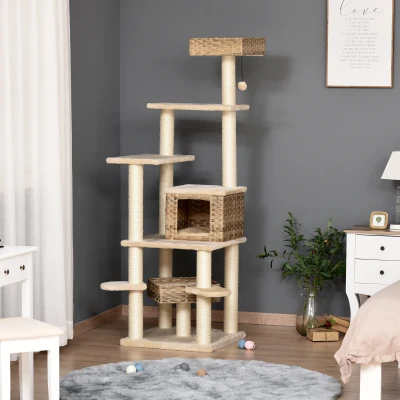
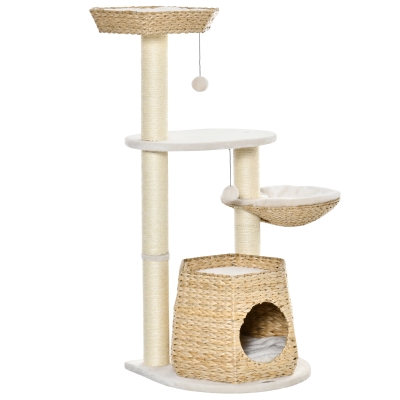
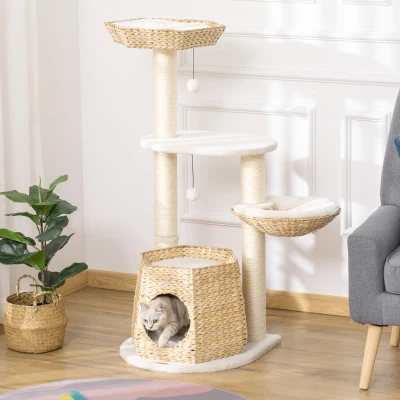
- Medium spaces (living rooms, studies): A mid-sized tower (120-150 cm) with multiple levels, a bed, and a condo offers a good balance of function and footprint. The PawHut 95cm Cat Tree Tower is a great example.
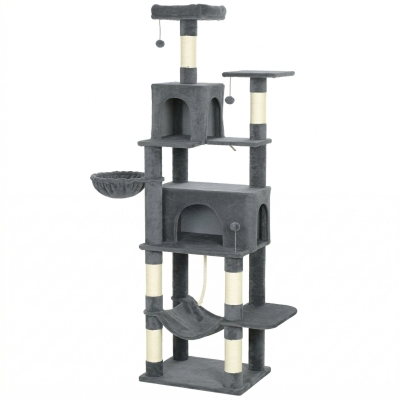
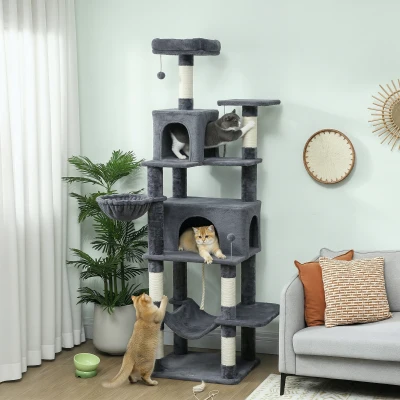
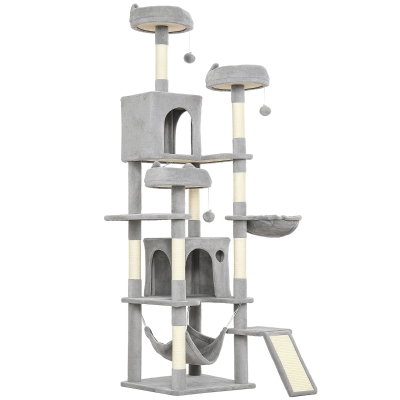
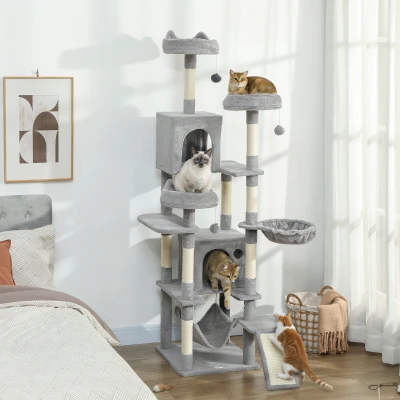
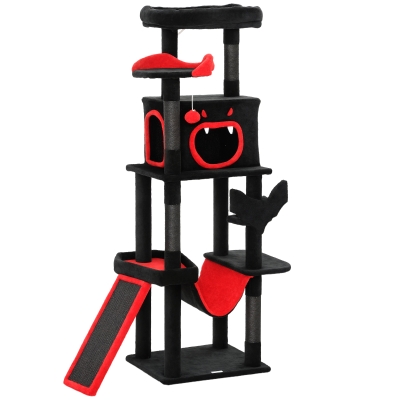
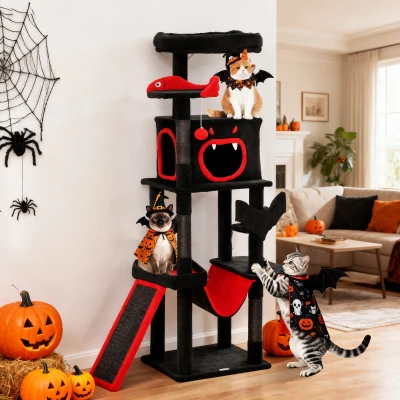
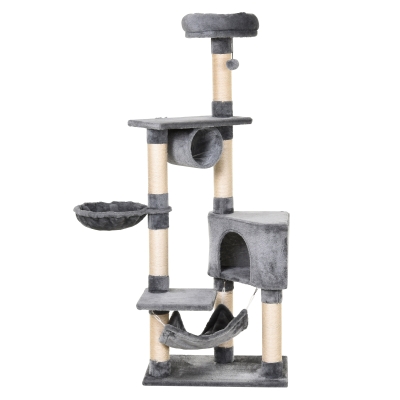
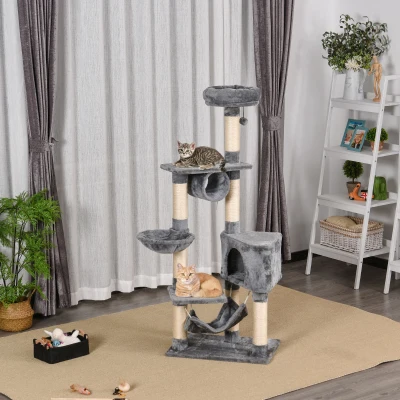
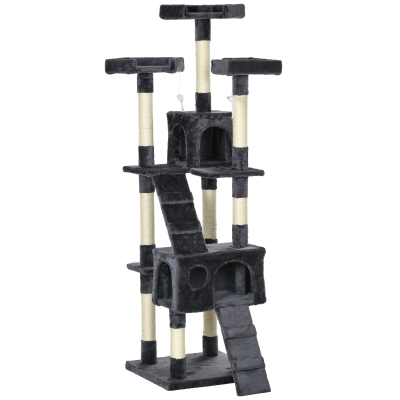
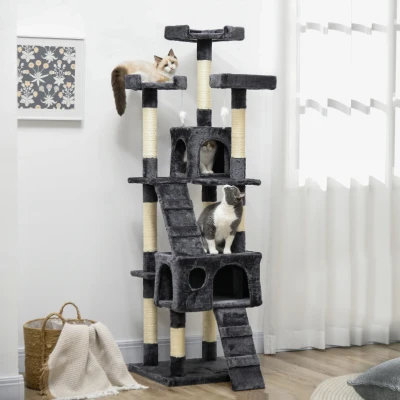
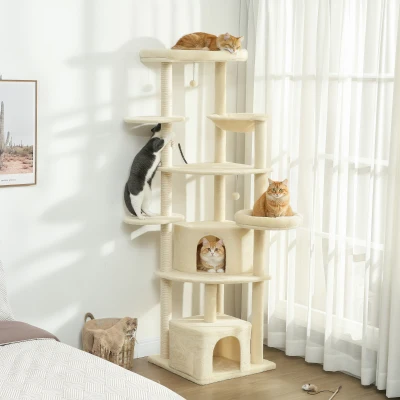
- Large spaces (open-plan living, dedicated cat rooms): Go for a large multi-level cat tree (180-200 cm) with multiple perches, condos, hammocks, and scratching posts. The PawHut 202cm Cat Tree with 6 Scratching Posts, 2 Hammocks, 2 Condos provides plenty of room for climbing and lounging.
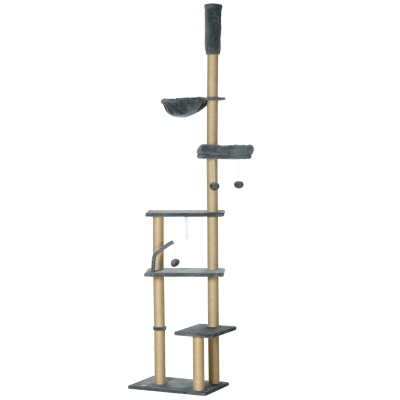
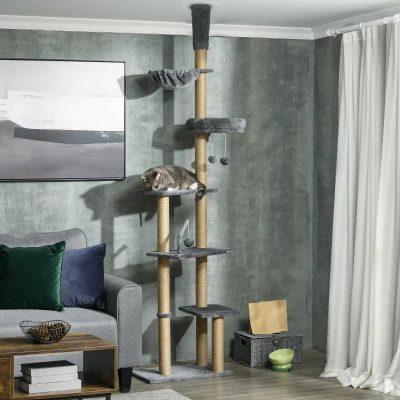
- Ceiling-height options: If you have high ceilings, consider a floor-to-ceiling cat tree that makes use of vertical space without taking up much floor area. The PawHut Floor to Ceiling Cat Tree (adjustable 230-250 cm) is an excellent choice.
2. Consider Your Cat's Behaviour and Preferences
Different cats have different preferences when it comes to climbing, scratching, and resting. Observing your cat's habits will help you choose a cat tree that they will actually use:
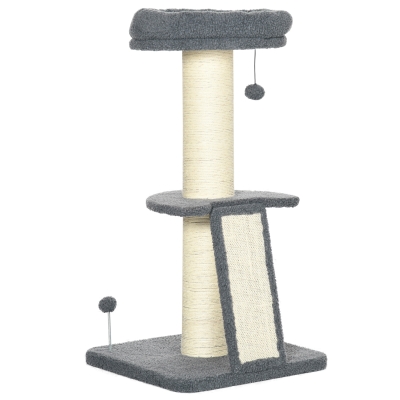
- Scratchers: If your cat loves to scratch, look for a cat tree with sturdy sisal scratching posts. The PawHut Cat Tree with Sisal Scratching Post offers multiple scratching surfaces.
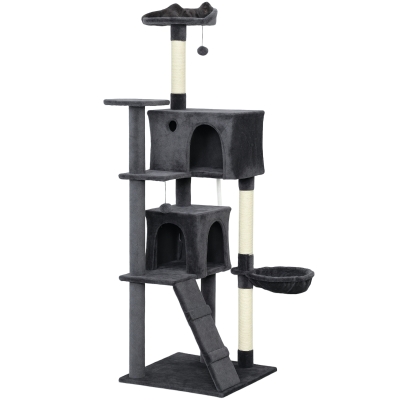
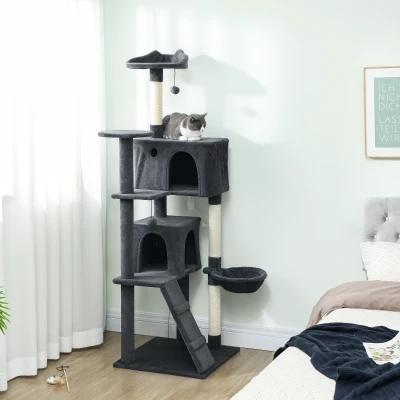
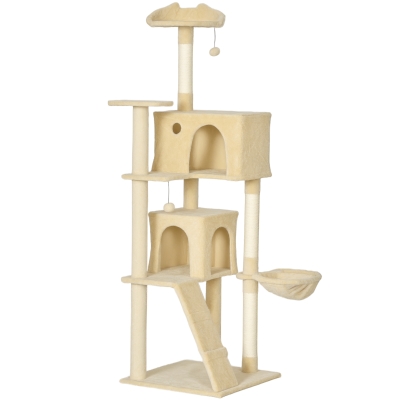
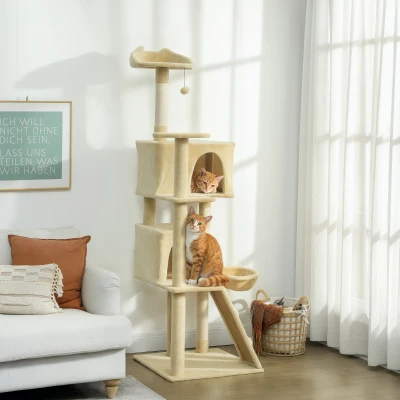
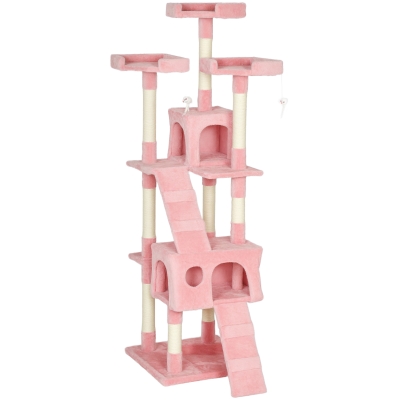
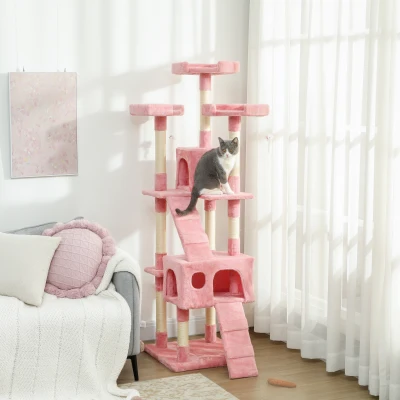
- Climbers: For cats that love to climb, choose a tall tower with multiple platforms and perches. The PawHut 173cm Cat Tree Scratching House provides plenty of climbing opportunities.
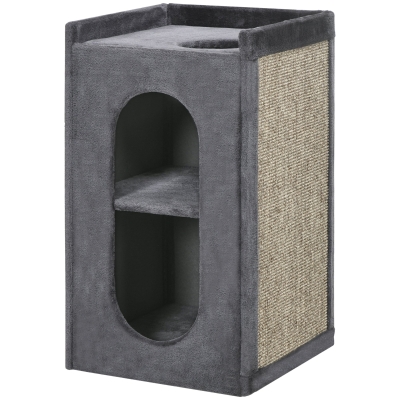
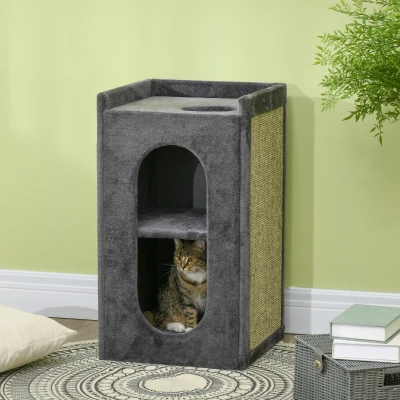
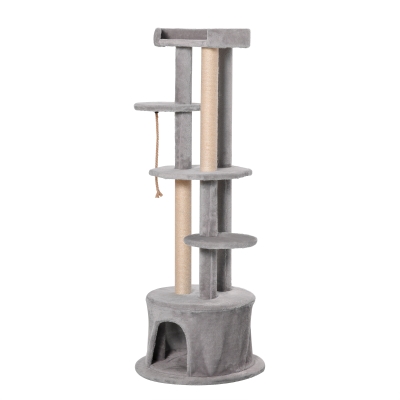
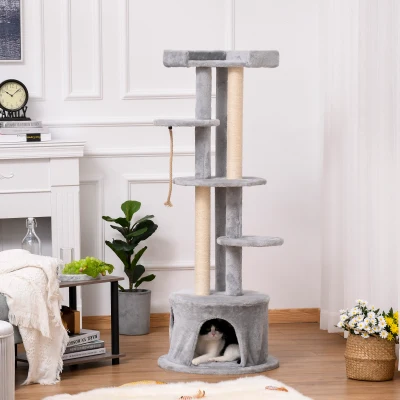
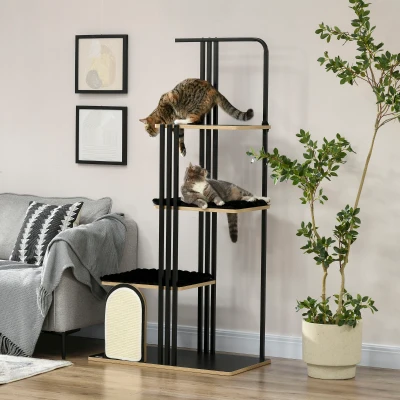
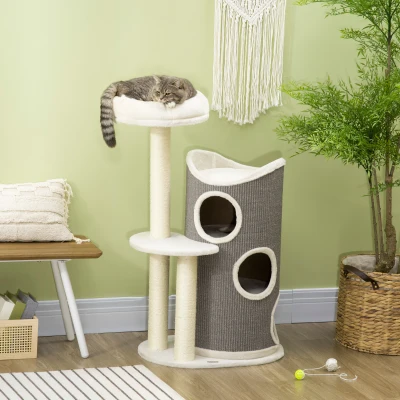
- Loungers: Cats that enjoy lounging will appreciate beds, hammocks, and plush perches. The PawHut Cat Tree with Cat Bed and Scratching Barrel combines sleeping and scratching.
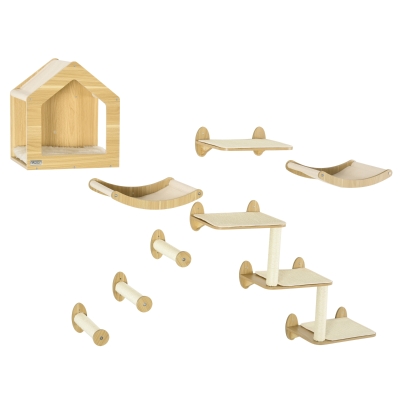
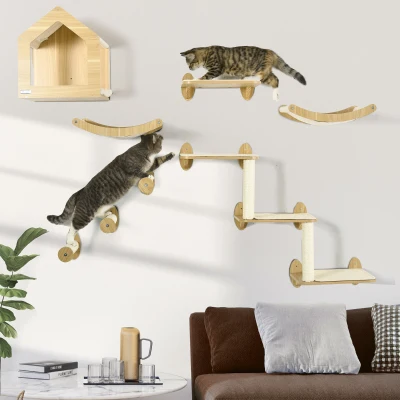
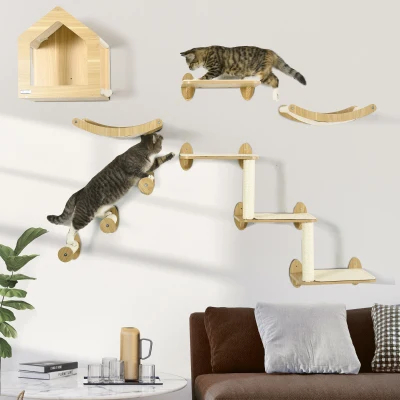
- Wall-mounted options: If floor space is limited, consider wall-mounted cat shelves. The PawHut Wall-mounted cat shelves 6-piece offers a great alternative for vertical exploration.
3. Materials and Stability – What to Look For
A well-built cat tree should be stable and safe. When choosing a cat tree, pay attention to the materials used and the overall construction:
- Frame material: Look for solid wood or robust particle board for the frame.
- Scratching posts: Natural sisal rope is the most durable and attractive material for scratching.
- Base and stability: A wide, sturdy base prevents the tree from toppling over, especially when your cat jumps onto the top perches.
- Fabric: Plush, soft fabric encourages cats to use the beds and perches. Removable covers are a bonus for cleaning.
4. Special Features to Consider
Some cat trees come with extra features that can make them more engaging:
- Hanging toys and pompoms – stimulate playful instincts.
- Hammocks – offer a cosy resting spot.
- Multiple condos – provide hiding and sleeping spaces.
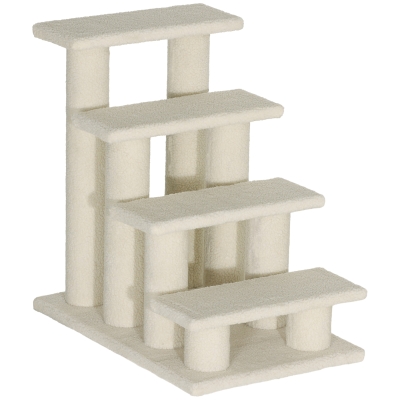
- Ladders or bridges – add extra fun for climbing and exploring.
5. Assembly and Maintenance Tips
- Follow the assembly instructions carefully – a stable cat tree starts with proper assembly.
- Check the screws and connections every few months and tighten them as needed.
- Vacuum the fabric regularly and spot-clean any stains.
Frequently Asked Questions (FAQs)
1. How tall should a cat tree be for my cat?
The ideal height depends on your cat's climbing ability and the available space. Most cats enjoy climbing up to 150-200 cm. Floor-to-ceiling models offer the most vertical exploration. For kittens or older cats, lower towers (80-120 cm) are often more accessible and safer.
2. Do all cats use cat trees?
Most cats will use a cat tree if it's placed in a suitable location and meets their needs. To encourage use, place the cat tree near a window or in a room where the family spends a lot of time. You can also rub catnip on the scratching posts or use treats to attract your cat to the tree.
3. How often should I replace a cat tree?
A well-made cat tree can last 3-5 years or more, depending on usage. If the scratching posts are worn out, the structure becomes unstable, or the fabric is badly torn, it's time to consider a replacement. Some parts, like sisal rope on scratching posts, can be replaced, but a complete replacement is often easier and more cost-effective.