




























How to Choose the Right Chicken Coop for Your Flock
The best chicken coop depends on how many birds you keep, how much outdoor space you have, and how much time you want to spend on daily cleaning. In this category, the key differences come from wooden chicken coop and galvanized metal enclosure designs, as well as built-in features such as a run, nesting box, perches, slide-out tray, ramp, lockable door, and water-resist cover. Choosing the right structure early makes it easier to manage feeding, egg collection, hygiene, and predator protection over time.
Match the coop size to the number of chickens
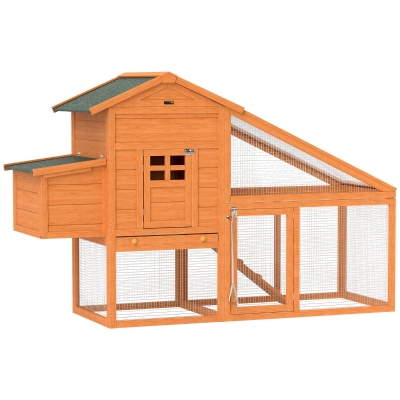
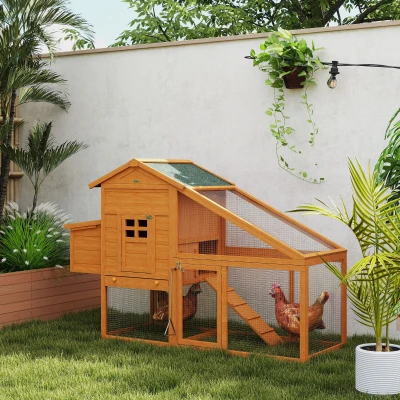
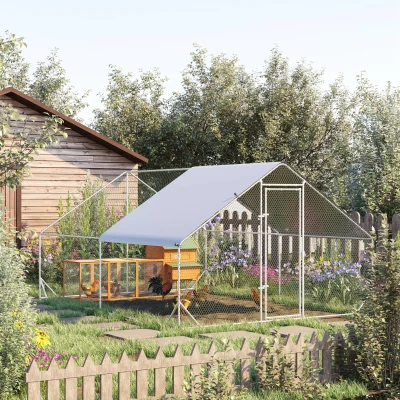
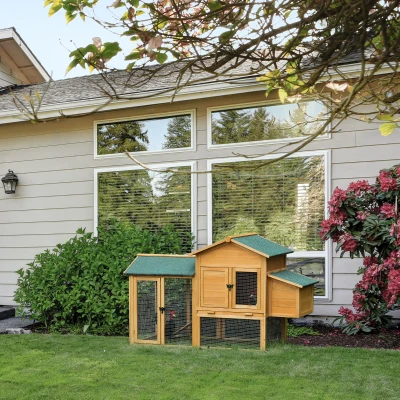
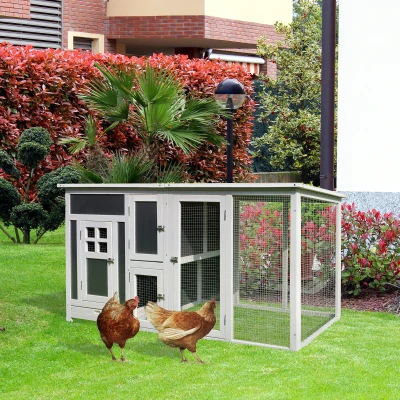
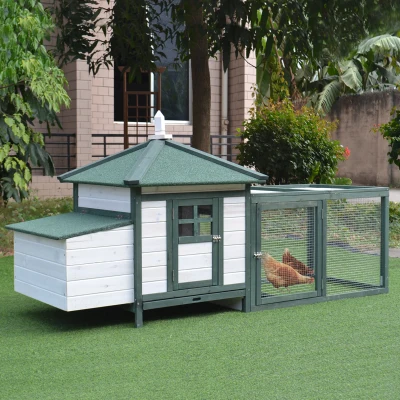
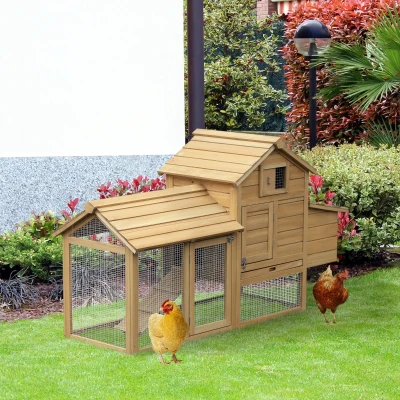
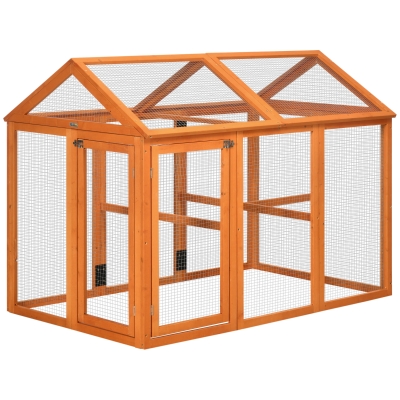
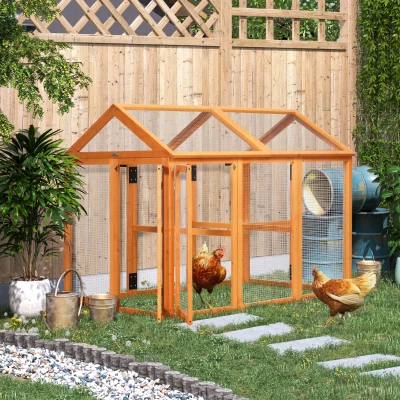
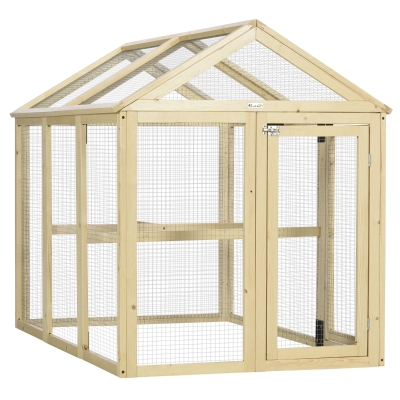
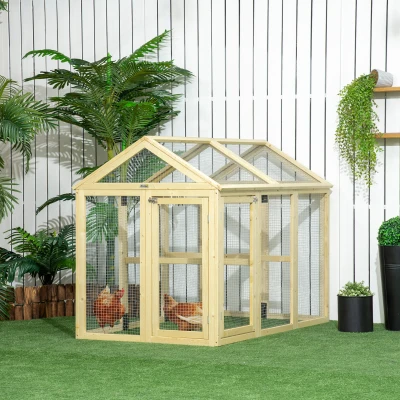
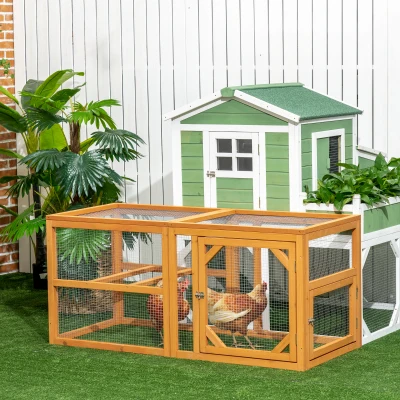
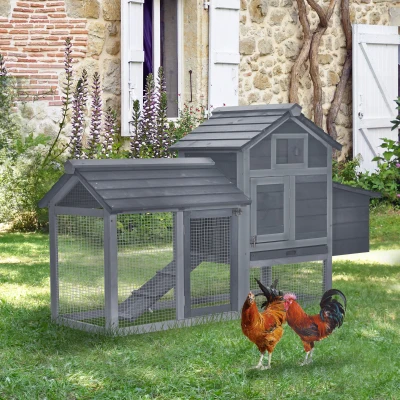
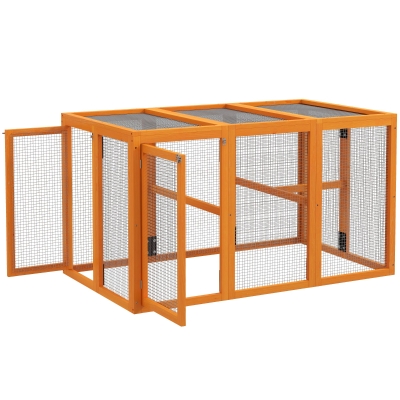
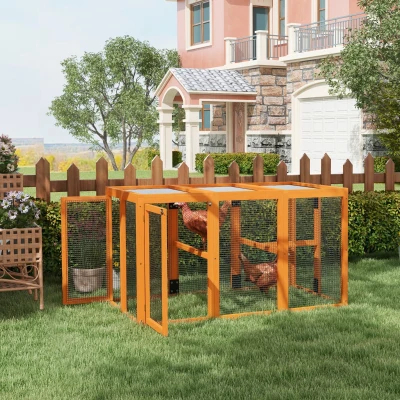
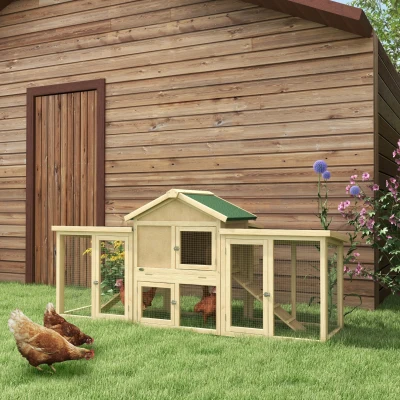
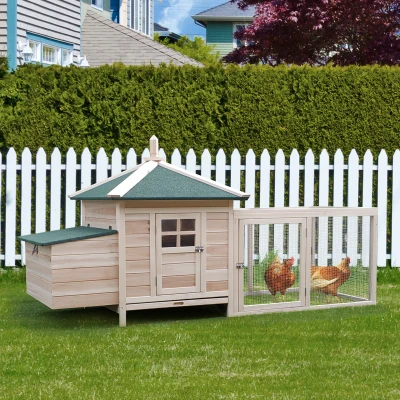
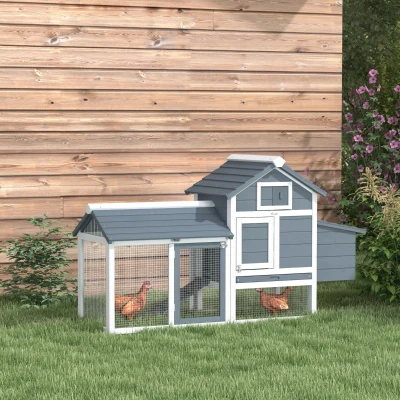
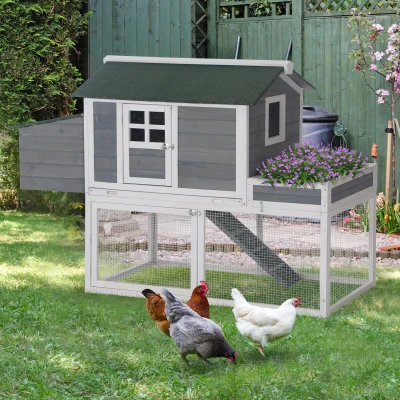
Small flocks usually do well in a compact wooden chicken coop with run, especially when the layout includes a nesting box, perches, and a sheltered sleeping area. For 1 to 3 chickens, a smaller raised coop can work well in a modest garden. For 2 to 4 chickens, a larger coop with a run gives more usable movement space and makes daily care easier. Once you move into 6 to 8 chickens or even 10 to 12 chickens, a walk-in chicken run becomes much more practical because it gives better access for cleaning, feeding, and checking the flock.
Choose wooden or metal based on placement and maintenance
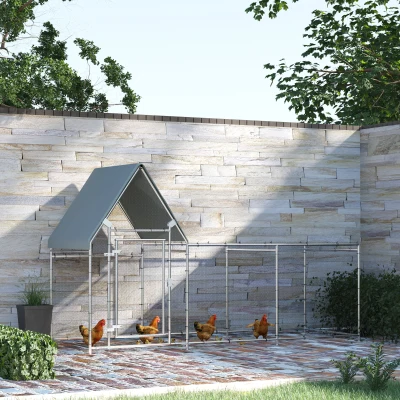
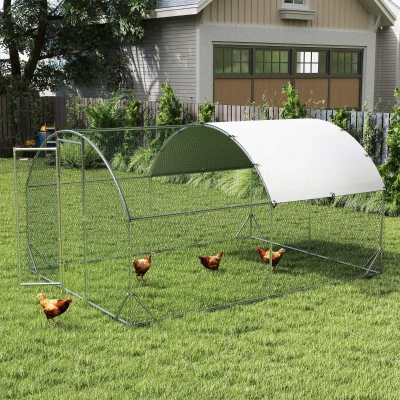
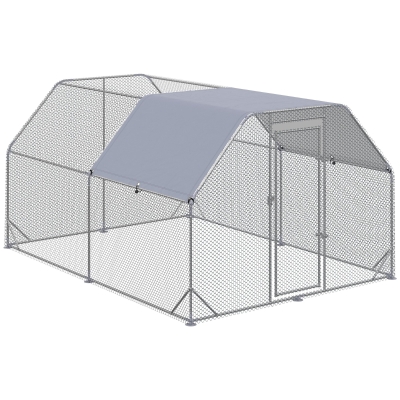
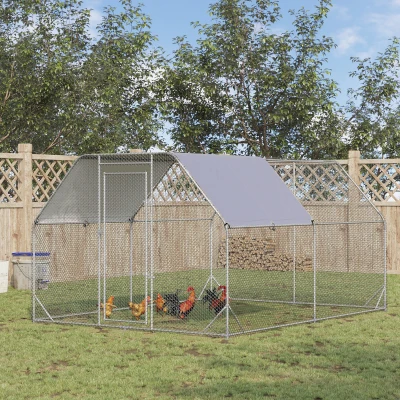
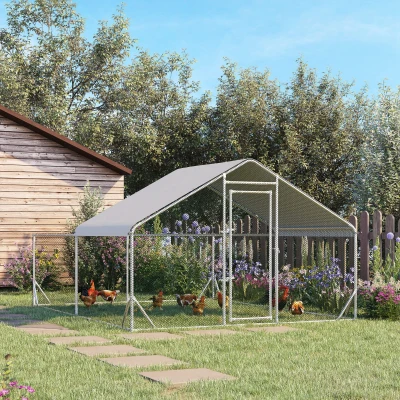
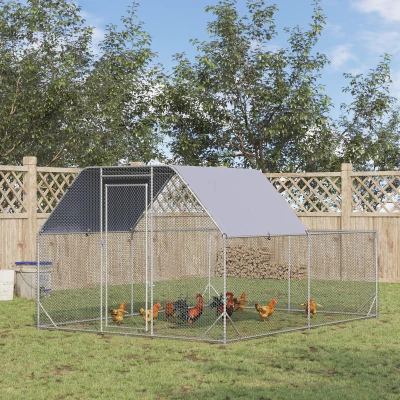
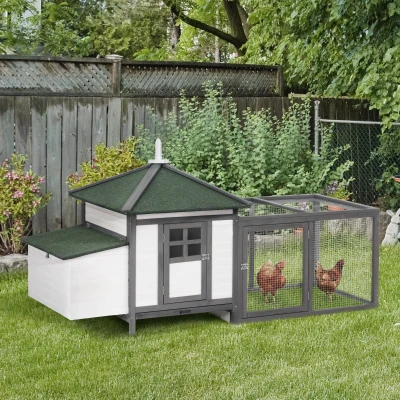
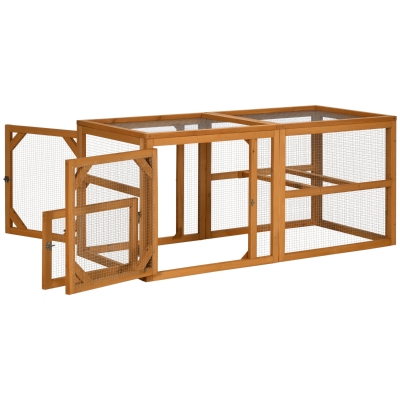
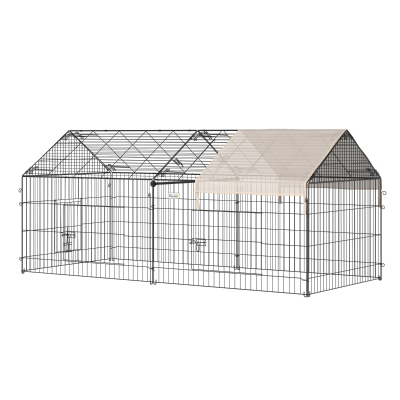
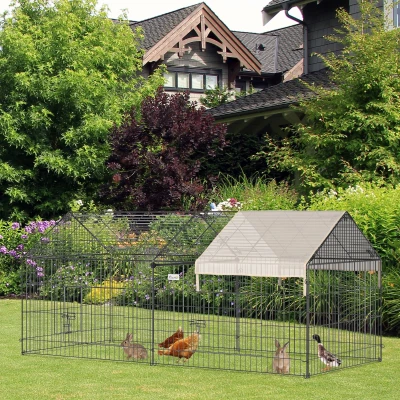
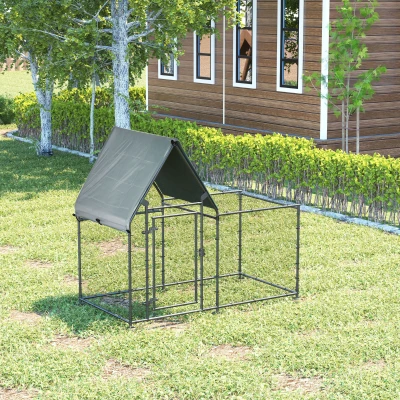
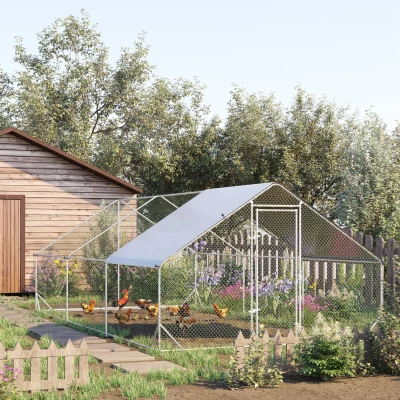
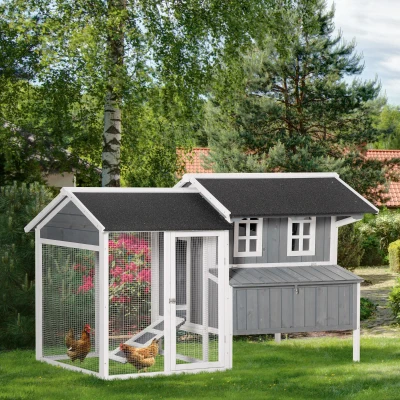
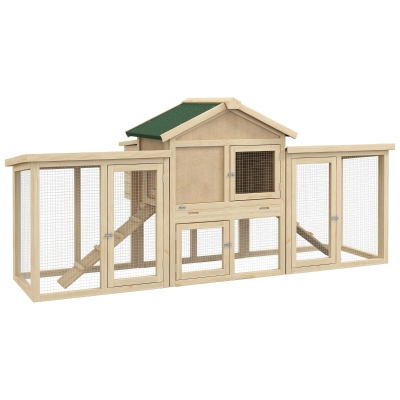
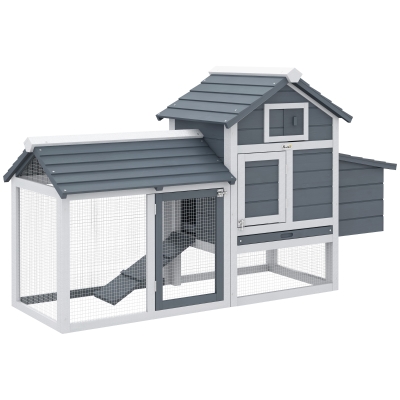
A wooden chicken coop often suits smaller backyard flocks because it provides a more enclosed feel and usually includes practical details such as a nesting box, ramp, and removable tray. Models such as the PawHut Wooden Chicken Coop with Run, Nesting Box, Slide-out Tray, Ramp, Perches, Asphalt Roof are a good example of this more structured layout. A galvanized metal chicken coop or walk-in chicken run is usually the better fit for larger outdoor setups, especially when weather resistance and open movement space are priorities. The PawHut Walk In Chicken Run for 6-8 Chickens Outdoor Galvanized Metal Enclosure shows how this style works well when you need a bigger footprint and easier human access.
| Type | Best For | Main Benefits |
|---|---|---|
| Wooden chicken coop with run | 1-4 chickens, smaller gardens | Includes enclosed shelter, nesting box, perches, and easier egg collection. |
| Walk-in chicken run | 6-12 chickens, larger outdoor spaces | More standing room, better access for cleaning, and more movement space for the flock. |
| Coop with slide-out tray | Daily-use backyard setups | Speeds up waste removal and helps keep the sleeping area cleaner. |
| Coop with asphalt roof or water-resist cover | Outdoor use in mixed weather | Improves protection from rain and helps keep interior areas drier. |
| Combinable design | Owners planning to expand later | Makes it easier to extend the run or adapt the layout as the flock grows. |
Focus on the features that affect daily care
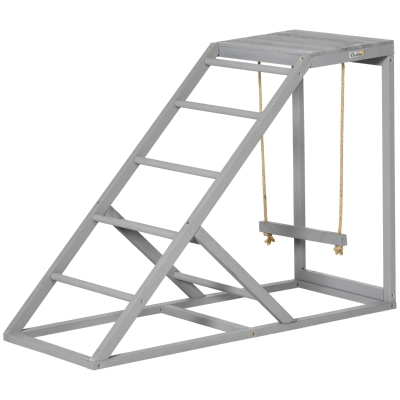
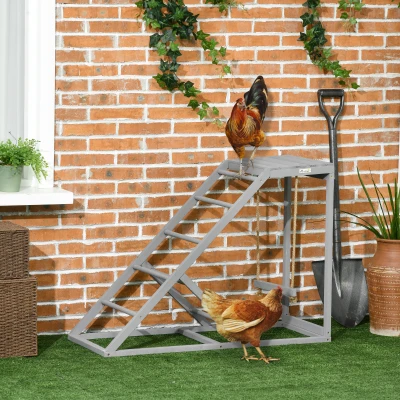
A good hen house should not only house the birds overnight; it should also make your routine easier. A slide-out tray reduces the time needed for cleaning. A lockable door helps improve night-time security. Perches support natural roosting behaviour, while a nesting box keeps eggs cleaner and easier to collect. If your coop sits fully outdoors, an asphalt roof, PC roof, or water-resist cover helps protect the interior from wet conditions.
Think ahead if you plan to grow your flock
Many first-time buyers start with a small chicken coop with run and then find they need more room within a few months. That is why combinable design options are useful. They give you more flexibility to expand the protected area without replacing the entire structure. If you expect to move from 2-4 chickens to a larger backyard flock, it can be worth choosing a layout that leaves room for an extra run, a separate feeding zone, or support equipment for more consistent daily care.
FAQ
1. How many chickens can one coop hold comfortably?
It depends on both the enclosed sleeping area and the run size. As a practical guide, a small coop is usually better for 1-3 chickens, medium wooden designs often suit 2-4 chickens, and larger walk-in chicken runs are more suitable for 6-8 chickens or 10-12 chickens when paired with enough shelter. If the flock spends long hours inside the enclosure, choose the larger option rather than the minimum stated capacity. Overcrowding leads to messier nesting boxes, more pecking, and faster wear on flooring and perches.
2. Is a wooden chicken coop or a galvanized metal chicken run better?
A wooden chicken coop is often the better choice for smaller flocks that need a sheltered sleeping and laying area with features such as a nesting box, ramp, and slide-out tray. A galvanized metal enclosure works better when you need a larger outdoor run, more standing space, and stronger weather resistance. For many backyards, the most practical setup is a sheltered coop for sleeping plus a larger run for daytime movement. If you live in a wetter area, check the roof covering and place the structure on well-drained ground to reduce damp buildup.
3. How do I keep a chicken coop clean and easy to maintain?
Start with features that simplify the routine, such as a slide-out tray, lockable door, and easy-access roof or run panels. Remove droppings from trays and perches several times a week, refresh bedding in the nesting box regularly, and inspect corners for trapped moisture after heavy rain. A quick weekly clean is usually easier than waiting for a full deep clean once the interior becomes heavily soiled. For outdoor longevity, check roof edges, mesh joins, and door latches every 2 to 4 weeks, especially on coops exposed to wind and rain year-round.