





























Buying Guide: Materials and Safety – How to Choose Safe and Durable Kids Furniture
When it comes to furnishing your child's room, safety and durability should be at the top of your priority list. Children spend hours playing, drawing, and studying at their furniture – and it needs to withstand falls, scratches, and daily wear and tear, without compromising your little one's health. This guide focuses on the materials and safety features that make a difference when choosing kids' tables, chairs, desks, and other furniture. Discover what to look for to ensure a safe, healthy, and long-lasting environment for your children.
1. Materials: Solid Wood vs. MDF vs. Others
The material of the furniture affects not only durability but also indoor air quality and safety in case of impact. Here's a comparison of the most common materials used in children's furniture:
| Material | Advantages | Disadvantages | Best For |
|---|---|---|---|
| Solid Wood (Pine, Beech, etc.) | Durable, natural, repairable, no toxic emissions | More expensive, can scratch or warp with moisture | Long-lasting furniture, high-use children's rooms |
| MDF (E0/E1 certified) | Affordable, smooth surface, good paint adhesion, stable | Less impact-resistant, can swell with moisture | Good value furniture, moderate use |
| Particleboard (low-emission) | Very affordable, lightweight | Less durable, more susceptible to moisture damage | Temporary furniture, low-budget items |
| Plastic (Polypropylene, PE) | Lightweight, washable, won't splinter | Less stable, can deform over time | Chairs and tables for very young children (under 3) |
Important tip: Always check the certification of MDF or particleboard – E0 or E1 grades guarantee low formaldehyde emissions and are the safest for children's environments.
2. Essential Safety Features to Look For
A piece of furniture can be beautiful and functional, but without proper safety features, it can pose a risk. Before buying, check if the product includes:
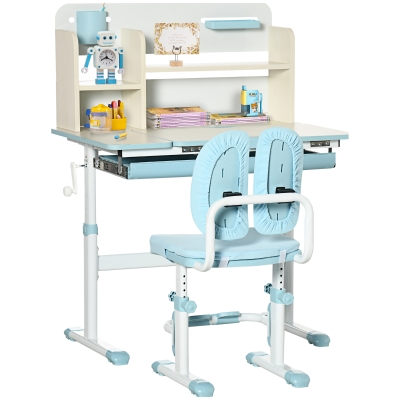
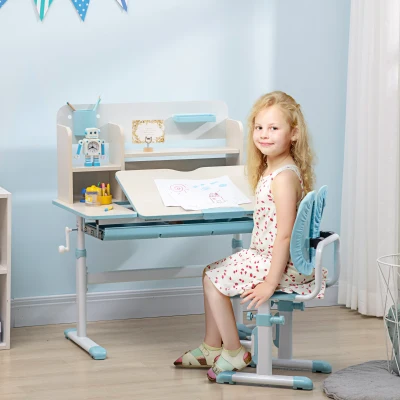
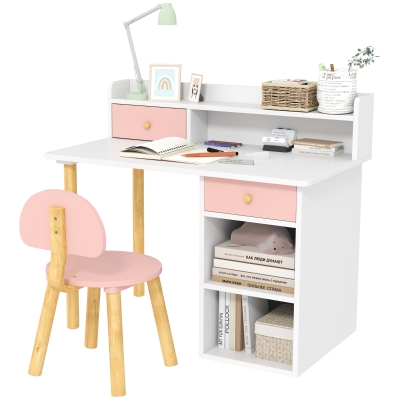
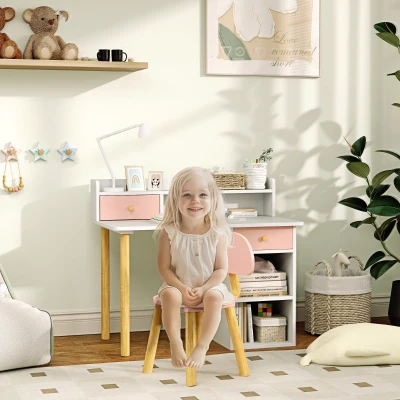
- Rounded corners – reduce the risk of injury from bumps or falls. Many HOMCOM and AIYAPLAY models already include this feature.
- Stable, non-slip base – to prevent the furniture from sliding or tipping when your child leans on it.
- Locking mechanisms (safety latches) – on drawers and doors, to prevent them from closing suddenly and pinching little fingers.
- Anti-tip design – furniture with a wide base or wall-mount fixing kit (included or recommended) is essential to prevent accidents.
- Non-toxic paints and varnishes – water-based, free from solvents or heavy metals. Look for "non-toxic paint" or "water-based paint" labels.
3. Safety Checklist for a Secure Purchase
Before finalising your purchase, do a quick check with this list:
- □ Does the furniture have low formaldehyde emission certification (E0/E1)?
- □ Are the edges and corners rounded or protected?
- □ Is the structure stable and does it not tip easily?
- □ Do drawers and doors have a soft-close mechanism?
- □ Are paints and varnishes water-based and non-toxic?
- □ Does the furniture include a wall-mounting kit (or is one recommended)?
- □ Is the material scratch-resistant and easy to clean?
4. Examples of Safe and Durable Kids Furniture
In our range, you'll find several options that combine design, functionality, and safety. Here are some representative examples:
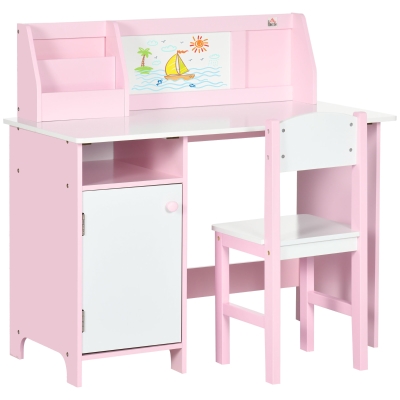
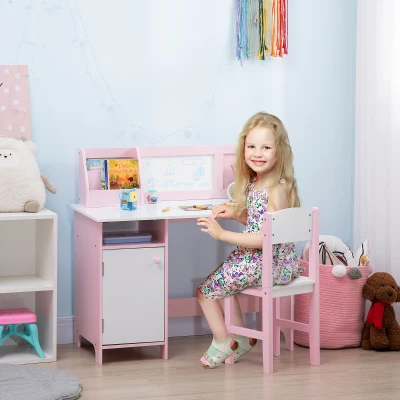
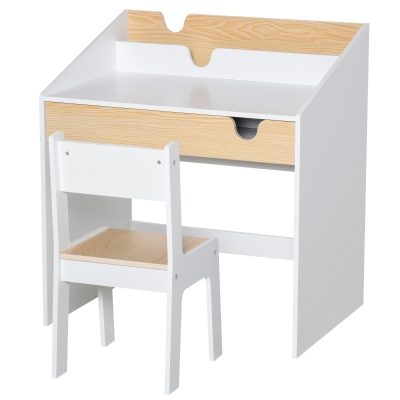
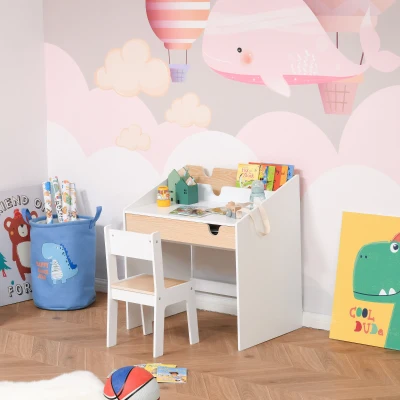
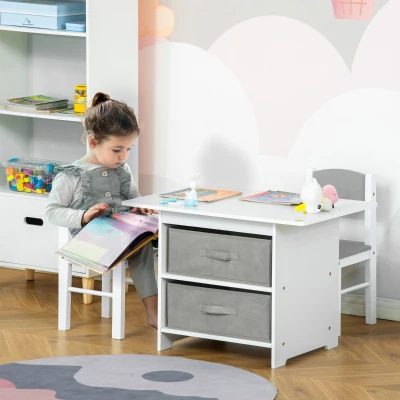
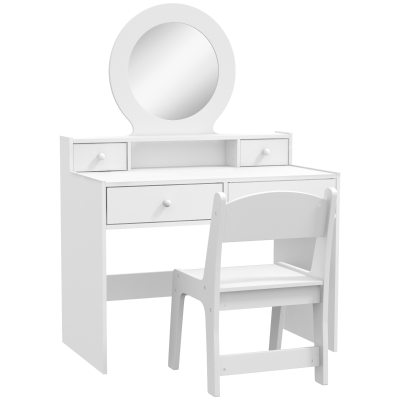
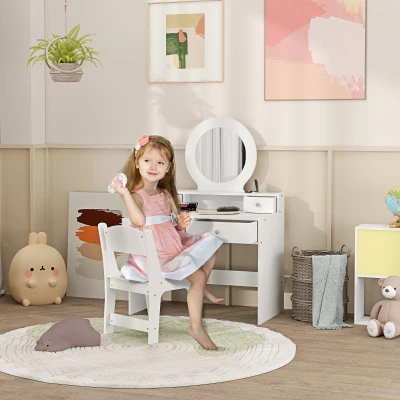
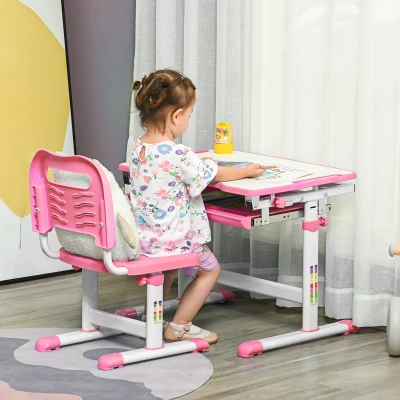
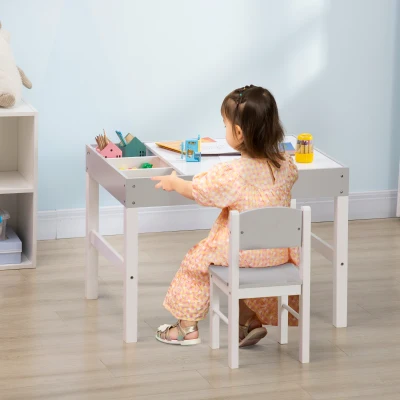
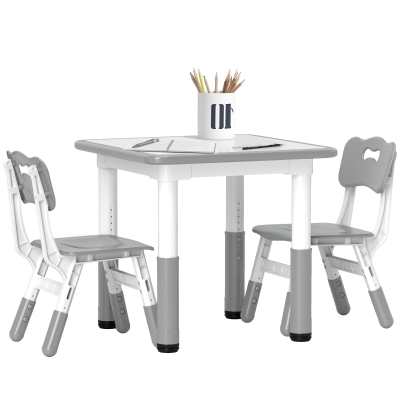
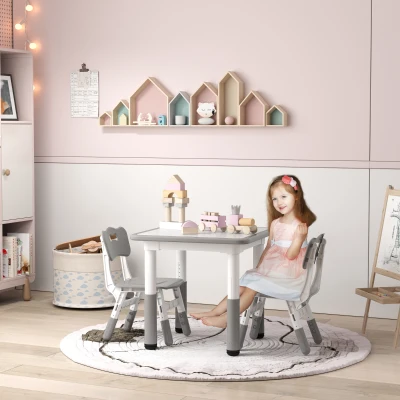
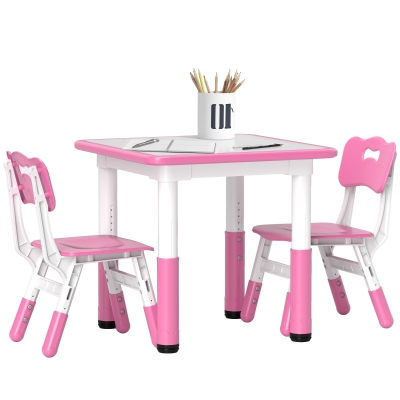
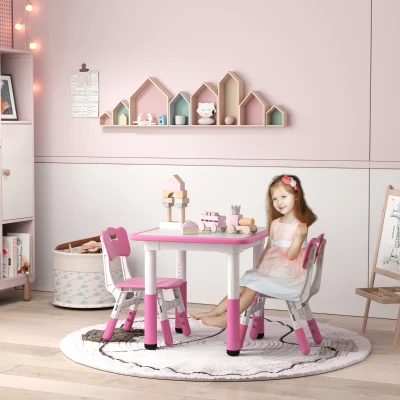
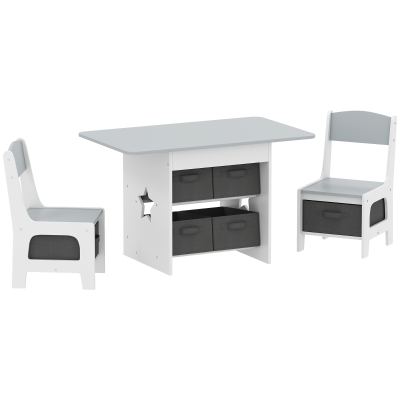
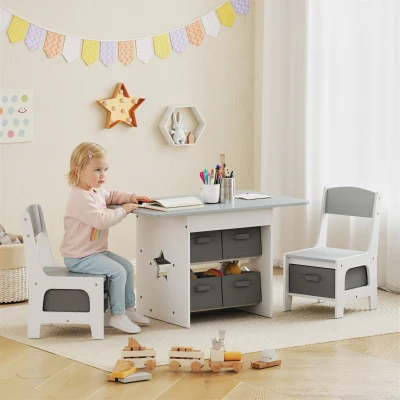
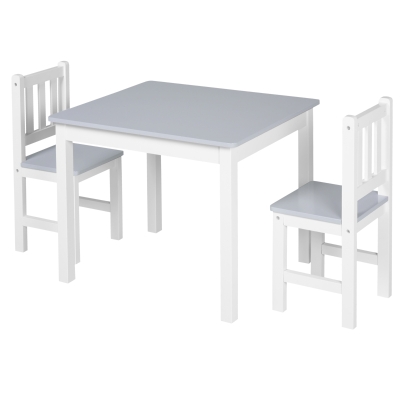
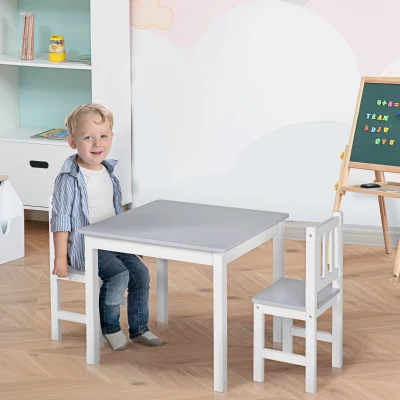
- HOMCOM Kids Table and Chair Set w/ Whiteboard – solid wood with rounded corners, includes a whiteboard for creative activities.
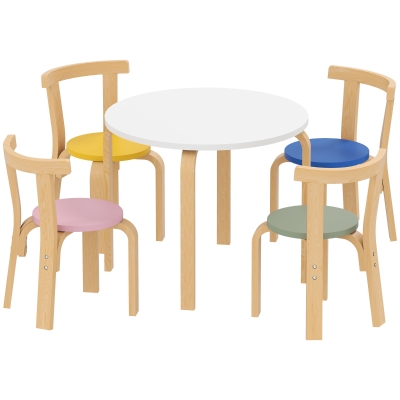
- AIYAPLAY 5 Piece Kids Table and Chairs Set – sturdy MDF set with certified materials, smooth edges, and non-slip feet.
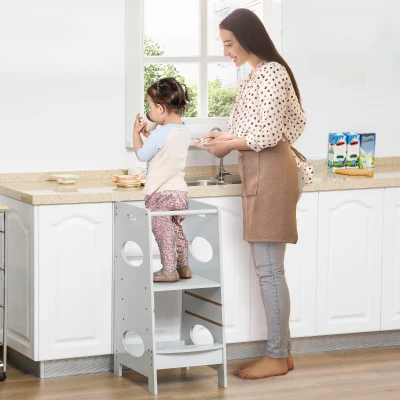
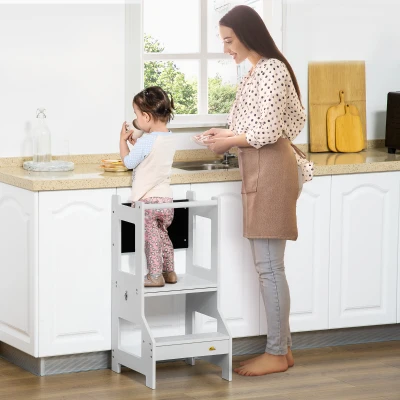
- HOMCOM Kids Step Stool with 3 Adjustable Platform Heights & Safety Rail – stable MDF structure with a safety rail, ideal for the kitchen or bathroom.
All these models are made with safe materials and include features designed for children's well-being.
5. Maintenance and Care to Extend Lifespan
To ensure the furniture remains safe and beautiful for years, follow these recommendations:
- Regular cleaning – use a damp cloth with mild soap. Avoid abrasive products that could damage the finish.
- Periodic inspection – every 6 months, tighten screws and check the furniture's stability.
- Protect against moisture – in humid areas like bathrooms, choose materials with anti-moisture treatment.
- Repair minor damage – if the paint chips, use a non-toxic varnish or paint to touch it up and prevent exposure of the base material.
Frequently Asked Questions (FAQs)
1. How do I know if MDF in a children's furniture piece is safe?
Check the material certification – E0 or E1 grades indicate low formaldehyde emissions and are the safest for children. This information is usually in the product description or specification sheet. If you're unsure, contact the manufacturer.
2. Is solid wood always safer than MDF?
Not necessarily. Solid wood is natural and durable, but it can splinter or warp. High-quality MDF (E0/E1) is stable, smooth, and also safe as long as it has a non-toxic finish. Both can be safe if well-made and properly maintained.
3. What should I do if the furniture doesn't have an anti-tip system?
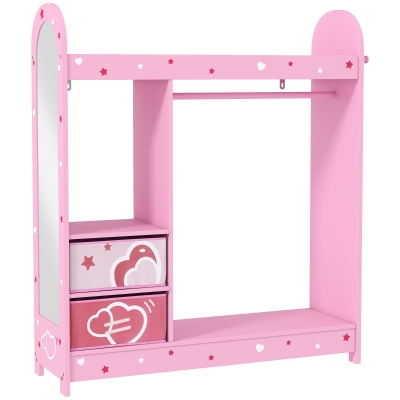
If the furniture doesn't include a wall-mounting kit, we recommend purchasing a universal safety system (straps or brackets) to secure it to the wall. This is especially important for tall furniture (like shelves or wardrobes) or in homes with young children.