
















Shoe Benches Buying Guide: How to Choose the Right Storage Bench for Your Hallway
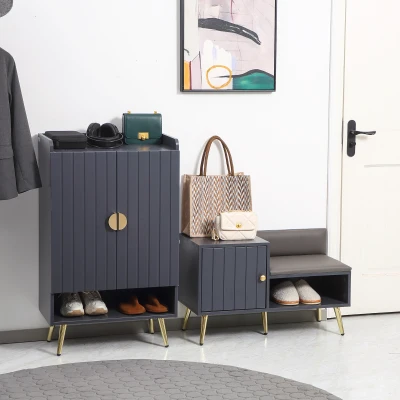
A well-chosen shoe bench helps organise busy entryways without making the space feel overcrowded. In smaller hallways, it creates a practical place to sit while putting shoes on, while also keeping everyday pairs tidier through open shelves, flip drawers, cupboards, or multi-compartment storage. This category includes everything from bamboo shoe benches and MDF storage benches to designs with a padded seat, linen-look upholstery, cane fronts, and even larger options for 8 pairs, 10-shoe storage, or 14 compartments.
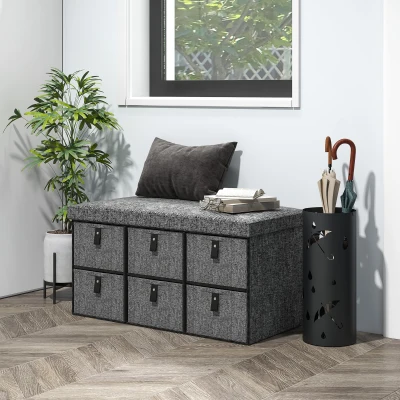
When comparing styles, start with how your hallway is used. Some homes need quick-access storage for everyday trainers and slippers, while others benefit more from closed compartments that keep the entrance looking neater. A shoe bench works best when it balances seating comfort, storage capacity, and a layout that still leaves enough room to move through the hallway easily.
1. Choose the right storage format for your daily routine
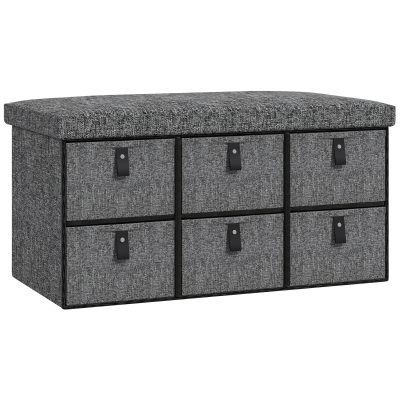
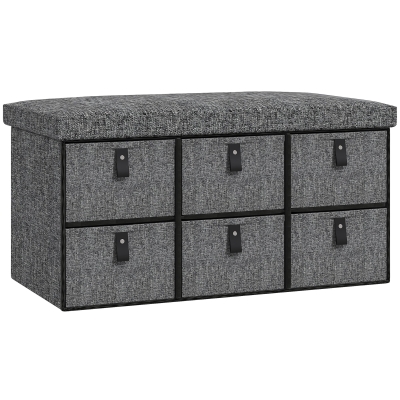
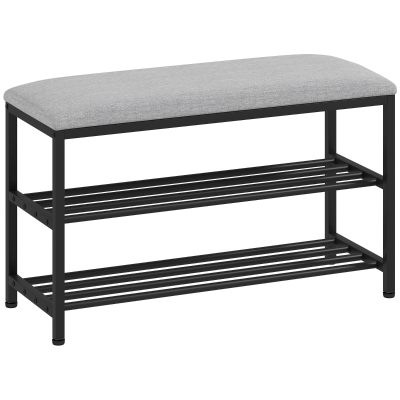
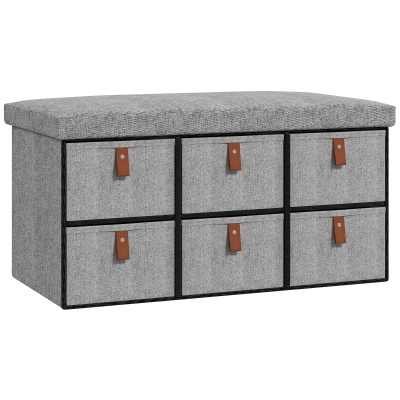
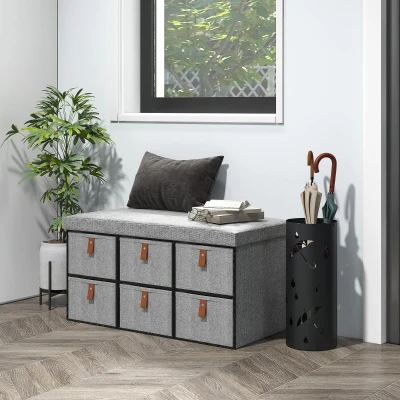
The best storage style depends on what you want to hide and how quickly you need access. Open shelf shoe benches are practical for busy households because shoes can air out naturally and are easy to grab on the way out. Flip drawers and cupboards create a tidier look, which works well in more visible entryways or shared living spaces. If you need to sort several types of footwear, a multi-compartment shoe bench or a design with fabric drawers can make it easier to separate trainers, flats, children’s shoes, and seasonal items.
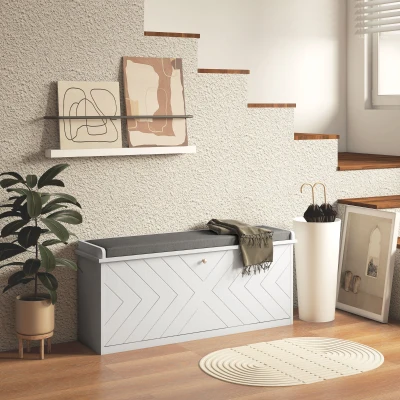
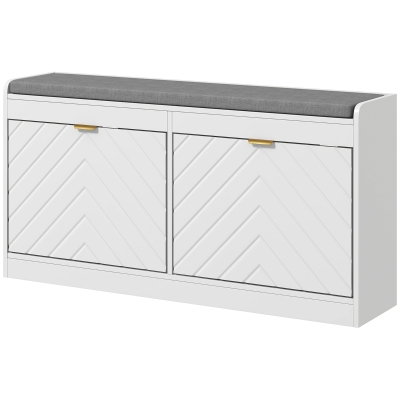
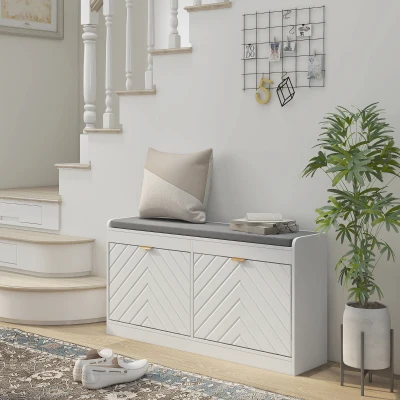
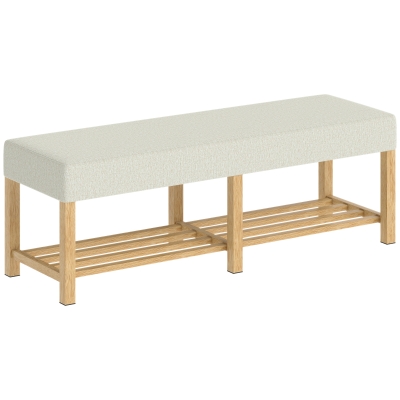
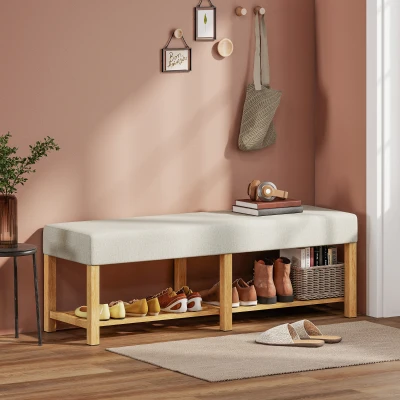
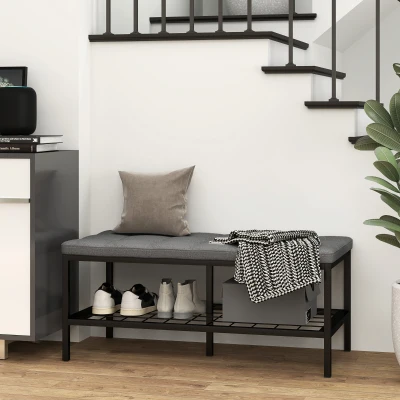
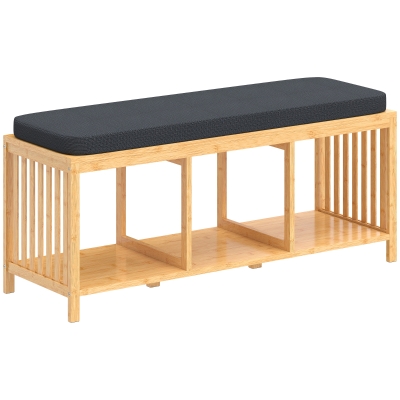
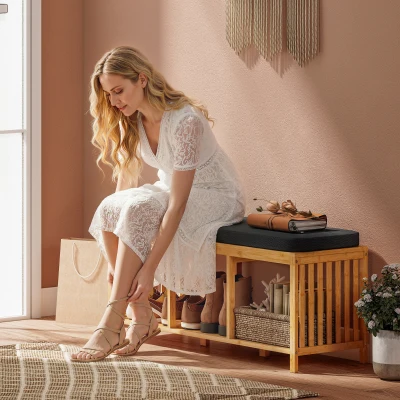
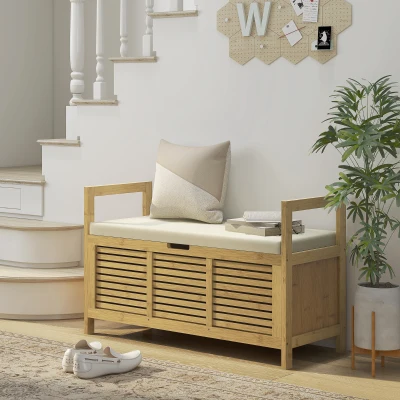
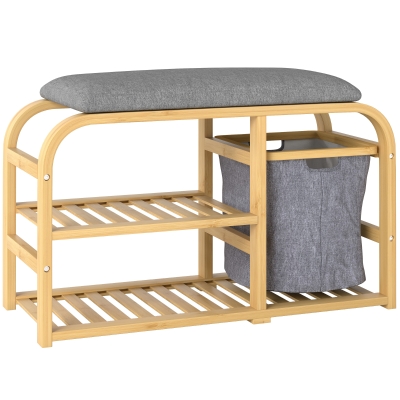
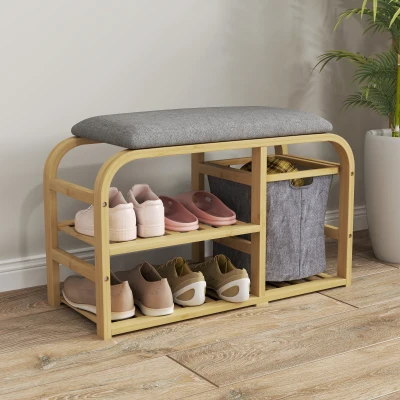
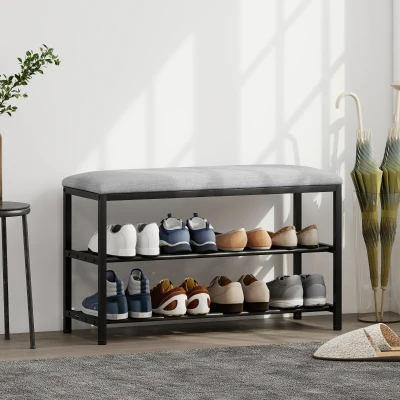
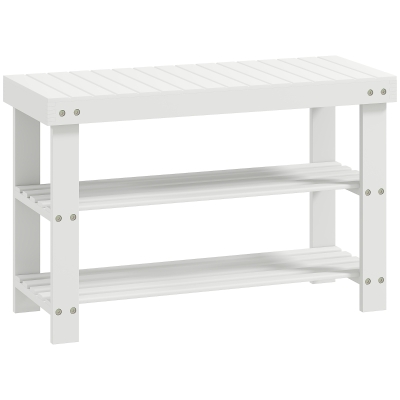
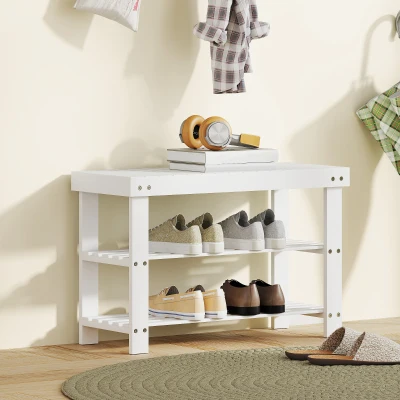
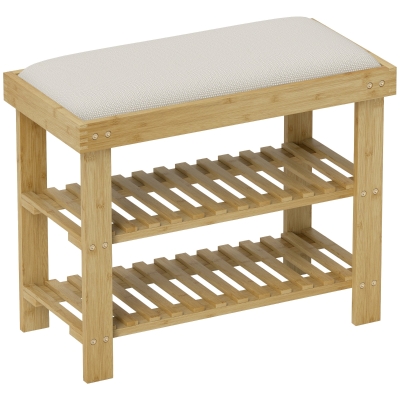
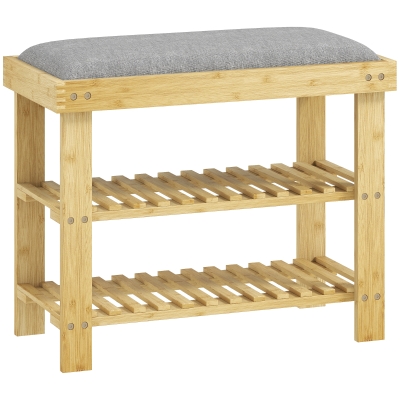
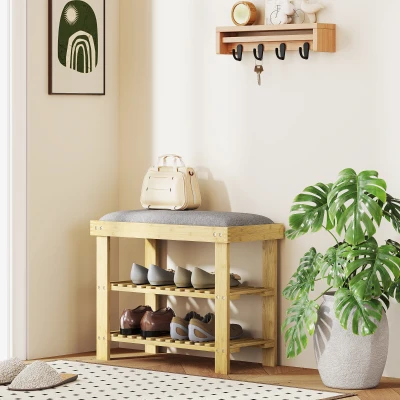
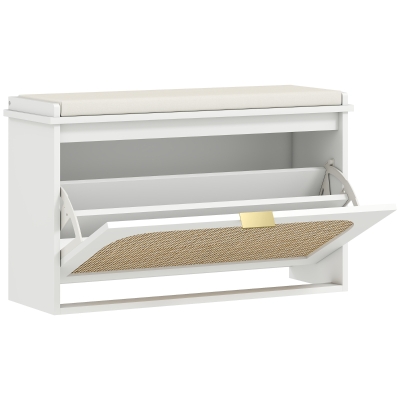
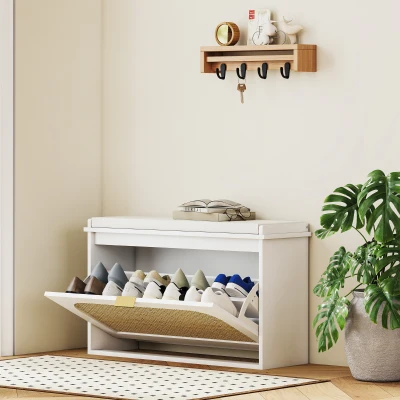
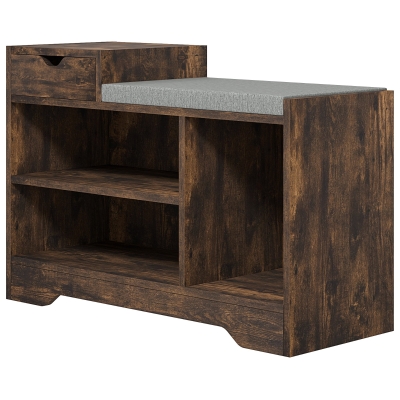
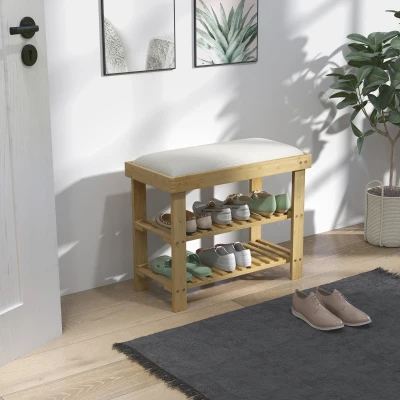
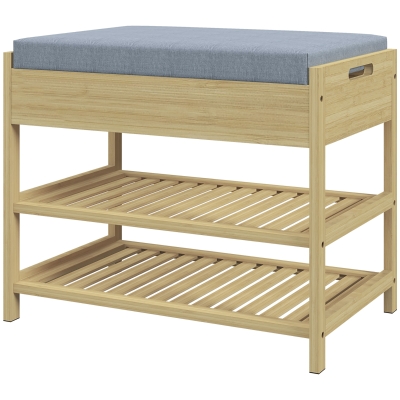
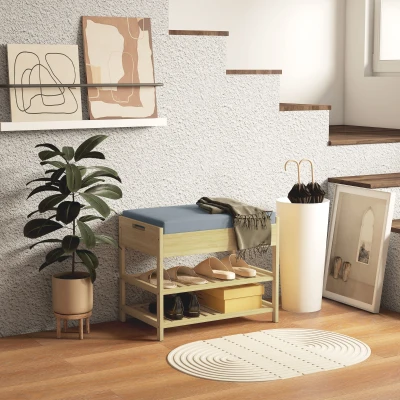
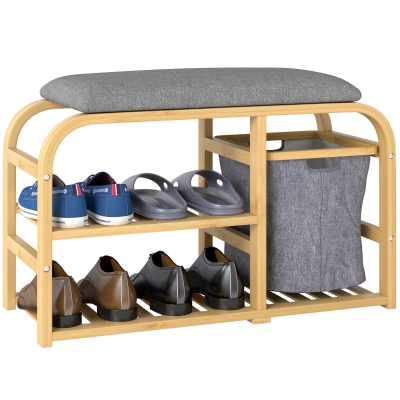
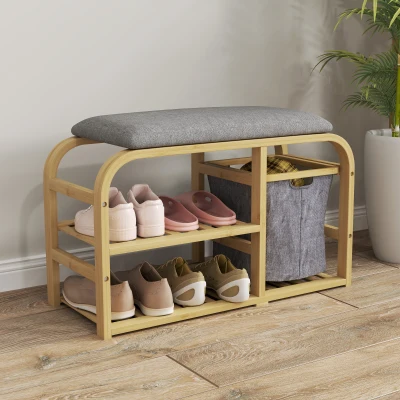
For example, the HOMCOM Shoe Storage with Seat, Upholstered Entryway Bench, Shoe Bench with 2 Flip Drawers and 2 Vents for 8 Pairs of Shoes suits households that want a cleaner front-facing look with hidden storage. By contrast, the HOMCOM Bamboo shoe bench, hallway bench with padded seat cushion and open shelf, natural wood look is a practical option when easy daily access matters more.
2. Think carefully about seat comfort and bench height
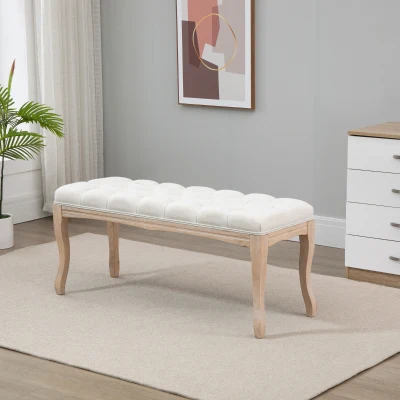
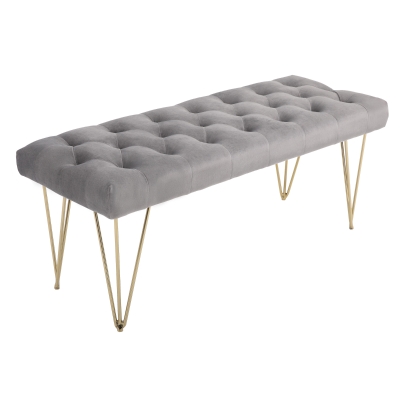
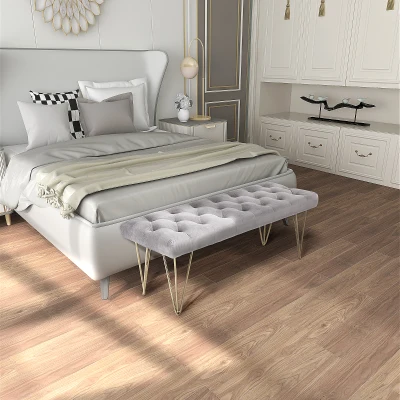
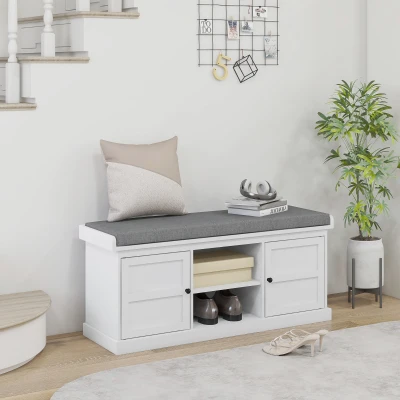
A shoe bench is not only for storage. It also needs to function as a reliable place to sit while changing shoes, holding a bag, or pausing briefly when arriving home. Many shoppers prefer a padded seat because it feels more comfortable than a hard surface, especially in family hallways where the bench gets used several times a day. Upholstered options in linen fabric, linen-look, or velvet look can also soften the overall appearance of the space.
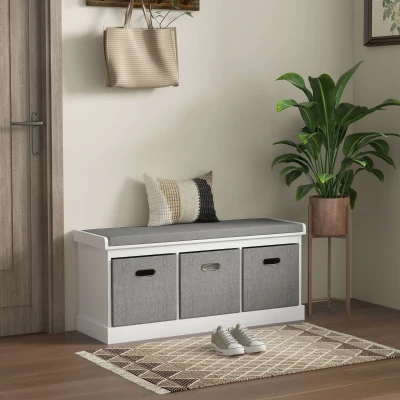
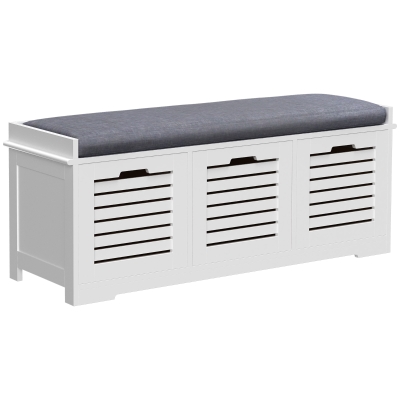
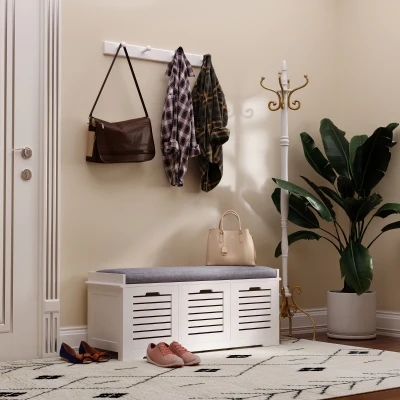
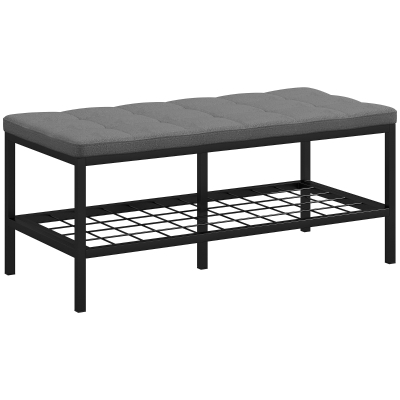
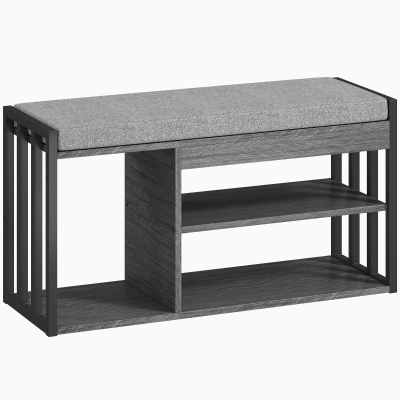
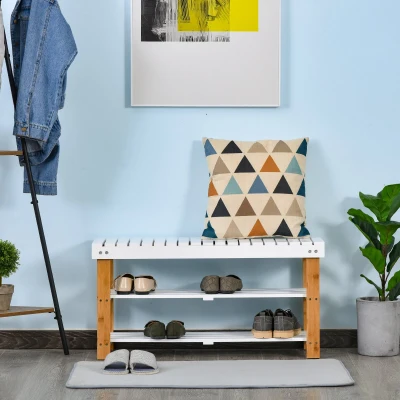
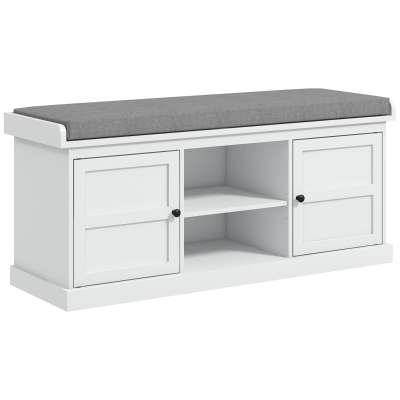
In most homes, a comfortable shoe bench height is around 46-50 cm. That range usually makes sitting down and standing up feel natural while still leaving enough room for shelves or drawers underneath. A product such as the HOMCOM 10-Shoe Storage Bench, with Padded Top Seat - White/Grey works well when you want both comfortable seating and more substantial shoe storage in one piece.
3. Match the capacity to the size of your household
Capacity matters more than many shoppers expect. A narrow bench with storage for 6-9 pairs of shoes may be enough for a couple or a small apartment, but larger households often need a bench with 8 pairs, 10-shoe storage, or even 14 compartments to keep the area from becoming cluttered again within days. It helps to count the number of pairs that regularly stay by the door rather than the total number of shoes in the home.
| Storage Type | Best For | Main Benefit | What to Consider |
|---|---|---|---|
| Open Shelves | Busy daily-use hallways | Fast access and better airflow | Visible shoes can make the space look less tidy |
| Flip Drawers | Neater entryways and modern interiors | Conceals shoes and reduces visual clutter | May suit flatter shoes better than bulky boots |
| Cupboards / Cabinets | Family homes and shared spaces | Cleaner look and more enclosed storage | Check internal shelf layout before buying |
| Multi-Compartment Bench | Homes with mixed footwear types | Easier sorting by user or shoe type | Needs a little more planning to use efficiently |
4. Compare materials for durability, care, and style
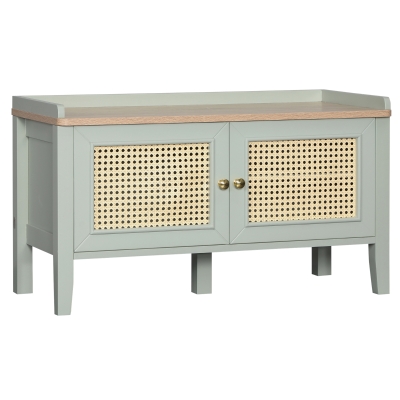
Material affects both maintenance and appearance. Bamboo shoe benches offer a lighter natural look and often suit Scandinavian-inspired or relaxed interiors. MDF frames are common in painted designs and can work well in white, grey, or rustic finishes. Details such as rubber wood legs, cane fronts, and aluminum alloy handles can change the feel of the bench from purely practical to more decorative.
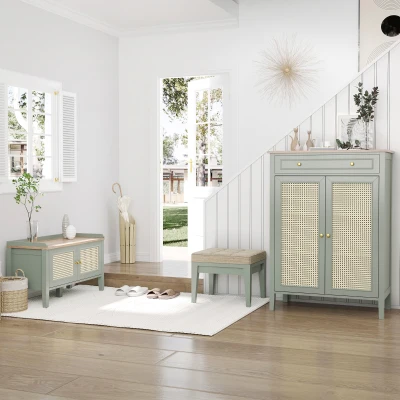
If you want a softer, more furniture-like piece, upholstered styles can help the bench blend into adjacent living spaces. If easy maintenance matters most, a simpler painted storage unit or bamboo frame is often the easier option to wipe down. The right material usually depends on whether you prioritise natural texture, softer seating, or low-effort cleaning in a busy hallway.
5. Check the dimensions before choosing a hallway bench
A shoe bench needs to fit the room without interrupting movement near the front door. In narrower entrances, a depth of around 26-35 cm is often easier to place, while wider family hallways can usually take designs closer to 40-44 cm deep. Width matters too: compact benches around 55-80 cm are useful in tighter spaces, while longer designs around 100-140 cm can deliver more storage and seating in one unit.
Always measure the clear walkway after the bench is placed. Try to maintain at least 75-90 cm of passing space where possible, especially if the hallway is a main route through the home. This helps prevent a storage bench from becoming an obstacle rather than a solution.
6. Look for extra features that improve everyday use
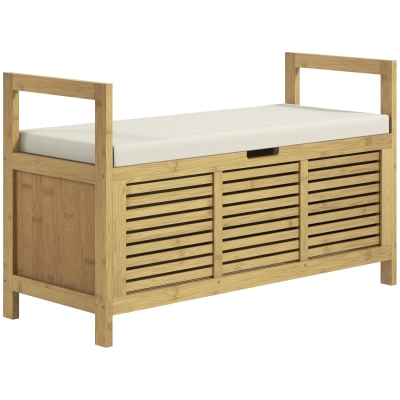
Some of the most practical shoe benches include more than shelves alone. A seat cushion adds comfort, vents support airflow in closed storage, and details such as a sliding fabric basket or hidden storage compartment can help store accessories like scarves, gloves, shopping bags, or shoe care items. In households with changing seasonal storage needs, models with multiple sections can keep daily shoes separate from less frequently used pairs.
The key is to choose a design that solves your storage problem without sacrificing comfort, durability, or the overall flow of the room. A good shoe bench should make daily routines easier while helping the hallway look more organised from the moment you walk in.
FAQ
1.How do I choose the right shoe bench for my hallway?
Start by measuring the available width and depth of the space, then think about how many pairs of shoes need to stay there every day. For a narrow entryway, a bench around 26-35 cm deep is usually easier to place. Open shelves are useful for quick access, while flip drawers or cupboards create a neater look. If the bench will be used often for sitting, a padded seat and a height of around 46-50 cm usually feel most comfortable.
2.Can you sit on a shoe bench every day?
Yes, most shoe benches are designed to be used as everyday seating as well as storage, but it is important to check the stated weight capacity before buying. For daily use, a model with a padded cushion, stable frame, and secure legs usually feels more comfortable and supportive. If the bench is placed in a busy family hallway, re-tighten visible hardware after the first few weeks of use and then check it every 3-6 months to keep it steady.
3.What is the best height for a shoe bench?
A practical height for most homes is about 46 cm, though some benches sit slightly higher at 48-50 cm. This range usually gives enough room underneath for shelves, drawers, or compartments while still making it easy to sit down and stand up. If you plan to use the bench for children as well as adults, keeping the height close to the lower end of that range often makes it more comfortable for everyone.