





















Hamster Cages by Material, Cleaning Features, and Long-Term Everyday Use
A good hamster cage should stay practical long after the first setup. In this category, the most important differences come from wooden, plastic, and tempered glass elements, as well as easy-care details such as a sliding tray, pull-out tray, openable top, openable roof, detachable deep bottom, and built-in storage shelf. These features affect how simple the cage is to clean, how well it handles bedding, and how comfortably it supports daily movement for dwarf hamsters, gerbils, mice, and other small animals.
Choose wooden hamster cages for a warmer layout and structured interiors
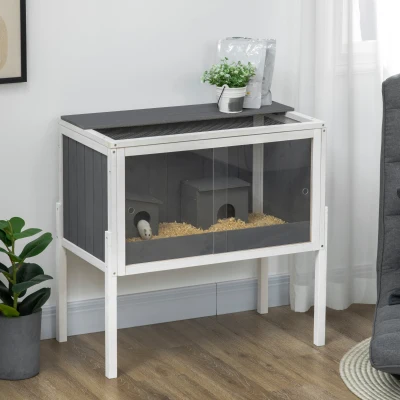
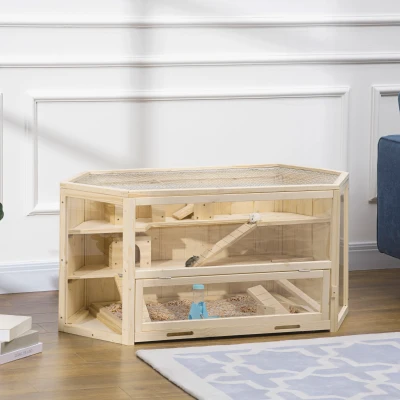
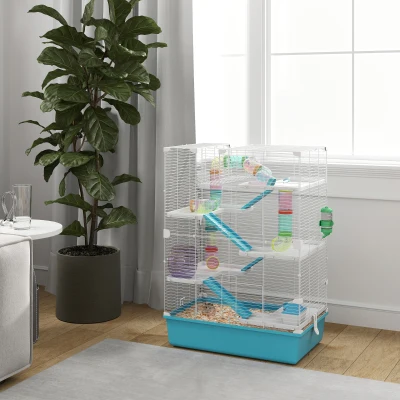
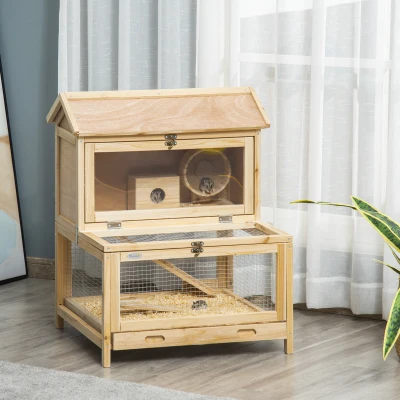
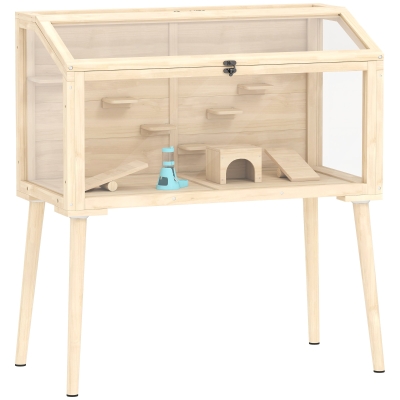
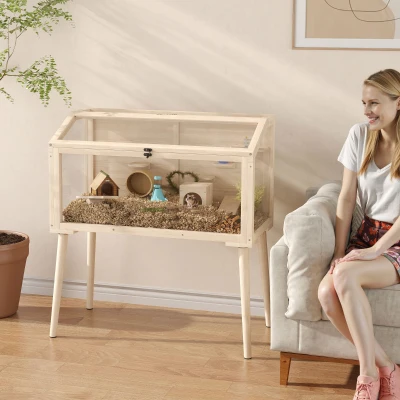
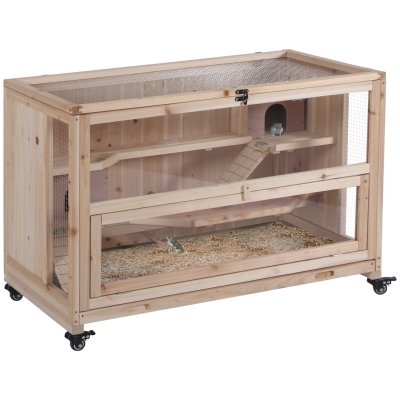
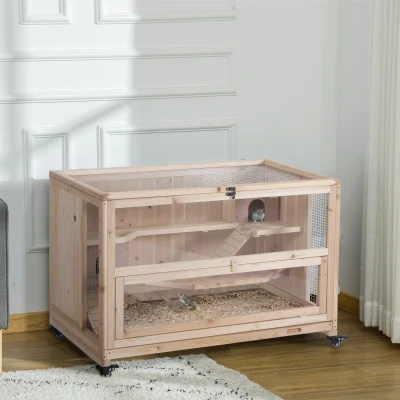
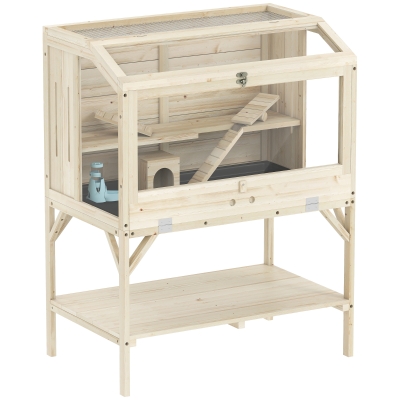
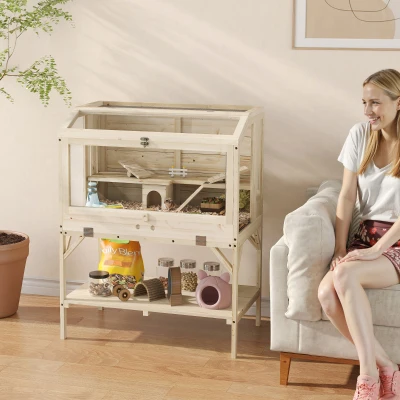
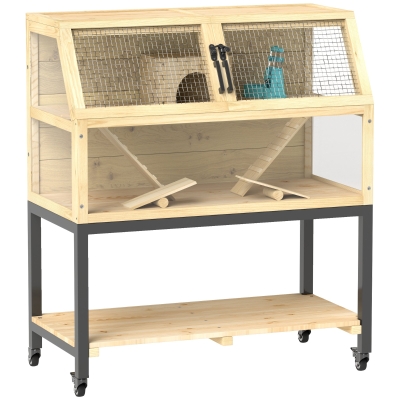
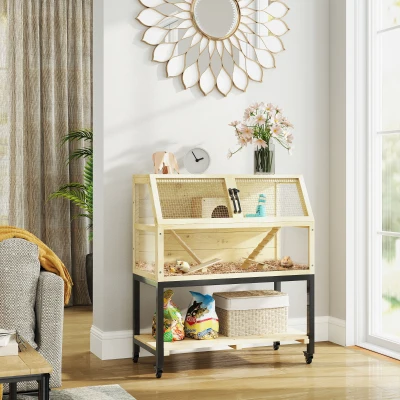
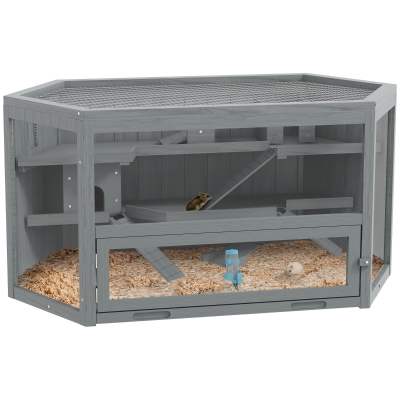
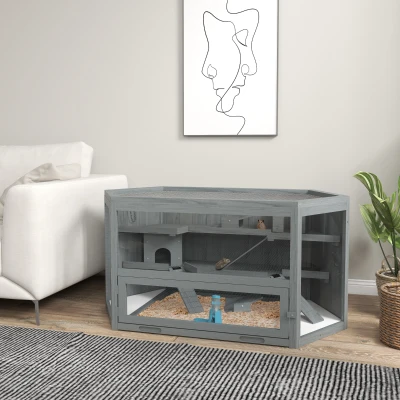
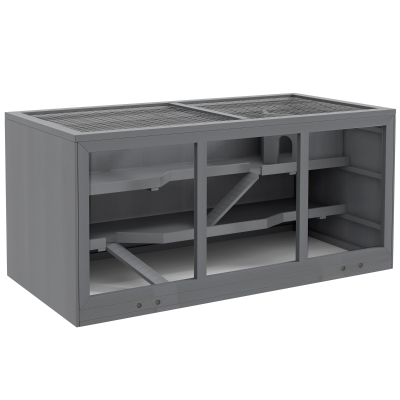
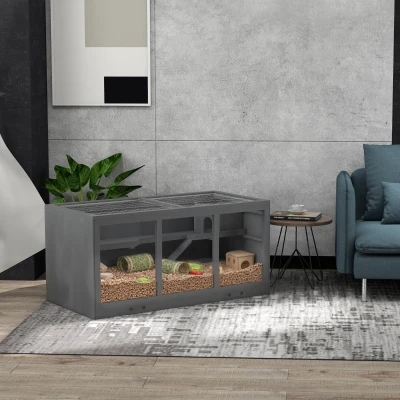
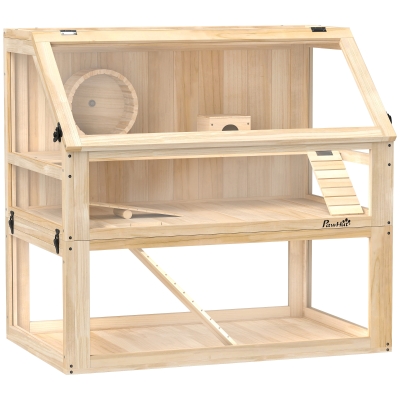
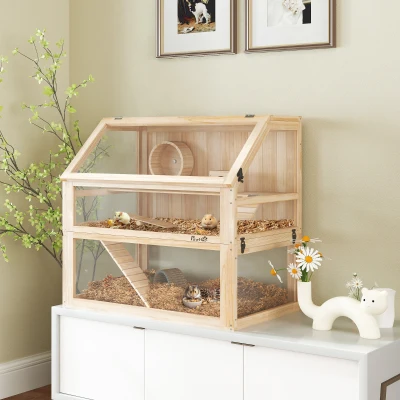
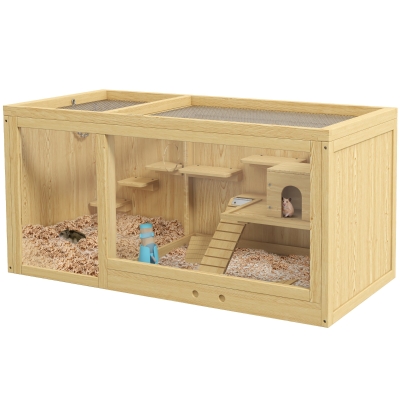
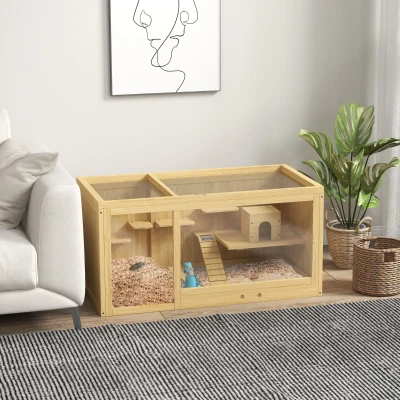
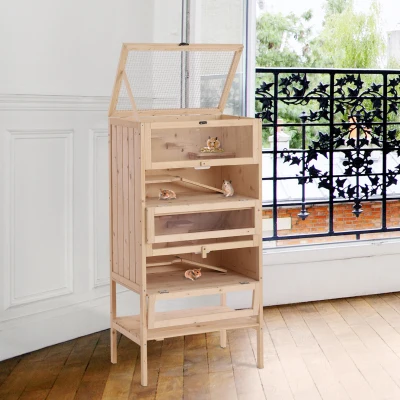
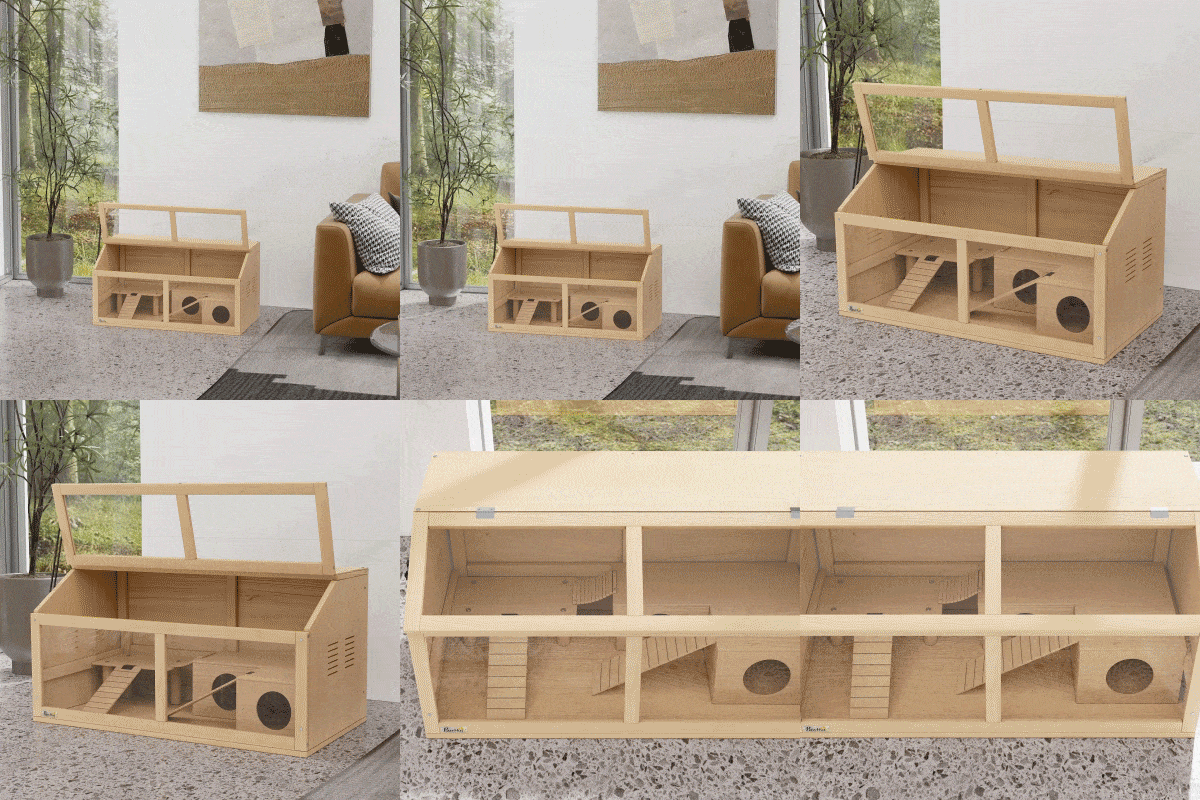
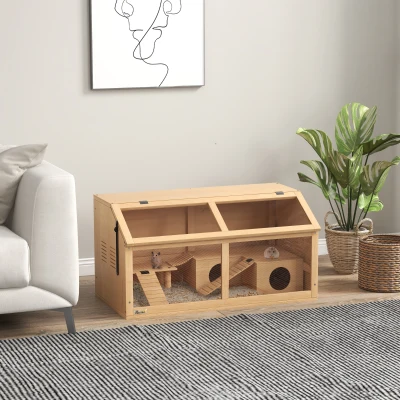
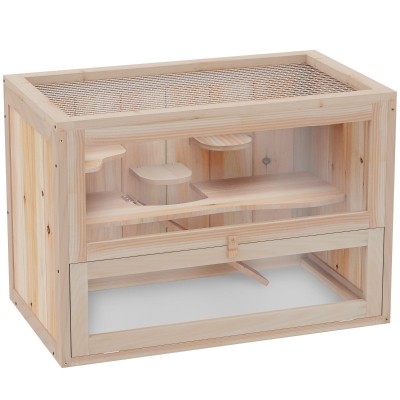
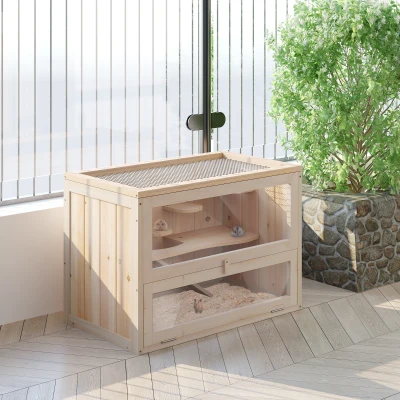
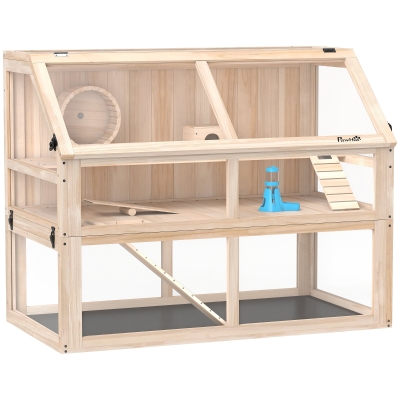
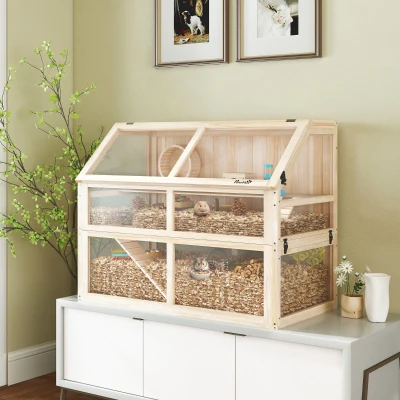
A wooden hamster cage often appeals to owners who want a more furniture-friendly look and a more structured interior. Many wooden designs in this category include useful features such as platforms, ramps, hut spaces, seesaws, and an openable roof, making them practical for enrichment as well as everyday care. Models such as the PawHut Wooden Hamster Cage with Water Bottle, Platforms, Openable Roof, Sliding Tray, Hut, Seesaws, Natural Wood Finish show how a wooden layout can combine a tidy footprint with multiple activity zones.
Wooden cages are often a good fit for homes that want a stable, visually neat enclosure, but they are best chosen with cleaning access in mind. A sliding tray, pull-out tray, or easy-lift roof panel makes a noticeable difference, especially when bedding, food debris, and sand need to be removed regularly from corners and levels.
Use deep bottoms and glass-sided sections when bedding depth matters
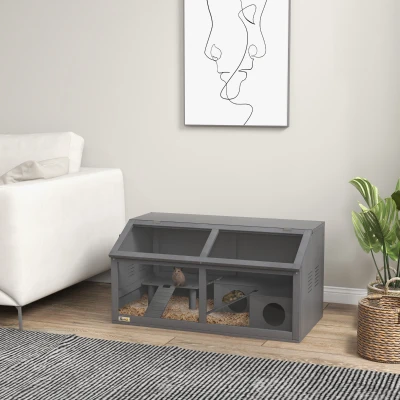
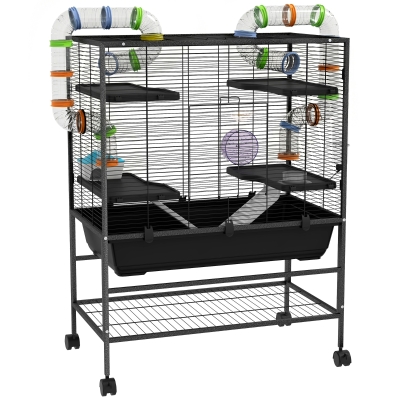
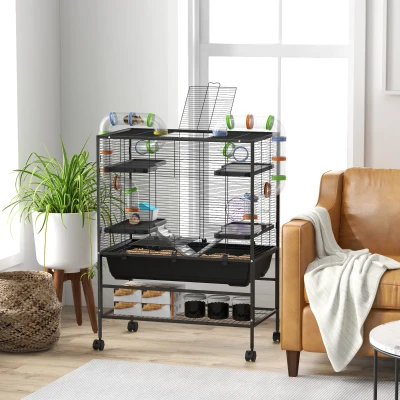
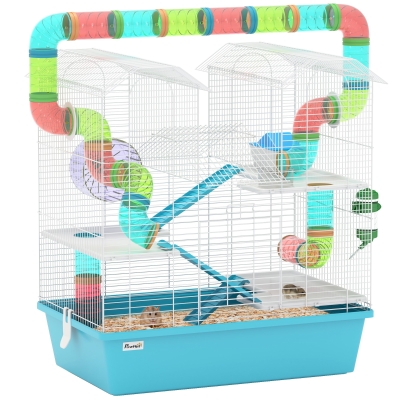
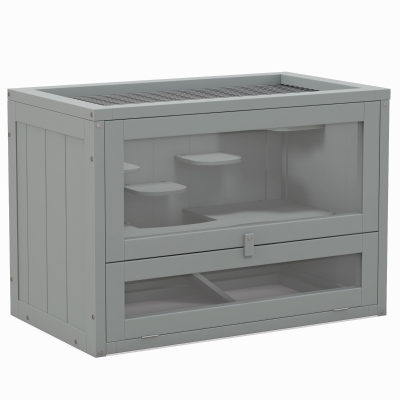
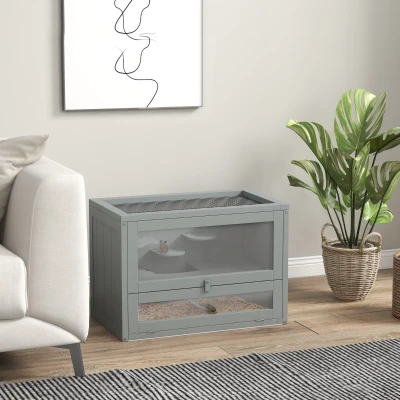
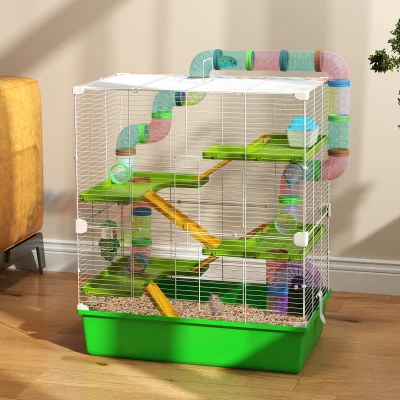
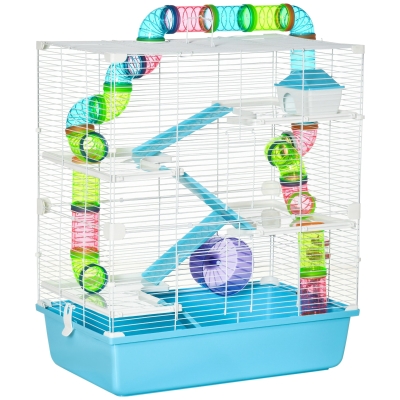
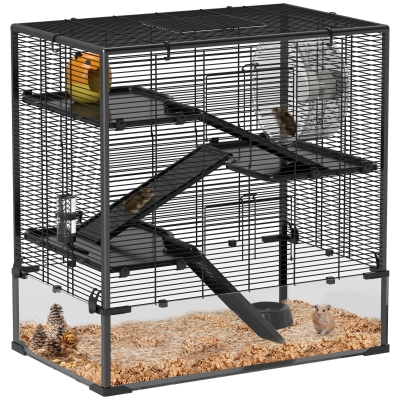
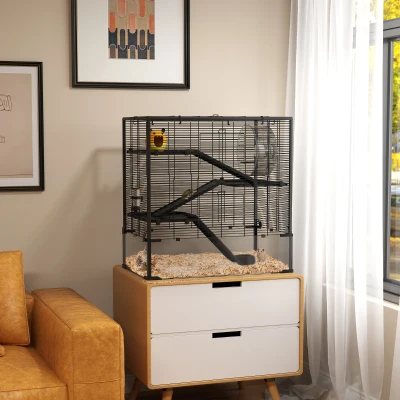
For many owners, one of the most useful features is a deep bottom or tall bottom design. This allows more bedding depth and makes the enclosure better suited to burrowing behaviour. A model such as the PawHut 4 Tiers Hamster Cage with Deep Tempered Glass Bottom, Hut, Running Wheel, Food Dish, Water Bottle combines vertical activity with a more substantial lower section for bedding. The tempered glass bottom also makes it easier to check bedding levels, spot damp areas, and monitor general cleanliness without disturbing the habitat too often.
Solid lower sections are often more practical than very shallow bases because they help contain substrate and reduce mess around the outside of the cage. For active hamsters and gerbils, that extra depth can also make the enclosure feel more usable over time.
Prioritise cleaning features before extra accessories
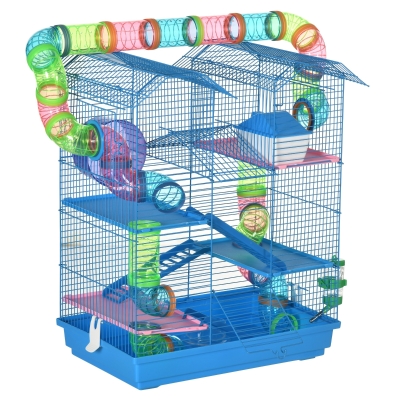
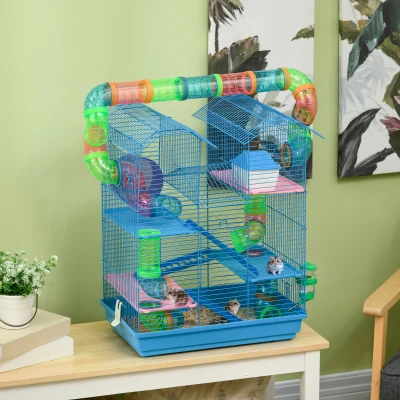
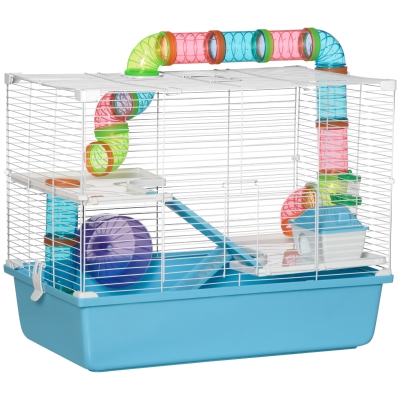
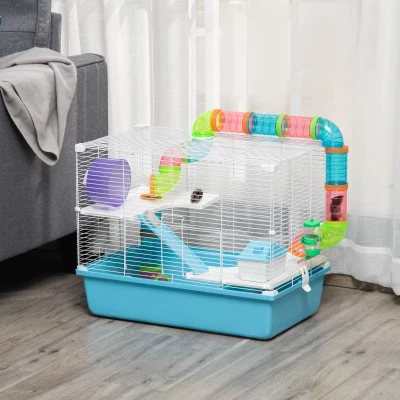
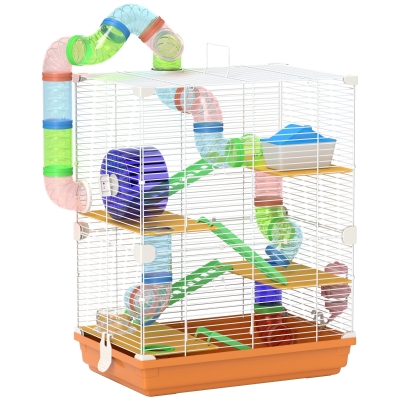
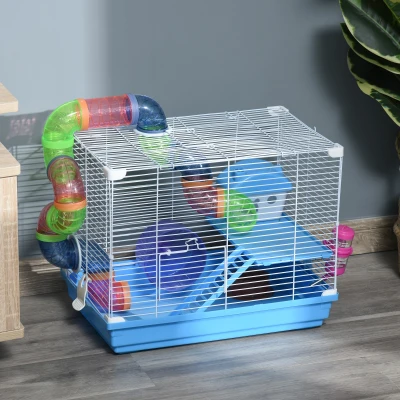
Accessories such as a running wheel, exercise wheel, tunnel tube, ladder, ramps, and house can add variety, but the easiest cages to live with are usually the ones designed for cleaning first. Features that genuinely improve day-to-day maintenance include:
- Sliding tray or pull-out tray for faster waste removal.
- Openable top or openable roof for easier access to corners and platforms.
- Detachable deep bottom for fuller bedding changes.
- Storage shelf for keeping bedding, food, and cleaning tools nearby.
- Wheels on larger units when you need to move the cage for cleaning around it.
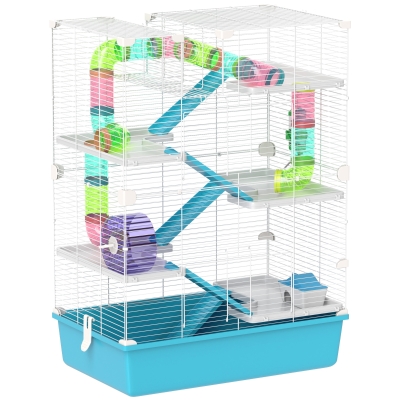
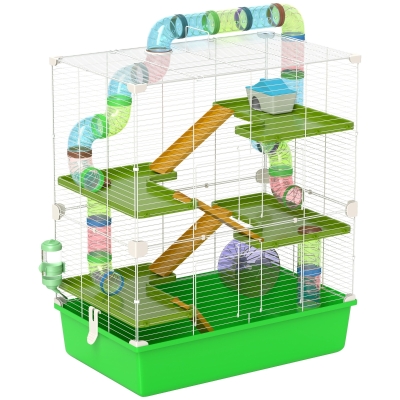
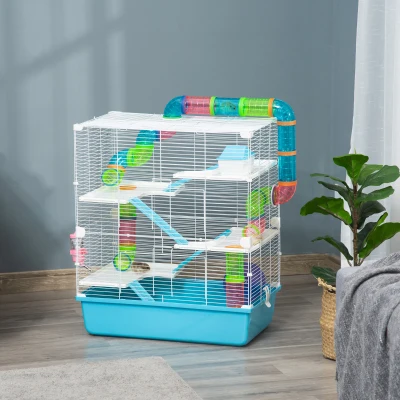
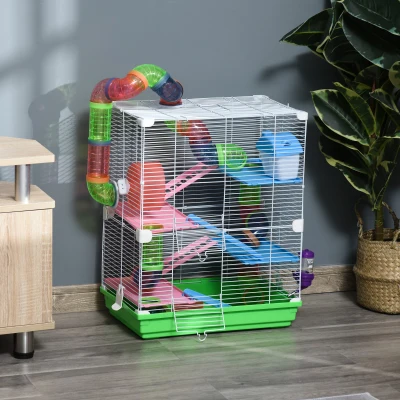
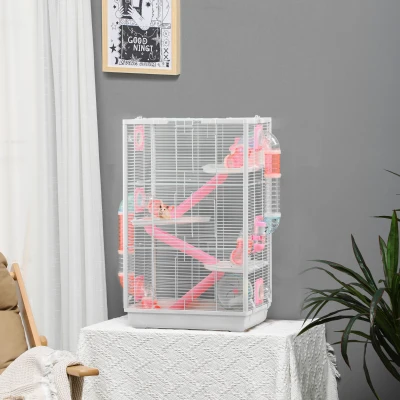
This is especially important in larger 3 tier, 4 tier, 5 tier, or 6 tier layouts, where extra activity levels can also create extra cleaning points.
More tiers can improve enrichment, but they do not replace floorspace
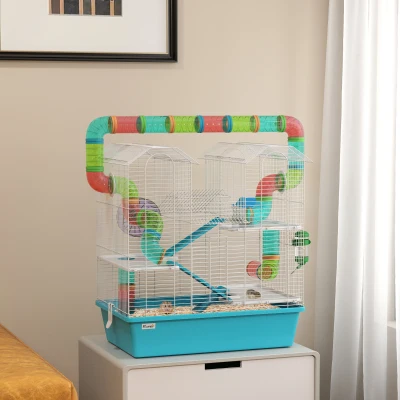
A 2 tier, 3 tier, or even 6 tier hamster cage can create more exploration routes through platforms, ramps, and tunnel tube sections. This can work well for owners who want a more varied habitat and already plan to use a running wheel, hut, and feeding accessories. Even so, vertical structure should not come at the expense of usable base area.
For many hamsters, a generous lower level with bedding depth matters more than simply stacking more levels upward. A large base also makes it easier to fit a proper wheel, hideouts, and feeding zones without crowding the enclosure. Multi-level cages are most practical when the bottom section still gives enough room for bedding, nesting, and free movement.
Match the cage style to how you plan to maintain it
The best enclosure is usually the one that fits your routine. If you want a cleaner-looking setup that blends into a room, a natural wood design with a sliding tray and openable roof is often a strong option. If you care most about bedding depth and visibility, a cage with a deep tempered glass bottom or detachable bottom may be easier to manage. If you prefer an all-in-one setup with accessories included, models with a water bottle, food dish, exercise wheel, hut, and ramps can reduce the amount of separate equipment you need to source at the start.
FAQ
1. What kind of cage should a hamster have?
A hamster cage should provide a solid base, enough room for bedding, and space for essentials such as a running wheel, hut, food area, and movement path. In practical terms, many owners look for at least 100 cm x 50 cm of usable floorspace where possible, especially for long-term comfort. A deep bottom or tall bottom is helpful because it allows more substrate for burrowing, while an openable top or sliding tray makes regular cleaning easier. If you choose a multi-level cage, make sure the lower level still provides enough open area rather than relying only on height.
2. Do hamsters prefer cages or tanks?
Many hamster owners prefer more enclosed, solid-sided setups because they usually allow greater bedding depth and can feel calmer for the animal. In practice, both styles can work if the enclosure offers enough floorspace, ventilation, and room for a correctly sized wheel. A cage with a deep tempered glass bottom or other solid lower section often gives a good balance: it helps contain bedding while still making it easier for owners to observe the habitat. As a simple care tip, aim for a wheel of around 20 cm for many dwarf hamsters and about 28 cm for Syrian hamsters, and make sure the enclosure base is large enough to fit it comfortably without crowding the rest of the setup.
3. What cage is too small for a hamster?
A cage is usually too small if it does not provide enough continuous base area for bedding, a wheel, hideouts, and movement. As a practical benchmark, many owners treat anything under 100 x 50 cm as too limited for long-term use, especially if the layout cannot accommodate a suitable wheel size. Small cages also become harder to keep clean because food, bedding, and waste build up faster in a cramped footprint. If the enclosure feels full as soon as you add a water bottle, house, wheel, and a small amount of substrate, that is often a sign the habitat is undersized.