






















Buying Guide: Assembly and Portability – Choosing the Right Camping Tent for Your Setup Style
One of the biggest concerns for campers is how easy a tent is to pitch and pack away. Whether you're a solo backpacker, a family heading for a weekend getaway, or a festival-goer looking for quick shelter, the way a tent assembles and transports directly affects your camping experience. From traditional pole tents to pop-ups and inflatables, this guide breaks down the key differences in assembly time, portability, and pack size – helping you choose a tent that matches your camping style and confidence level.
1. Assembly Types – Which One Fits Your Camping Style?
Camping tents generally fall into three main categories based on how they are set up. Each has its own advantages depending on your experience, group size, and trip duration:
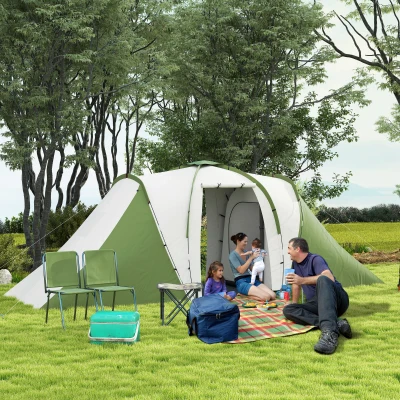
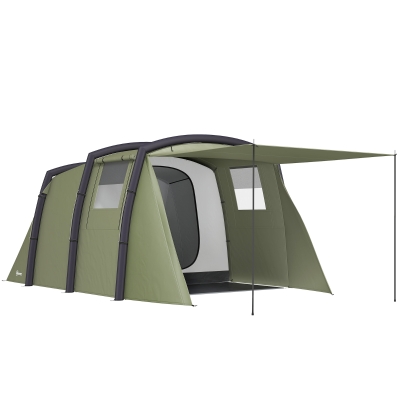
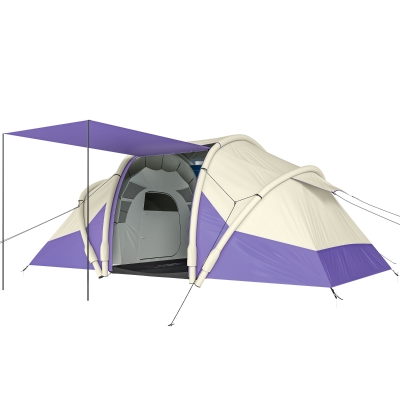
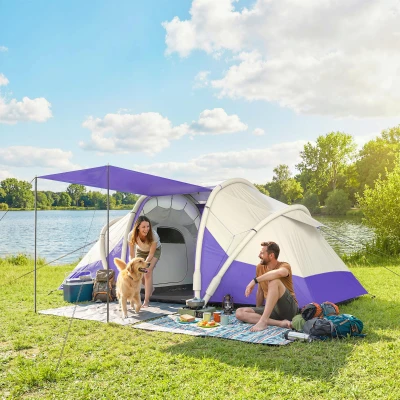
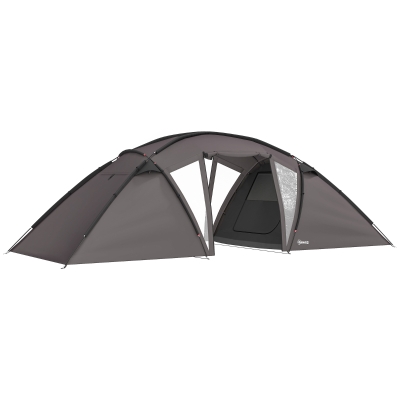
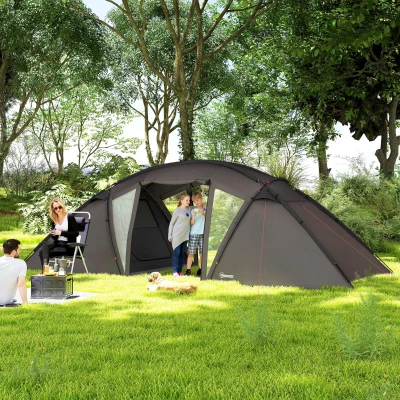
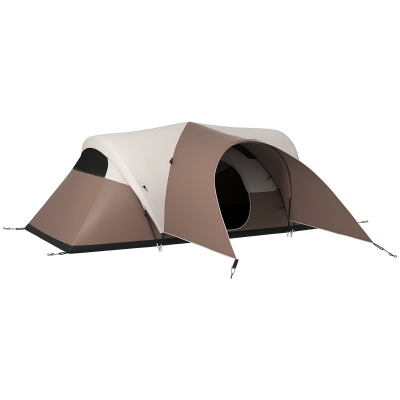
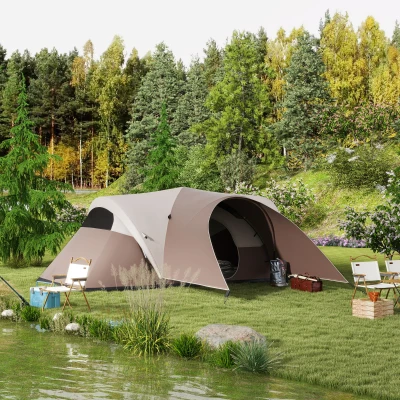
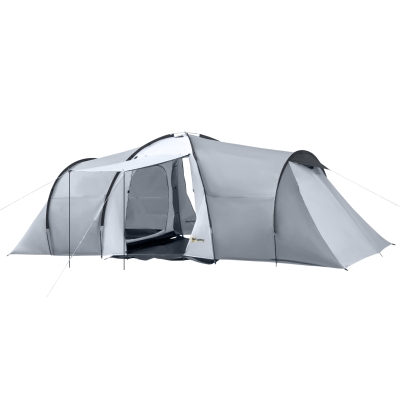
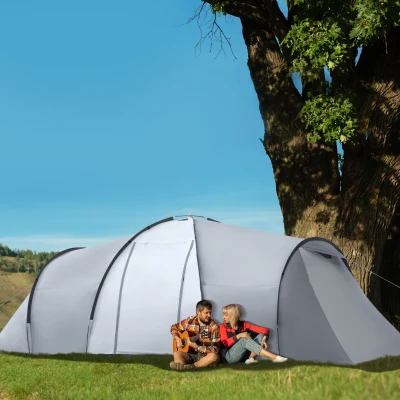
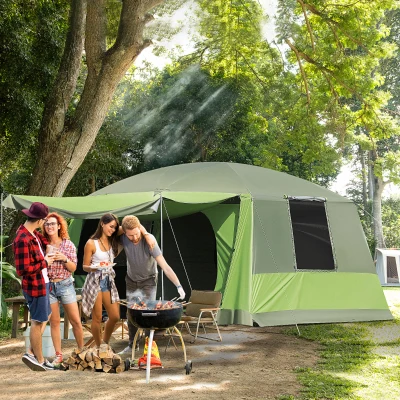
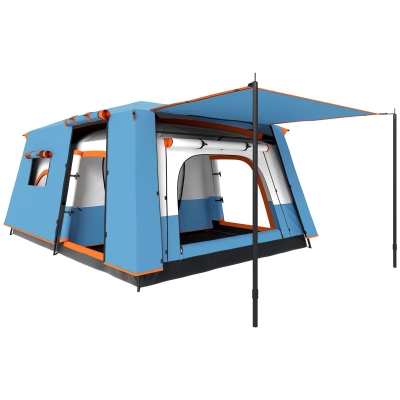
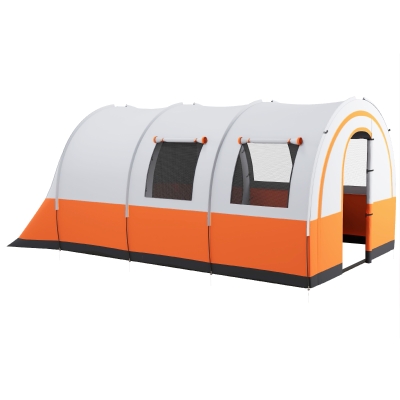
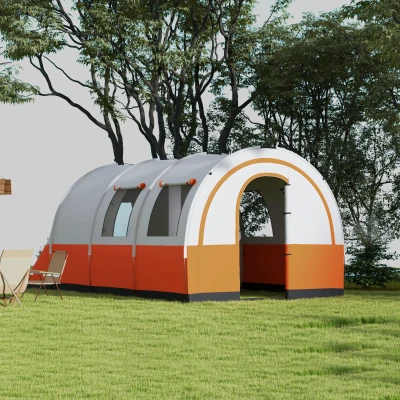
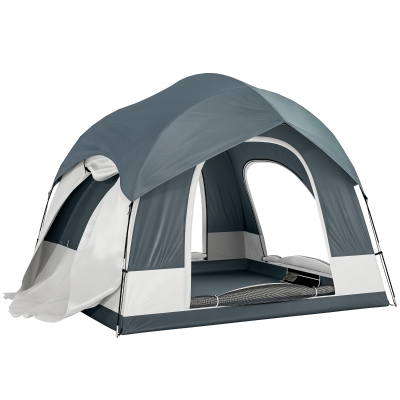
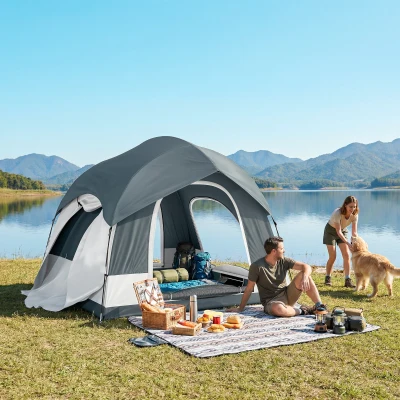
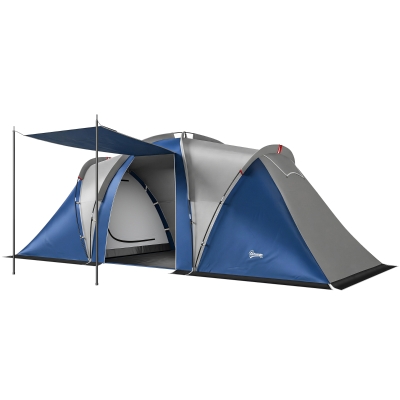
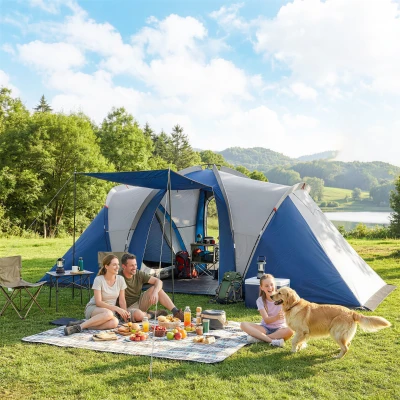
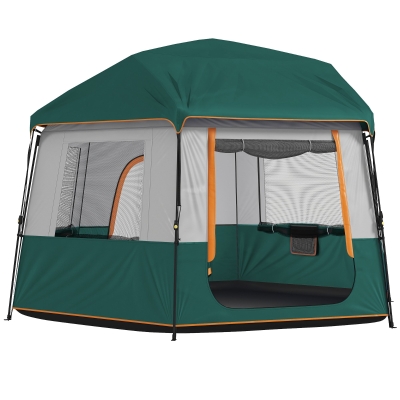
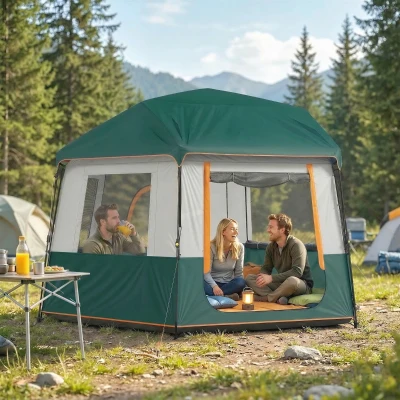
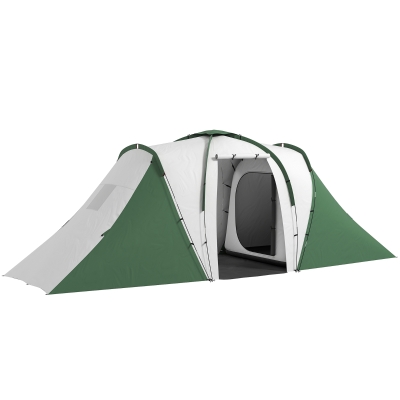
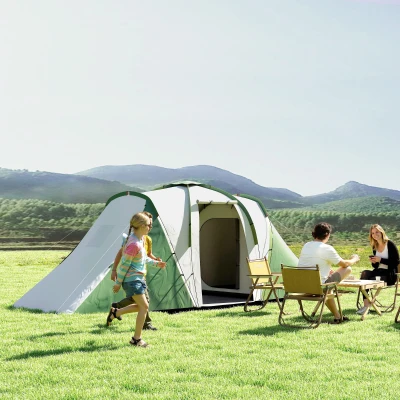
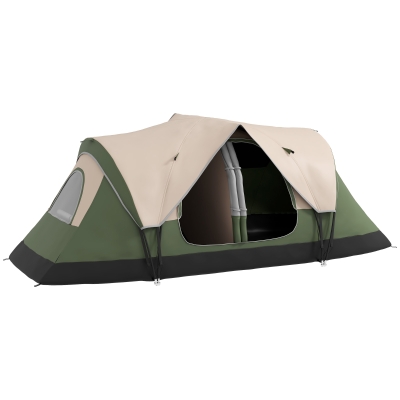
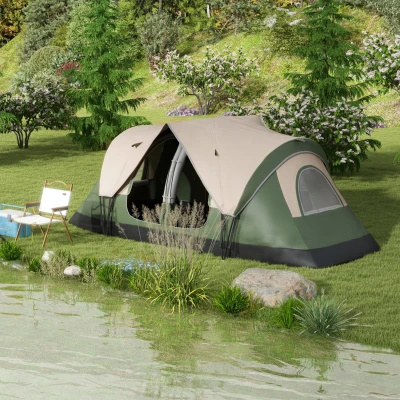
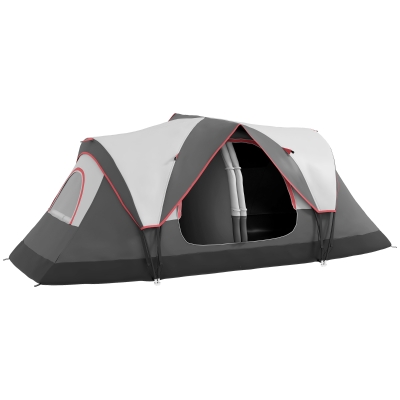
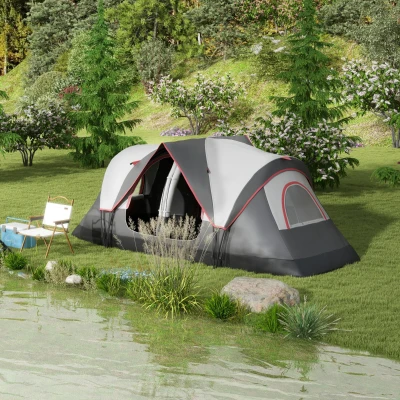
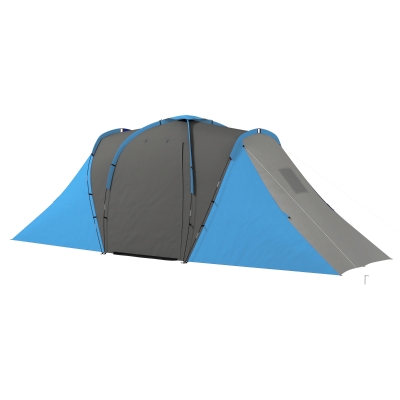
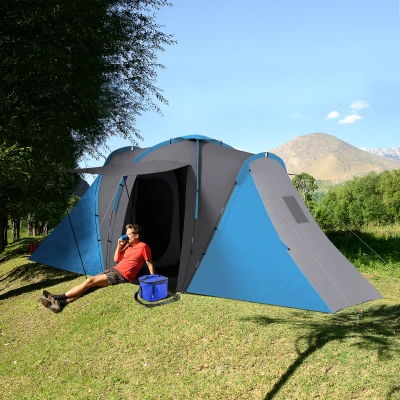
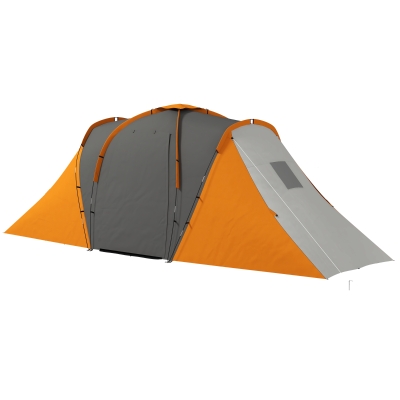
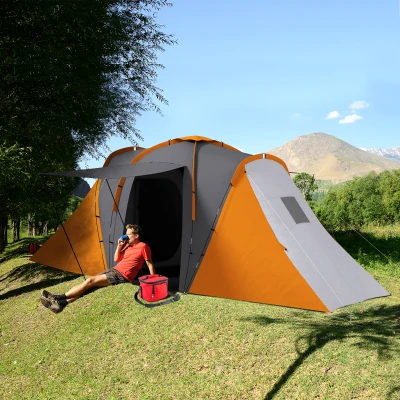
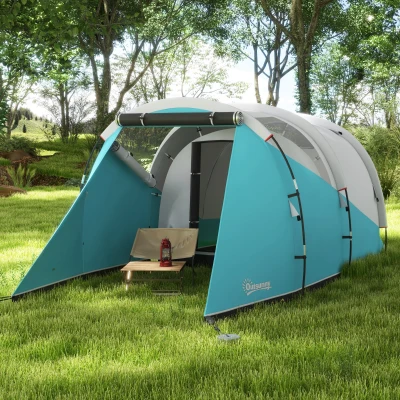
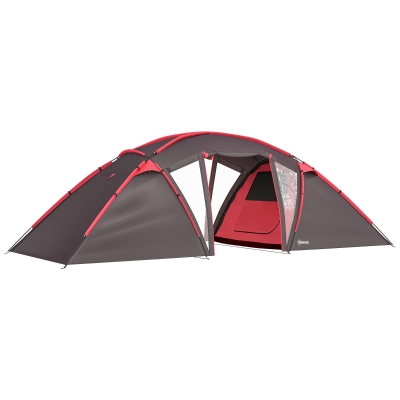
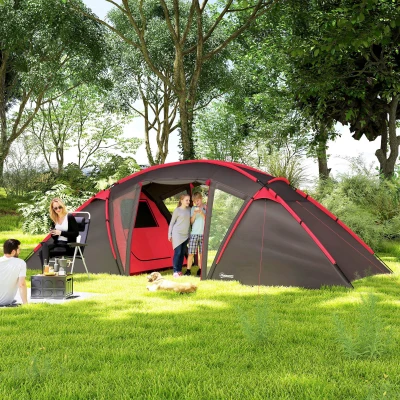
- Traditional Pole Tents – The classic design with separate poles that thread through sleeves or clip onto the tent body. These tents offer excellent stability and wind resistance, making them ideal for longer stays and exposed sites. Models like the Outsunny 4-6 Man Camping Tent (Tunnel Tent) or the Outsunny 5-6 Man Dome Camping Tent are reliable choices for family camping.
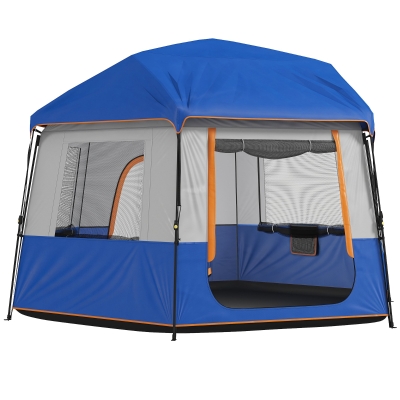
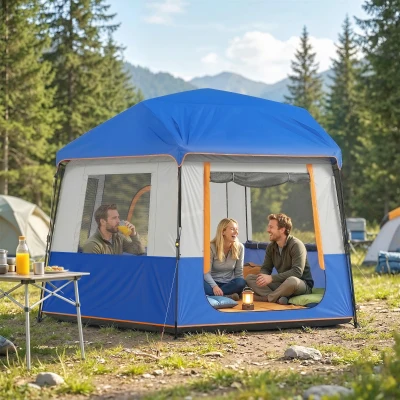
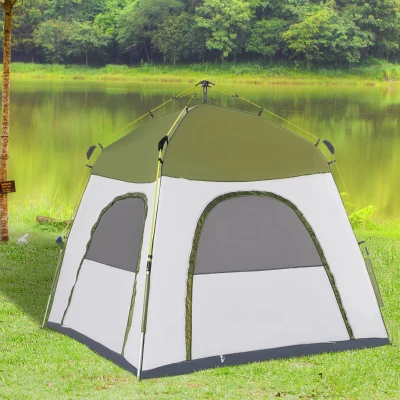
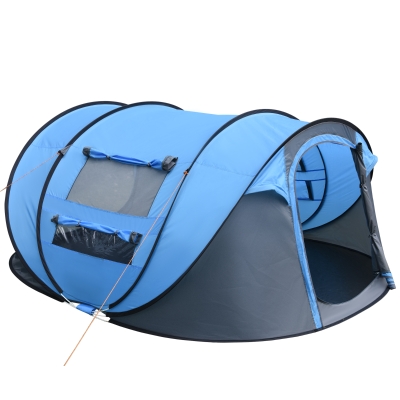
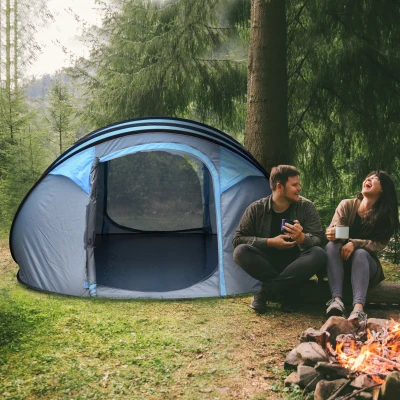
- Pop-Up Tents – Pre-assembled frames that spring into shape within seconds. Perfect for beginners, festival-goers, or short trips where speed is key. The Outsunny Pop Up Tent 3000mm Waterproof Instant Camping Tent and the Outsunny Double Layer Instant Pop Up Tent offer instant setup with minimal effort.
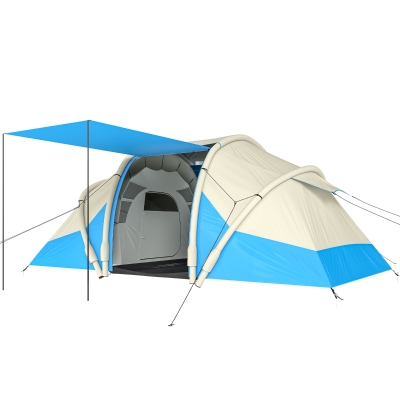
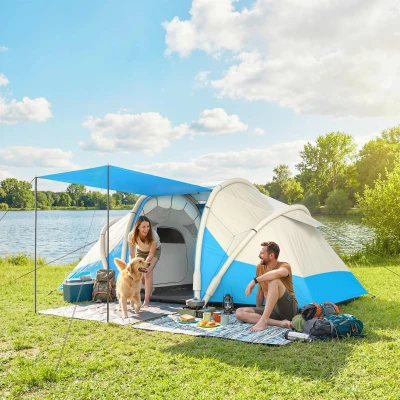
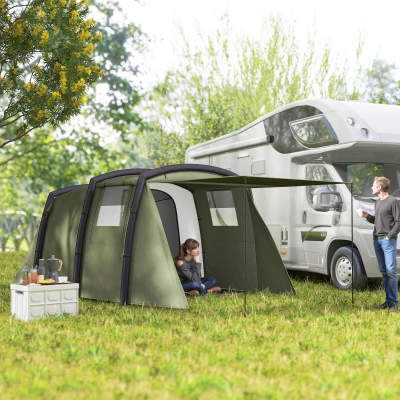
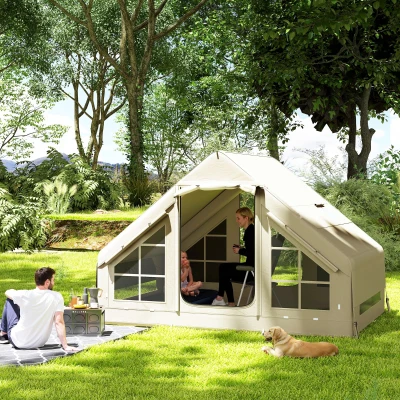
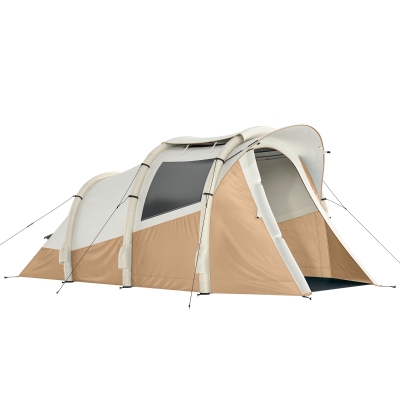
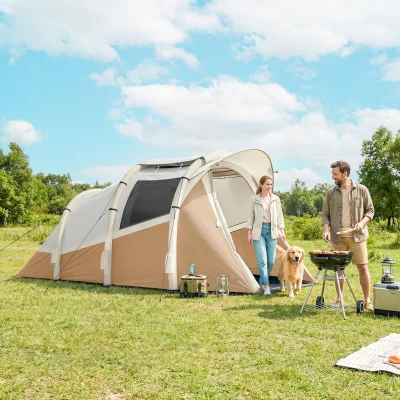
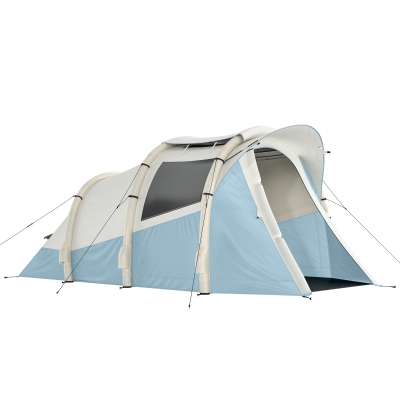
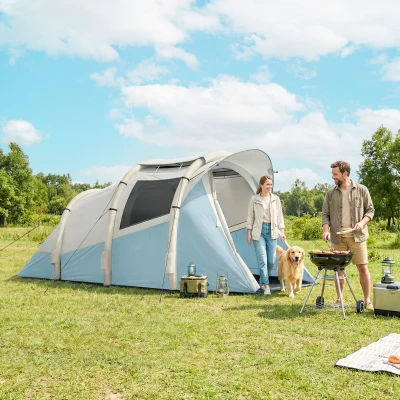
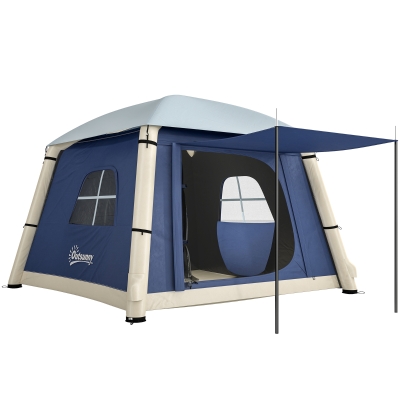
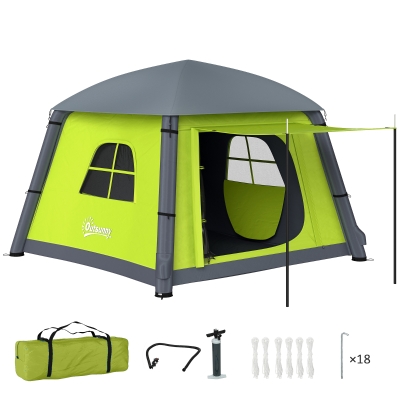
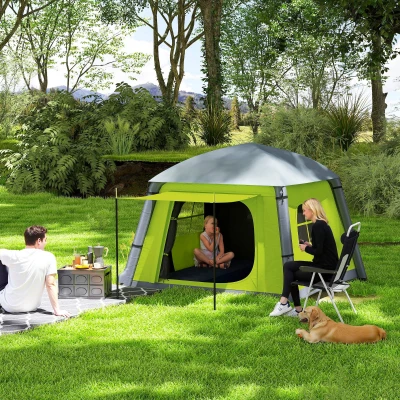
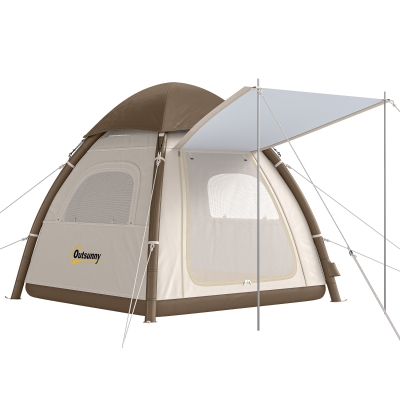
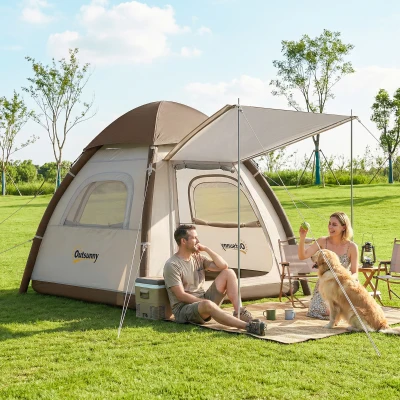
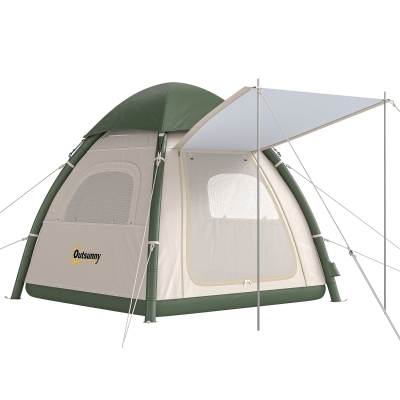
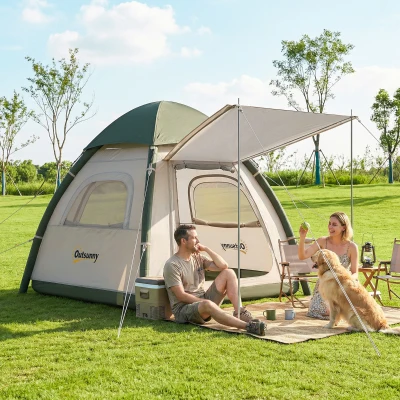
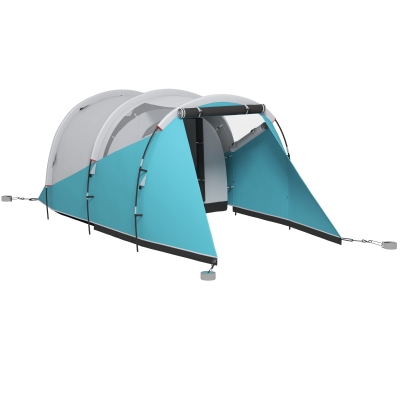
- Inflatable Tents – Use air beams instead of traditional poles. Simply inflate with a pump, and the tent stands firm in minutes. The Outsunny Inflatable 3-4 Man Tunnel Tent w/ Air Pump combines the speed of modern technology with the spaciousness of a tunnel tent, ideal for families who want a stress-free setup.
2. Comparison of Assembly Types – Speed, Stability, and Portability
The table below summarises the key differences between the three main tent types, helping you choose the right one for your camping style:
| Feature | Traditional Pole Tent | Pop-Up Tent | Inflatable Tent |
|---|---|---|---|
| Setup Time | 15-30 minutes | 2-5 minutes | 5-10 minutes |
| Ease of Use | Moderate (requires practice) | Very easy (instant) | Easy (pump required) |
| Stability | High (stronger in wind) | Moderate (lightweight design) | Good (air beams absorb shock) |
| Weight | Moderate to heavy | Light to moderate | Moderate (pump adds weight) |
| Packed Size | Varies (long poles) | Moderate (compact) | Moderate (pump included) |
| Best For | Family camping, long stays, windy sites | Festivals, quick trips, beginners | Family camping, weekend getaways |
3. Portability and Storage – What to Consider Before You Buy
How you transport and store your tent is just as important as how you set it up. Here are key factors to consider:
- Packed Weight – If you're carrying your tent on foot, weight matters. Pop-up and lightweight traditional tents are better for backpacking. For car camping, weight is less of a concern.
- Packed Dimensions – Traditional tents with long poles may be bulky. Inflatable tents and pop-up tents often have more compact pack sizes, making them easier to store at home.
- Carry Bag Quality – A good carry bag with strong handles makes transport much easier. Check the bag design – some include compression straps for tighter packing.
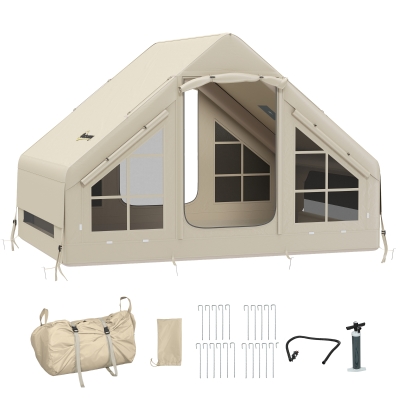
- Accessories Included – Look for tents that include pegs, guy ropes, and a repair kit. For inflatable tents, check if the pump is included and whether it's compatible with other outdoor equipment.
4. Practical Setup Tips for Each Tent Type
- Traditional Pole Tents – Lay out the tent flat before inserting poles. Use a footprint (groundsheet) to protect the floor. Guy ropes are essential for wind resistance – always use them.
- Pop-Up Tents – Choose a clear, open area. Unfold and let the tent spring open – do not force the frame. Practice folding at home before your trip.
- Inflatable Tents – Inflate the air beams evenly (do not over-inflate). Peg down the corners before fully inflating to prevent movement. Use the included pump – some models also work with standard car tyre pumps.
5. How to Pack Your Tent for Storage
Proper packing extends the life of your tent and makes future setup easier:
- Always dry your tent before packing – moisture leads to mould and fabric damage.
- Fold or roll loosely – avoid sharp creases that can weaken the fabric and coating.
- Store in a cool, dry place – avoid damp garages or direct sunlight.
- Check components before packing – make sure all pegs, poles, and guy ropes are accounted for.
FAQs
1. How long does it take to set up a traditional pole tent?
For experienced campers, a traditional pole tent can be pitched in 10-15 minutes. Beginners may take 20-30 minutes. Practice at home before your trip to save time and avoid frustration on site. Models like the Outsunny 5-6 Man Tunnel Tent are designed with colour-coded poles and clip systems to speed up assembly.
2. Are pop-up tents durable enough for multi-day camping trips?
Pop-up tents are great for short breaks and festivals but may not withstand heavy wind or prolonged use as well as traditional tents. For multi-day trips in varied weather, a traditional pole tent or inflatable tent is a more durable choice. The Outsunny Double Layer Instant Pop Up Tent offers better protection with its rainfly, making it suitable for weekend trips.
3. How do I pack an inflatable tent after use?
First, open all air valves to release the air beams completely. Fold the tent loosely from the corners, then roll it up – do not force it into a tight roll. Store the pump and repair kit in the carry bag. Always dry the tent before packing to prevent mildew growth.
4. Can I use an inflatable tent without a pump?
No, inflatable tents require a pump to inflate the air beams. Some models come with a manual or electric pump included. It's advisable to carry a spare pump or adaptor, especially for longer trips.