























Safety & Durability Guide – Choosing the Best Kids Storage Units
When it comes to furnishing a child's room or selecting kids storage units for shared living spaces, safety and durability are just as important as style and function. Children's furniture is subjected to daily wear, climbing, pulling, and occasional spills – and it needs to withstand all of it while keeping your little one safe. This guide focuses on the key safety features and material choices that make a kids storage units solution truly reliable, whether you're looking for toy storage for living room use or a dedicated playroom setup.
1. Material Matters – MDF vs. Solid Wood for Kids Storage Units
The material of your kids storage units affects not only durability but also indoor air quality. Here's a quick comparison of the most common materials used in children's furniture:
| Material | Durability | Safety / Eco‑Friendliness | Best For |
|---|---|---|---|
| Solid Natural Wood | High – resists wear, can last for years | Excellent – non‑toxic, often finished with water‑based paint | Climbing frames, high‑use items, heirloom furniture |
| MDF (Medium‑Density Fibreboard) | Good – stable, resists warping | Good – ensure E0 or E1 grade (low formaldehyde) | Storage shelves, cabinets, toy boxes with painted finishes |
| Particleboard | Moderate – can chip or swell if exposed to moisture | Moderate – look for low‑emission certifications | Budget‑friendly storage units, less frequently moved |
| Non‑Woven Fabric / Polyester Drawers | Low to Moderate – tears with heavy use | Good – lightweight, washable if removable | Light toy storage, clothes organisation |
For toy storage for living room areas where the furniture is on display, solid wood or high‑quality MDF with a durable finish offers the best balance of aesthetics and longevity. Always check for certifications like E0 or E1 to ensure low formaldehyde emissions.
2. Critical Safety Features to Look For in Kids Storage Units
When evaluating kids storage units for your home, prioritise these non‑negotiable safety features:
- Anti‑Tip Design (Wall Anchors / Wide Base) – Prevents the unit from tipping forward if a child climbs on it. Many HOMCOM and AIYAPLAY models include anti‑tip brackets or a sufficiently wide, stable base.
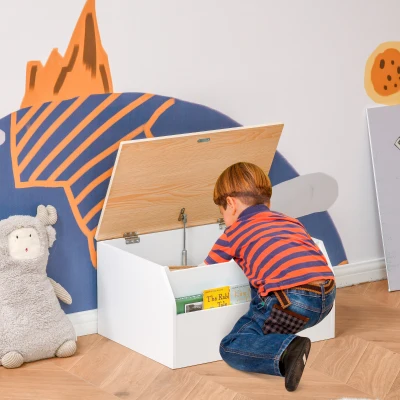
- Safety Hinges (Slow‑Close / Soft‑Close) – Prevents little fingers from being trapped in closing lids or doors. Essential for toy boxes and cabinets.
- Rounded Corners / Smooth Edges – Reduces the risk of injury from bumps or falls. Look for products explicitly described as having rounded or sanded edges.
- Non‑Slip Feet – Keeps the unit stable on smooth floors, especially important for freestanding shelves and dressers.
- Non‑Toxic Water‑Based Paint or Varnish – Safe for children who may mouth furniture surfaces. Avoid products with strong chemical smells.
3. Durability Checklist for Toy Storage for Living Room & Playroom
If you're looking for toy storage for living room use, durability and easy maintenance are extra important because the furniture is used daily and often visible. Here's a practical checklist:
- Drawer / Bin Weight Capacity – Check the maximum load for each drawer or bin. Fabric drawers are best for lightweight toys; wood or plastic bins handle heavier items.
- Joint Construction – Look for dowel joints, metal brackets, or cam locks (not just glue) for long‑lasting stability.
- Finish Quality – Smooth, chip‑resistant surfaces are easier to clean and less likely to show wear.
- Removable, Washable Covers – Fabric drawers with removable covers make cleaning spills and stains much simpler.
- Wheels (if applicable) – Lockable wheels add mobility without sacrificing stability.
4. Comparing Popular Kids Storage Unit Types
Here's a quick guide to the most common kids storage units and their best uses:
| Type | Best For | Key Durability Feature | Example Model |
|---|---|---|---|
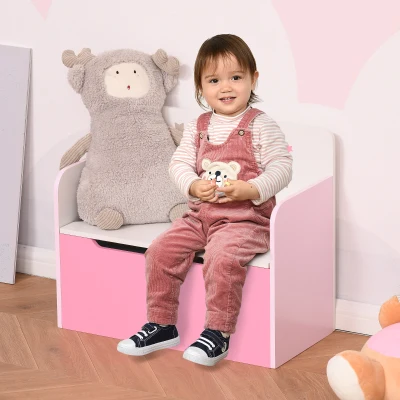
| Toy Box / Storage Chest | Large toys, blankets, quick tidy‑up | Safety hinge, sturdy wooden construction | HOMCOM Kids Wooden Toy Box |
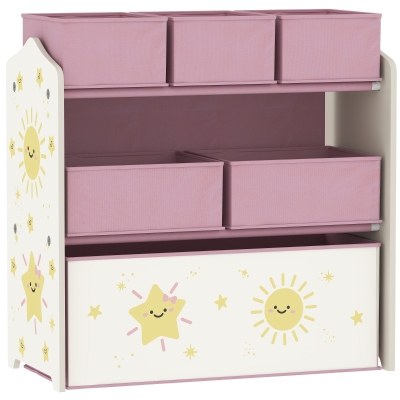
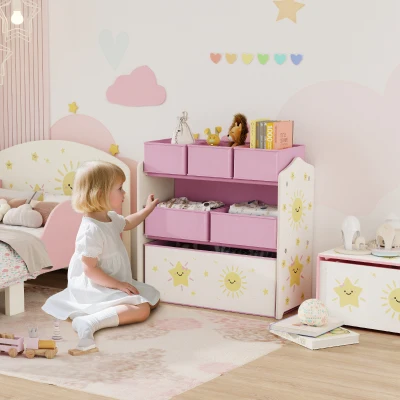
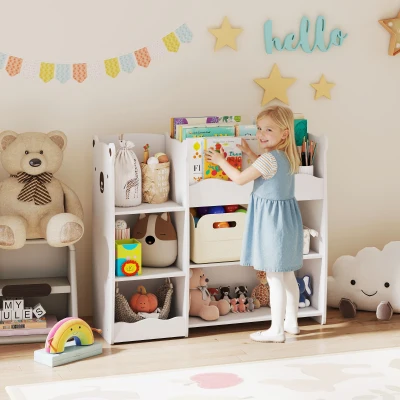
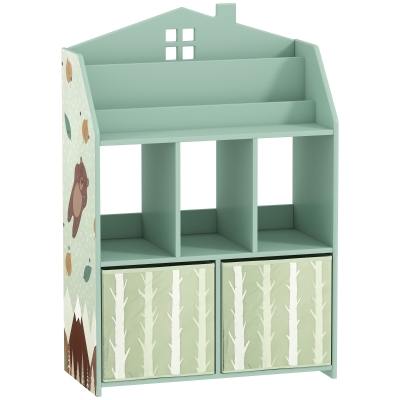
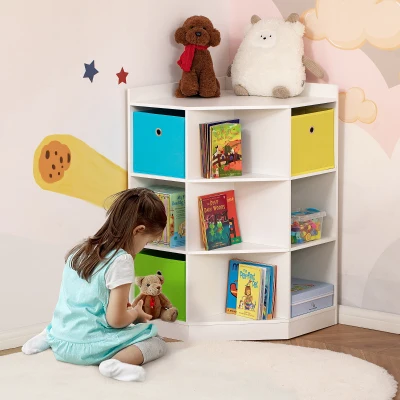
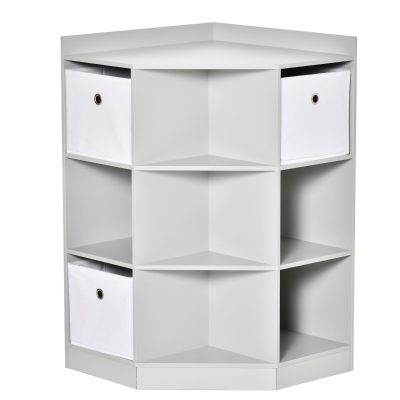
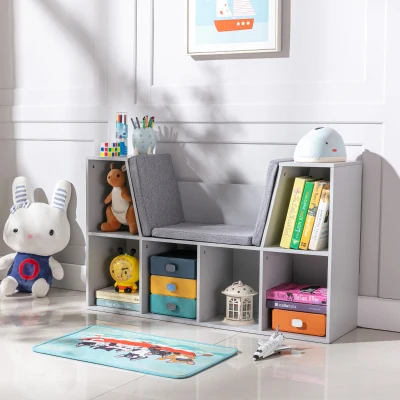
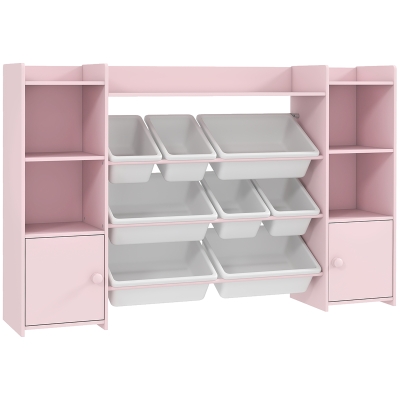
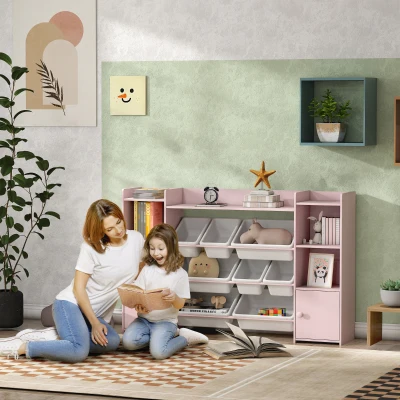
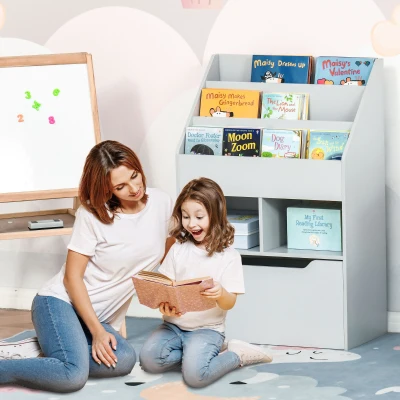
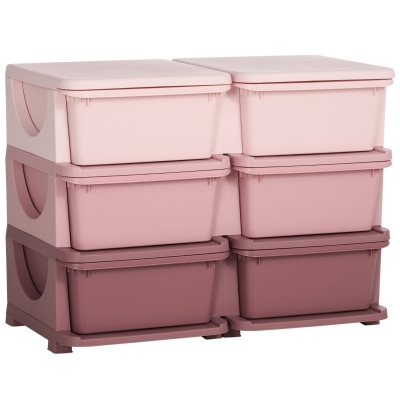
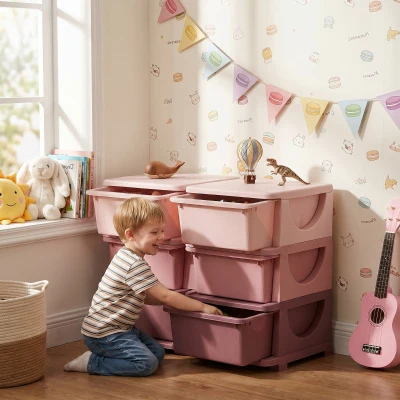
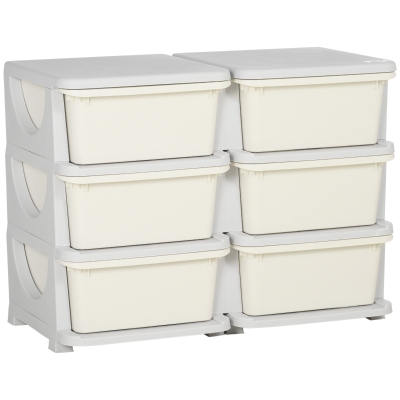
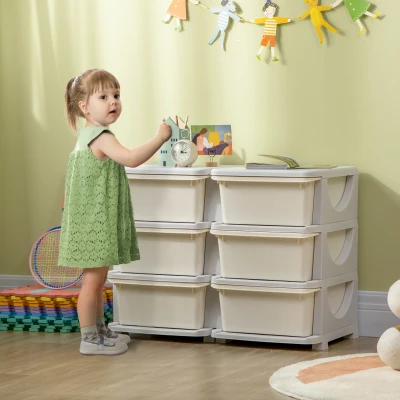
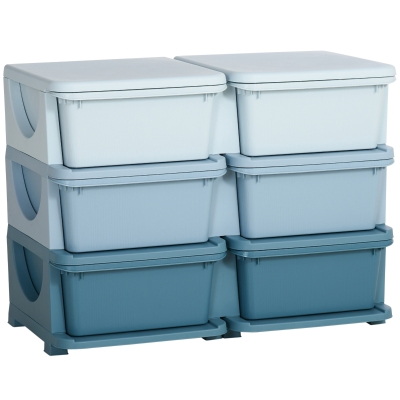
| Shelving Unit with Removable Bins | Organised toy storage by category | Durable MDF frame, washable bins | AIYAPLAY 3‑Tier Toy Organiser Shelf |
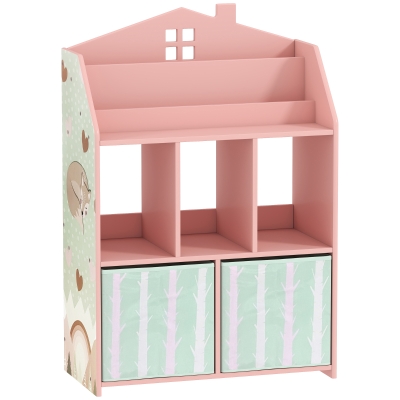
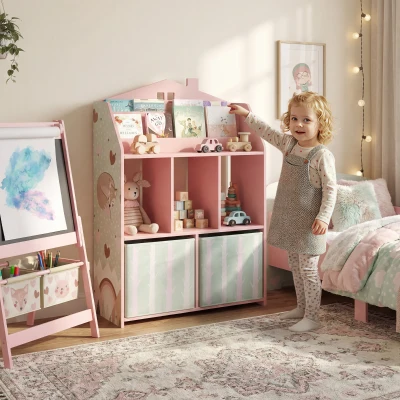
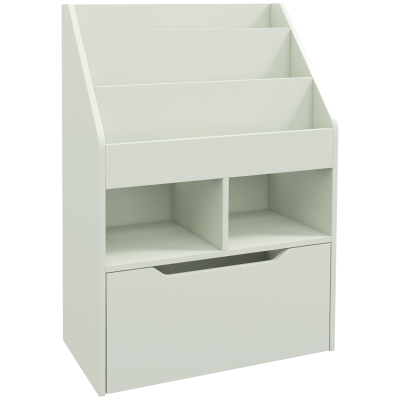
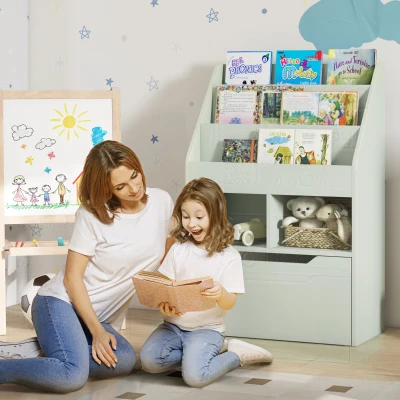
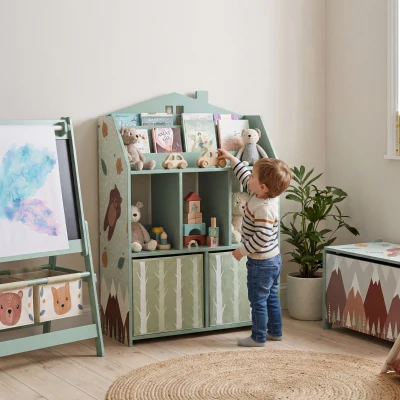
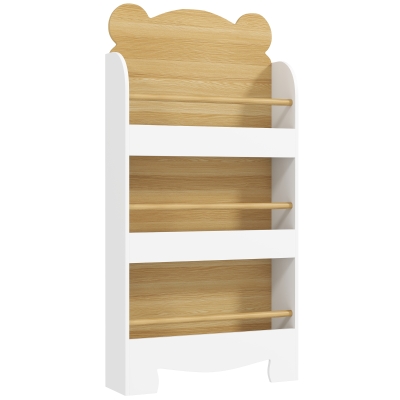
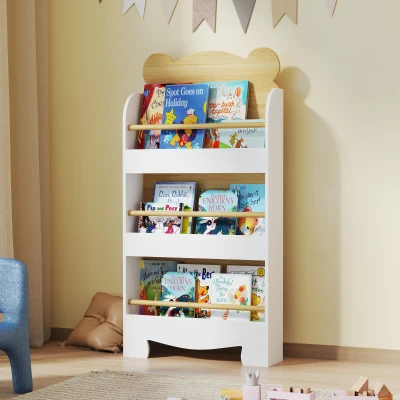
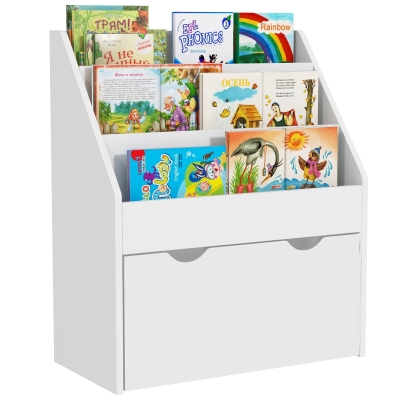
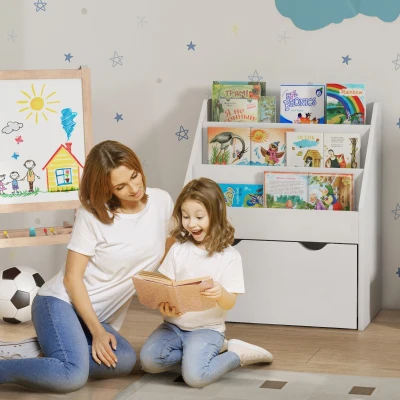
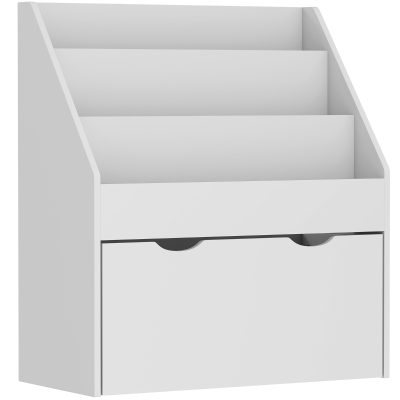
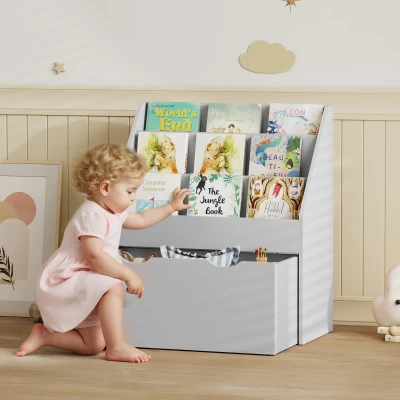
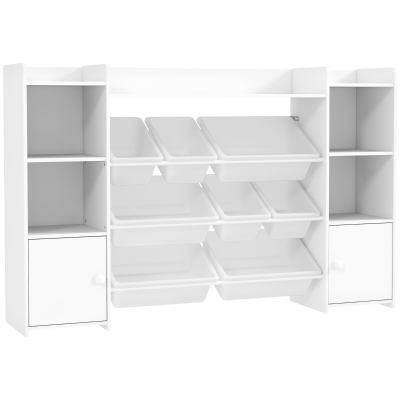
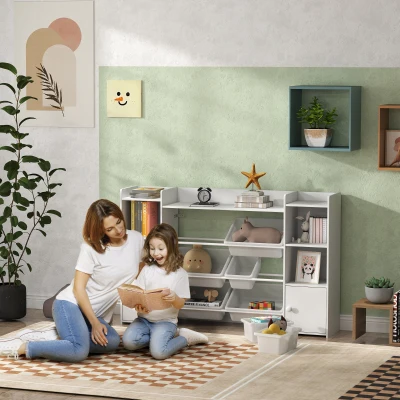
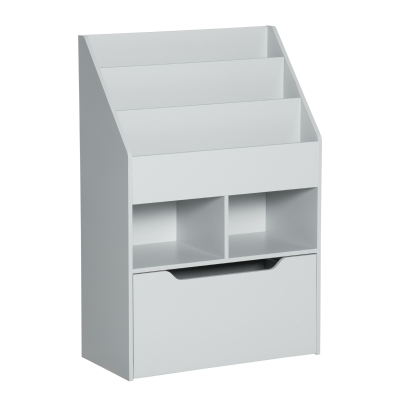
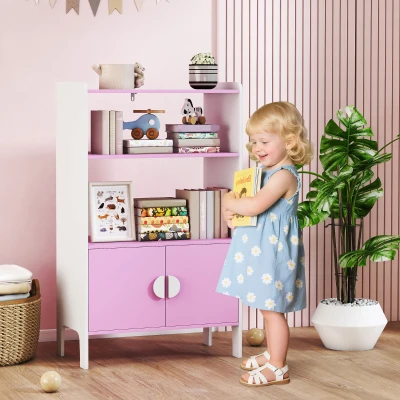
| Bookshelf + Storage Combo | Books and toy storage in one unit | Stable base, anti‑tip design | AIYAPLAY Kids Bookshelf with Storage |
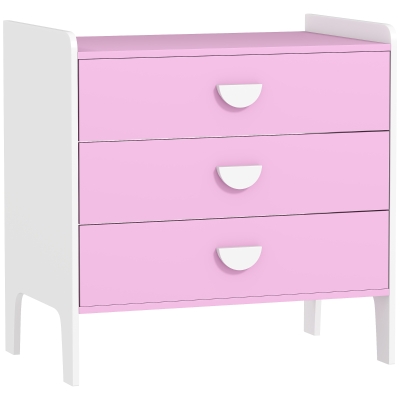
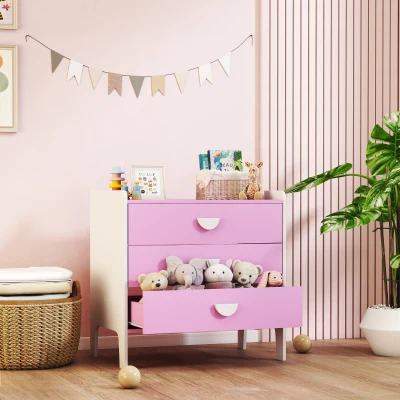
| Dresser / Chest of Drawers | Clothes and small toy storage | Soft‑close drawers, durable MDF | AIYAPLAY Children's Dresser |
5. Maintenance Tips to Extend the Life of Kids Storage Units
To keep your kids storage units looking and functioning well for years, follow these simple care steps:
- Wipe spills immediately – Use a damp cloth for painted surfaces; avoid abrasive cleaners.
- Check screws and fittings – Every 3‑6 months, tighten any loose screws, especially on frequently opened drawers or doors.
- Wash fabric bins according to labels – Most non‑woven or polyester bins can be spot‑cleaned; some are machine‑washable.
- Re‑apply protective coating – For wooden units, consider a non‑toxic furniture wax or oil every 12‑18 months to protect the surface.
- Keep away from direct sunlight – Prolonged sun exposure can fade colours and dry out wood finishes.
FAQ
1. Are MDF storage units safe for children?
Yes, as long as they are made with low‑formaldehyde MDF (E0 or E1 grade). Reputable brands like HOMCOM and AIYAPLAY use certified materials. Always check the product description for emission ratings and finish type.
2. How do I prevent a tall storage shelf from tipping over?
Look for models with anti‑tip kits (wall brackets) included. If your chosen kids storage units doesn't come with one, you can purchase universal anti‑tip straps separately. Place heavier items on the bottom shelves to keep the centre of gravity low.
3. Can I use toy storage for living room purposes without making the room look messy?
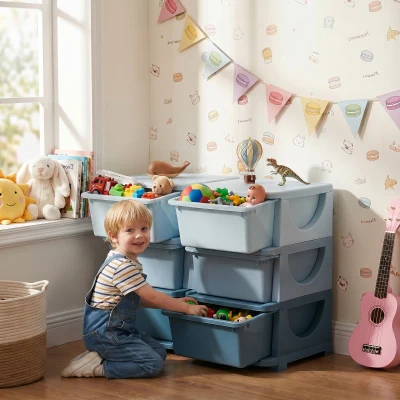
Yes. Choose kids storage units with neutral colours (white, grey, natural wood) or cohesive designs that blend with adult furniture. Closed cabinets or toy boxes with lids hide clutter quickly, while open shelves with matching fabric bins keep things looking tidy and accessible for children.