









































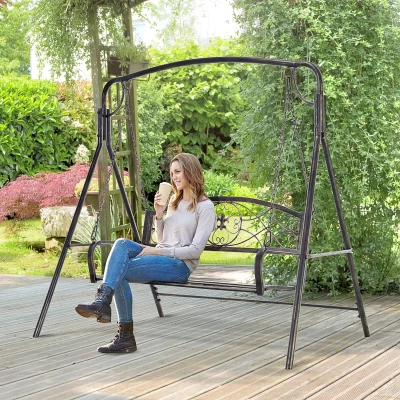

Buying Guide: How to Choose the Perfect Swing Chair for Your Outdoor Space
A garden swing chair is more than just a seat – it’s a relaxation destination. Whether you have a small balcony, a covered porch, or a spacious lawn, choosing the right swing bench or hanging chair can transform how you enjoy your outdoor area. This guide walks you through the key decisions: seat capacity, frame material, canopy options, comfort features, and maintenance – so you can find a swing that fits your lifestyle and lasts for years.
1. Seat Capacity: 2‑Seater vs. 3‑Seater
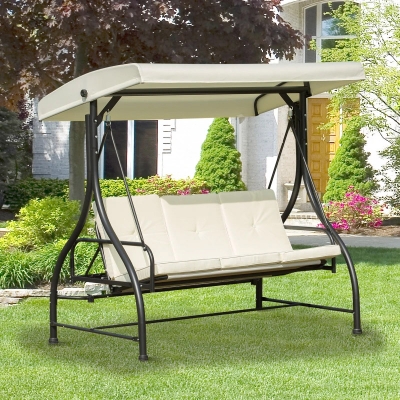
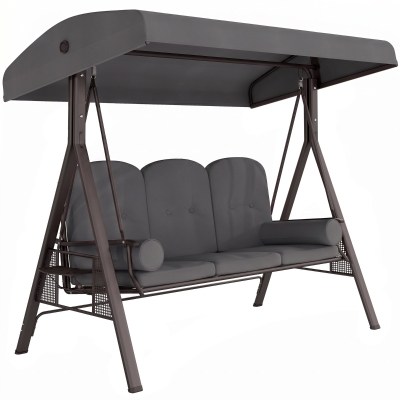
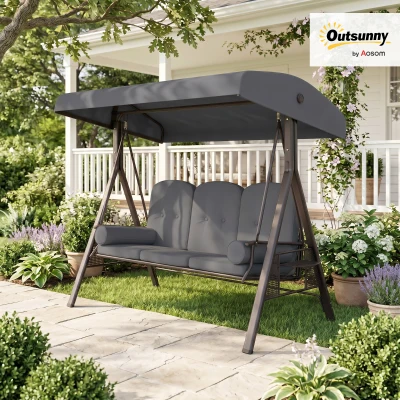
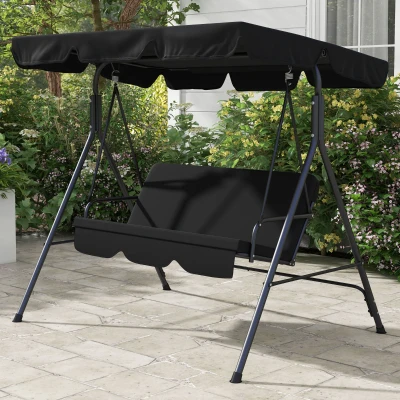
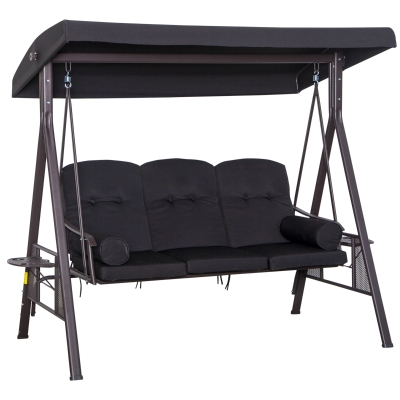
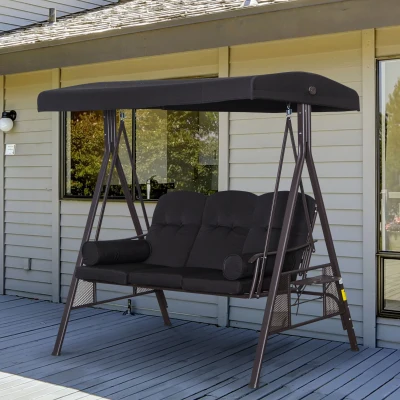
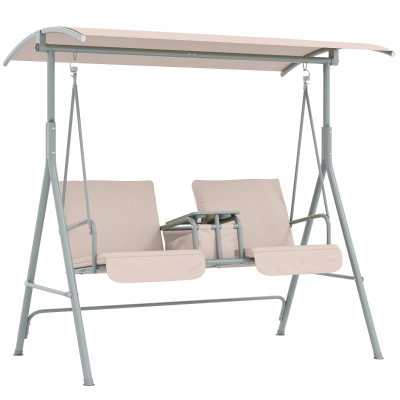
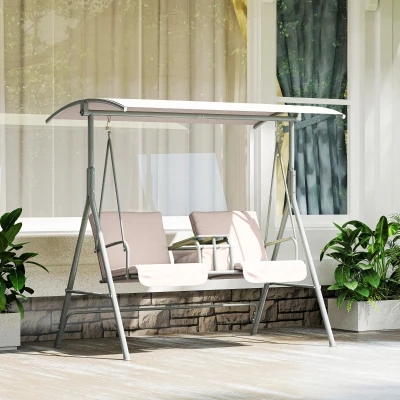
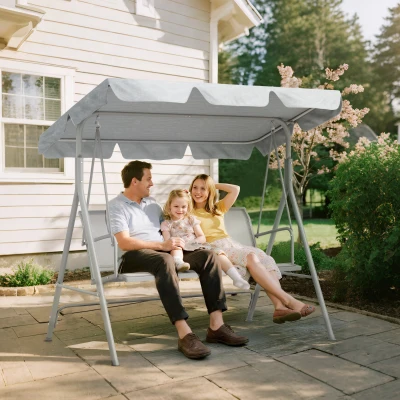
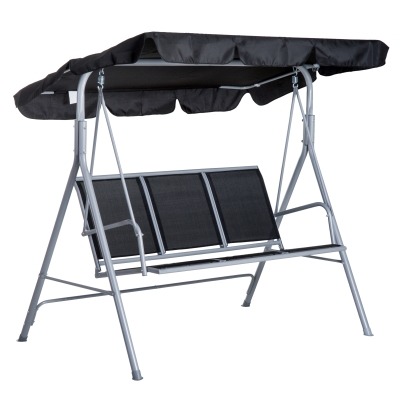
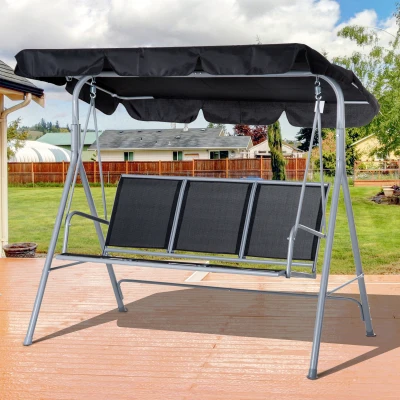
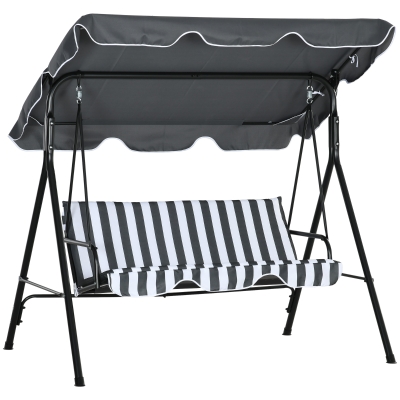
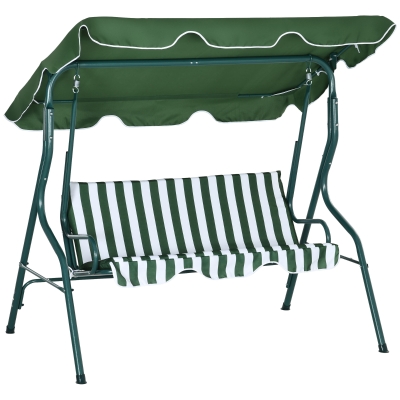
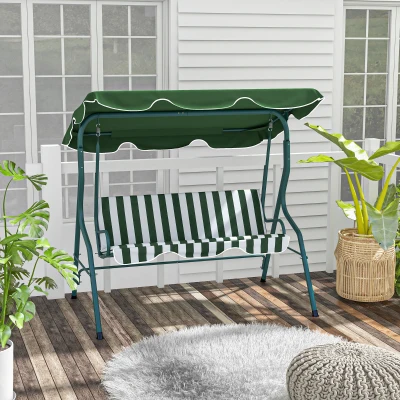
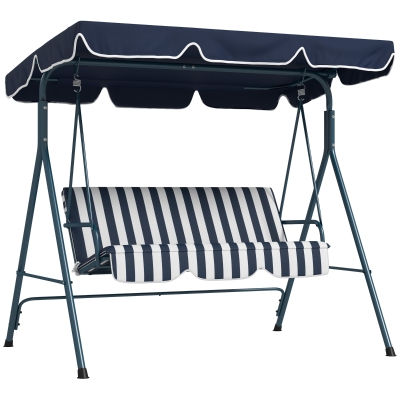
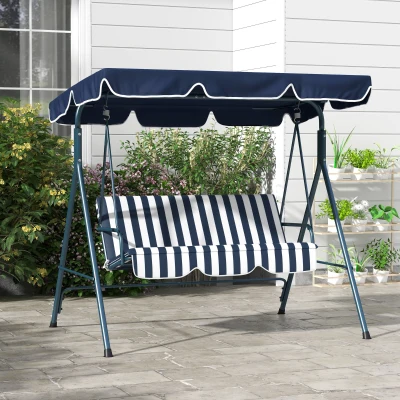
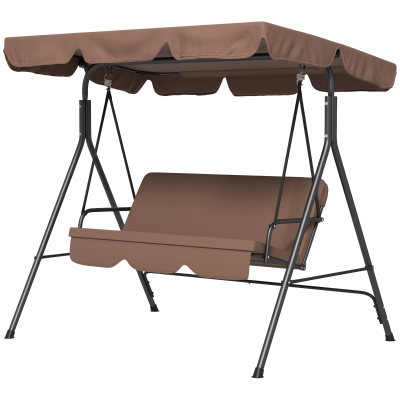
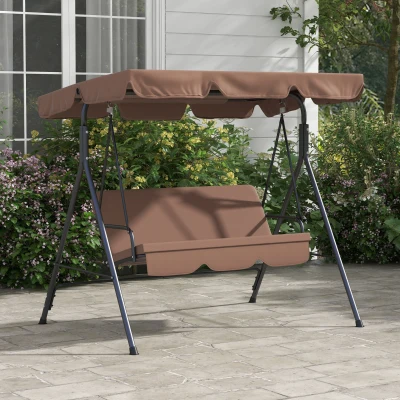
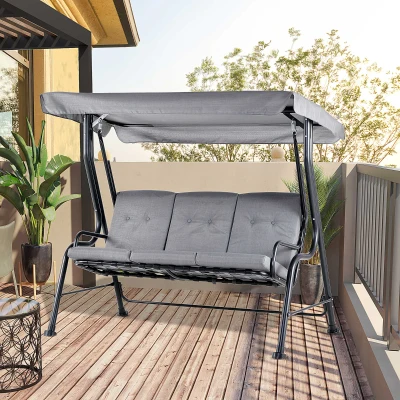
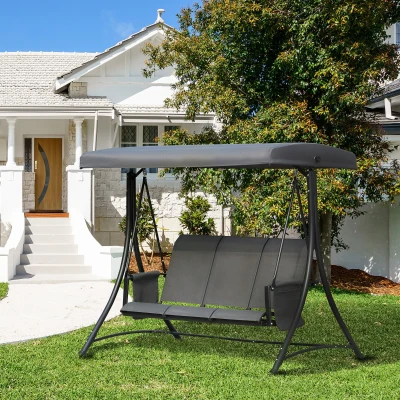
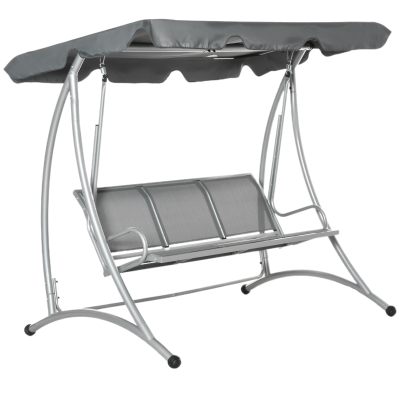
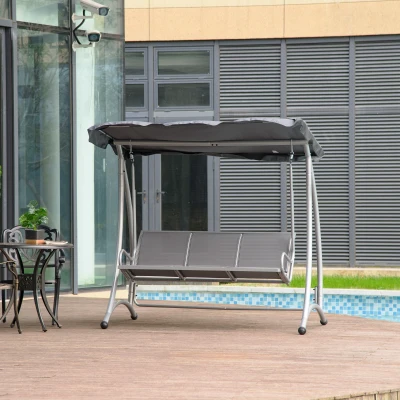
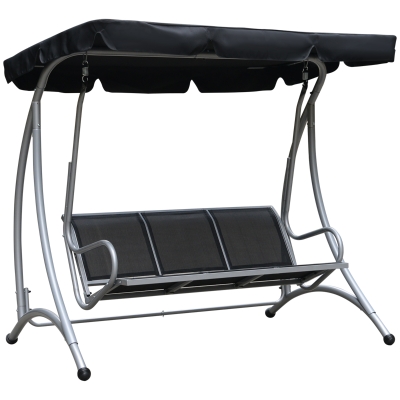
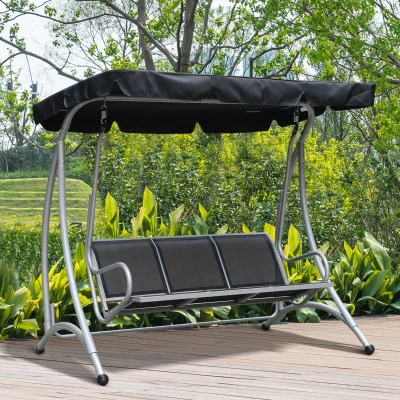
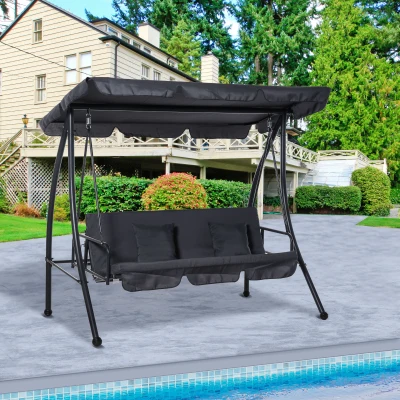
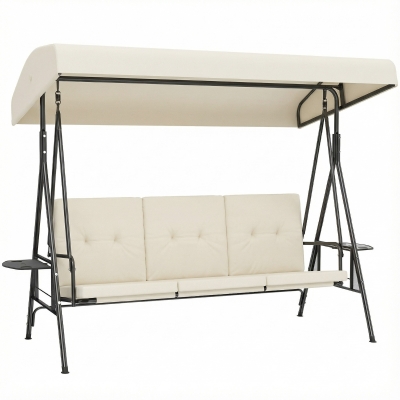
Seat capacity affects both comfort and footprint. A 2‑seater swing chair is ideal for balconies, compact patios, and porch corners where space is limited. It leaves room for side tables or planters without crowding the area. A 3‑seater swing chair, on the other hand, makes better use of larger gardens, poolside zones, and family seating areas. As a practical rule, allow at least 60‑80 cm of clearance behind and in front of the swing arc, plus 20‑30 cm on the sides. For compact gardens, explore our selection of 2‑seater swing chairs – designed to fit smaller patios without sacrificing comfort. If you have plenty of room and often entertain, our 3‑seater swing chairs offer generous seating for the whole family.
2. Frame Material: Wood, Steel or Weather‑Resistant Metal
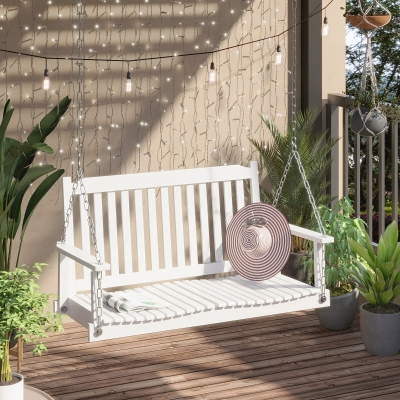
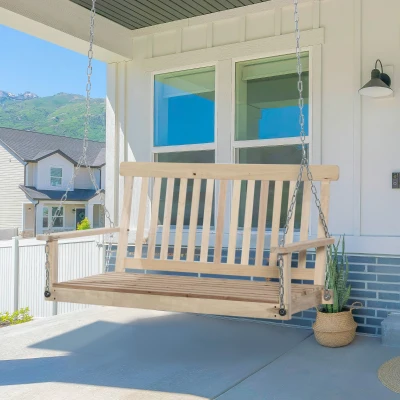
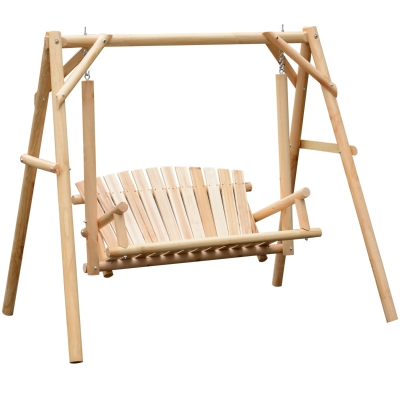
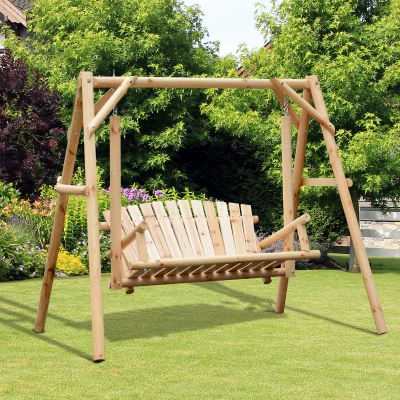
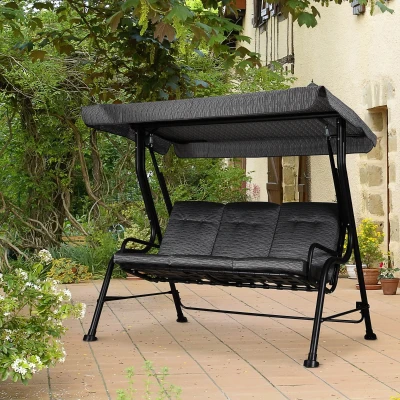
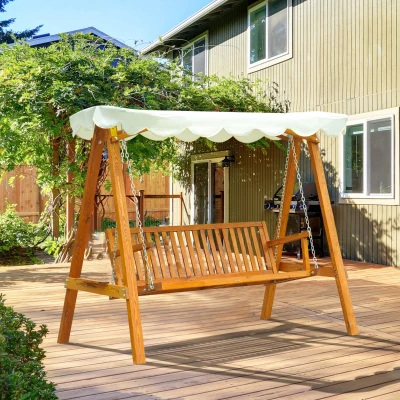
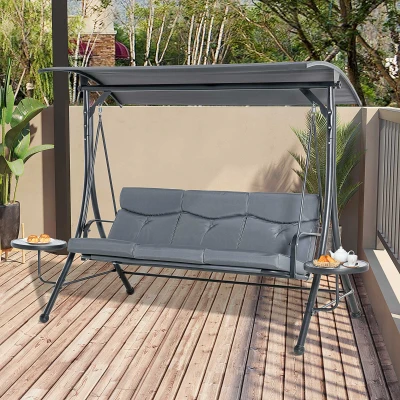
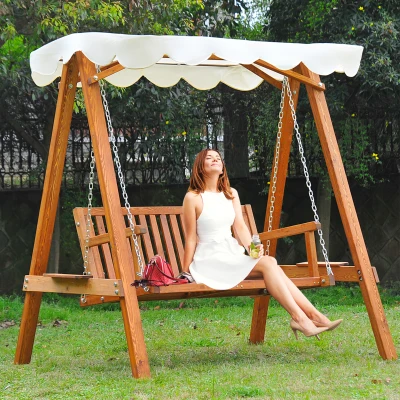
The frame dictates durability and style. Steel and powder‑coated metal frames are popular for their strength and low maintenance – they resist rust and handle frequent use well, making them perfect for open gardens or damp climates. For a reliable metal frame, check out the steel swing chairs collection, built to last through many seasons. Wooden swing benches (often made from fir, acacia or natural log) bring a warm, rustic charm that blends beautifully with lawns and cottage‑style gardens, but they require occasional sealing or oiling to prevent weathering. The wood swing chairs range offers timeless appeal for those who love natural materials. For a softer visual look, rattan‑effect finishes are also available. Whichever material you choose, check for weather‑resistant coatings and tighten hardware every few months.
3. Adjustable Canopy: Is It Worth It?
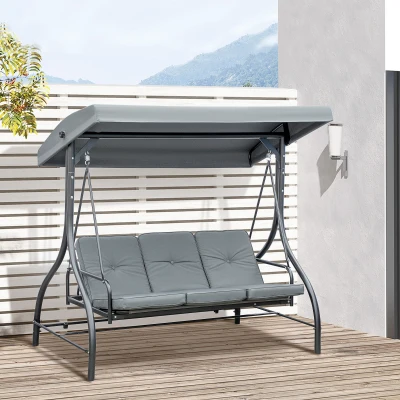
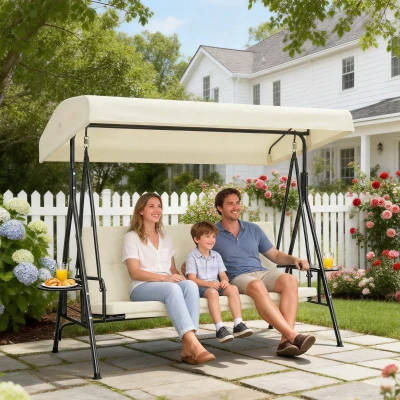
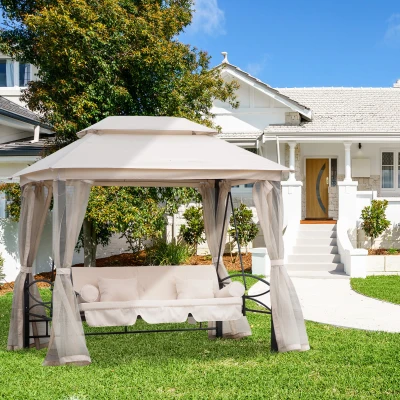
In many outdoor setups, a tilting or adjustable canopy quickly becomes one of the most useful features. It reduces glare during afternoon sun, protects seat cushions from fading, and extends the usable hours of the swing – especially in south‑facing gardens or exposed patios. If your seating area already sits beneath a pergola or covered roof, you may prefer a cleaner bench profile without a canopy. But for open spaces, a model with an adjustable top adds everyday value.
4. Comfort Features That Make a Real Difference
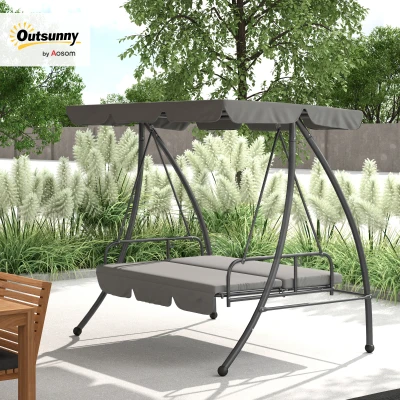
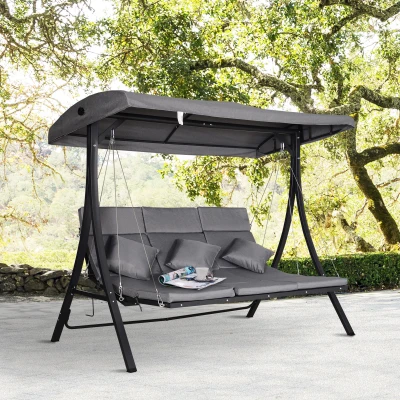
Two swings may look similar in photos, but small details change the experience. Look for padded cushions (preferably with removable, washable covers), high back support, armrests, cup trays or side tables, and storage bags for books or phones. Convertible models – like the 2‑in‑1 swing chair lounger or 3‑seater that reclines into a bed – are especially useful if you want to nap or sunbathe. However, they require more space, so always compare the product’s full reclined depth with your available patio area.
5. Matching the Swing to Your Outdoor Setting
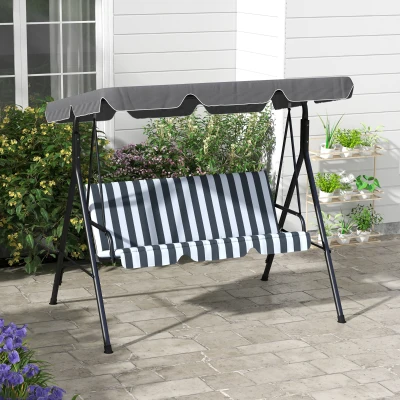
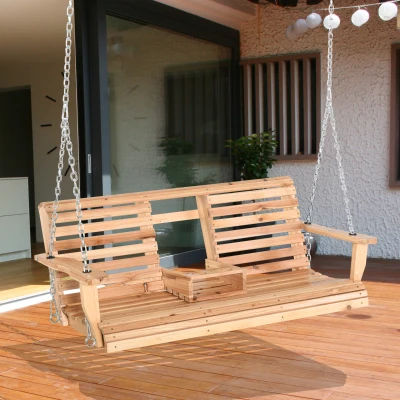
Not every swing suits every location. A porch swing bench or 2‑seater metal swing works well on narrow decks and covered entrances. A 3‑person patio swing chair fits better in open garden layouts where there is room for the full swing motion and surrounding furniture. If you entertain often, swings encourage longer, relaxed conversations. For more upright seating, traditional benches are still an option – but a well‑placed swing often becomes the favourite spot in the garden.
6. Maintenance Tips for Long‑Lasting Enjoyment
Outdoor swing chairs stay looking better for longer when you follow a simple routine:
- Clean regularly: Use a soft cloth with mild soap and lukewarm water on frames, canopy fabric and cushions. Rinse lightly and dry completely. Avoid abrasive pads, pressure washers, and bleach.
- Protect from extreme weather: Store cushions indoors when not in use. During heavy rain, frost or winter months, cover the swing with a fitted protective cover or move it under shelter.
- Tighten hardware: Every few months, check bolts and screws – especially on folding or adjustable parts.
- Treat wood: If you own a wooden swing bench, apply a weatherproof sealant or teak oil once a year to prevent cracking and warping.
FAQ
1.What size swing chair should I choose for a small patio or balcony?
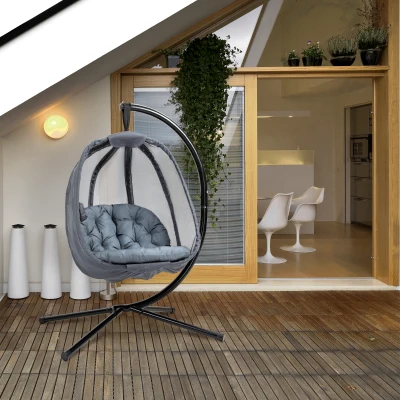
For compact spaces, a 2‑seater swing chair is typically the better fit. As a working guide, leave at least 60 cm clearance in front and behind the chair, and enough side space so the frame does not sit hard against a wall or railing. Always compare the product width with your usable floor space – many 2‑seater models are around 110‑130 cm wide, which fits comfortably on most balconies. If you have a very narrow area (under 100 cm wide), consider a hanging egg chair or a compact loveseat swing instead. Browse our 2‑seater swing chairs for space‑saving designs that still offer great comfort.
2.Is a canopy really necessary on an outdoor swing chair?
In open gardens and sun‑exposed patios – yes, it is often worth having. An adjustable canopy reduces direct sun, improves comfort during midday use, and helps protect cushions from fading. If the swing will sit under a covered porch, pergola, or sheltered terrace, a canopy is less essential and a simpler porch swing may be enough. However, note that even under a pergola, dappled sunlight can still cause glare, so a removable or tiltable canopy offers the best flexibility. Models with a canopy also add a cosy, sheltered feel that many users appreciate.
3.How do I clean and maintain my swing chair properly?
Regular care keeps your swing chair safe and attractive. Weekly cleaning: brush off leaves and debris; wipe down metal frames and cushions with a damp cloth and mild soap. Never use bleach, acetone, or abrasive scouring pads – they damage powder coating and fabric. Seasonal maintenance: Lubricate moving parts (like folding mechanisms or chains) with silicone spray once a year. For wooden swings, inspect for splinters or loose screws and apply wood protector before winter. Storage: If you live in an area with harsh winters, disassemble or move the swing into a shed or garage. At the very least, invest in a breathable, water‑resistant cover. Cushions should always be stored indoors when not in use for extended periods.
Final Thoughts: Make Your Garden Swing the Heart of Outdoor Living
A well‑chosen swing chair should feel comfortable in daily use, suit the size of your garden or balcony, and remain manageable to care for across the seasons. By comparing seat capacity, frame material, canopy design, and comfort extras, you can narrow down the right option for your outdoor lifestyle. Whether you prefer the classic charm of a wood swing chair, the low‑maintenance strength of a steel swing chair, or the flexibility of different seating capacities – there is a model waiting to become your favourite spot to read, nap, or simply watch the sunset.
⚠️ Safety note: Always ensure your swing chair is placed on a level surface. Maximum weight limits (typically 200‑300 kg for 3‑seaters) must never be exceeded. Supervise children when using the swing, and check chains or hanging mechanisms regularly for wear.