


































Garden Planter Box: How to Choose the Most Durable Material for Your Growing Needs
You've picked the perfect spot in your garden — sunny, sheltered, and ready for planting. Now comes the big question: what kind of garden planter box should you buy? Walk into any garden center and you'll see wood, galvanised steel, metal, and even plastic options. Each has its own strengths and weaknesses, and the right choice depends on your climate, your budget, and what you plan to grow.
A planter box is an investment. Unlike a cheap plastic pot that cracks after one season, a well-made raised garden bed can last for years — if you choose the right material. Let's break down the pros, cons, and best uses for each material so you can make a confident decision.
Wood: Natural Beauty with Proper Care
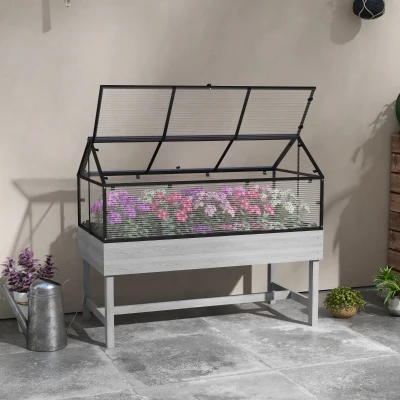
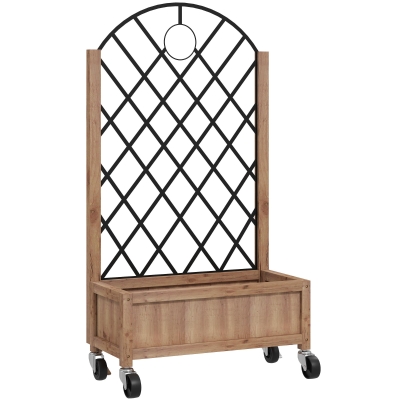
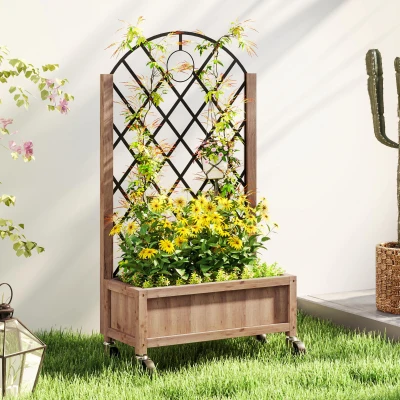
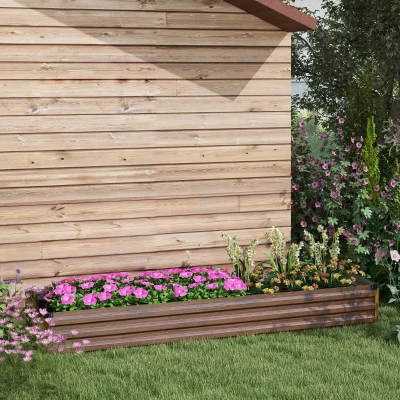
Wood is the classic choice for garden planters, and for good reason. It looks beautiful, blends naturally into any garden setting, and is easy to work with. But wood also requires maintenance — and if you skip it, your wooden planter box won't last long.
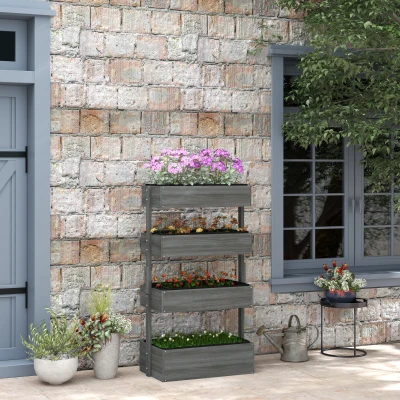
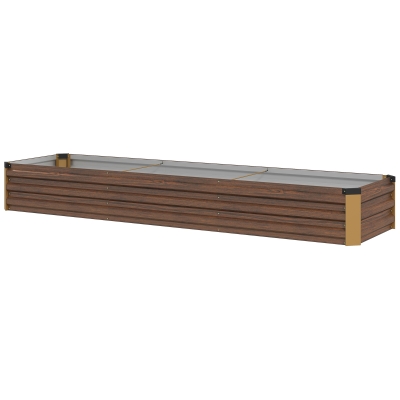
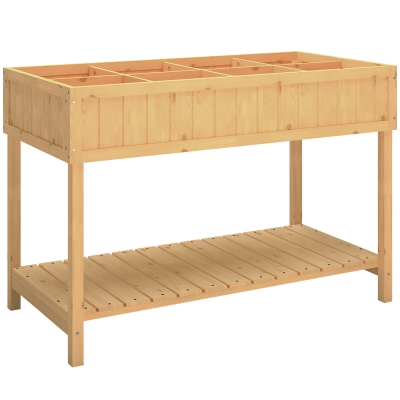
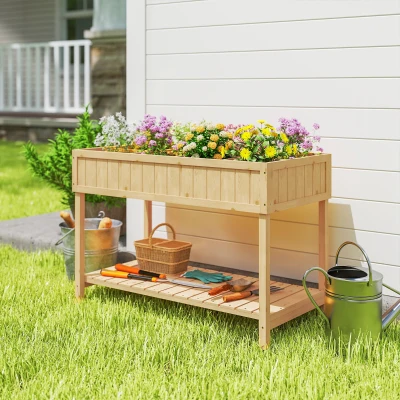
The most common wood used in raised garden beds is spruce or fir, often pre-treated with oil to resist moisture. Some models are made from naturally rot-resistant woods, though these are less common in the retail market. Pre-oiled spruce is a great middle-ground: it's affordable, looks warm and natural, and comes with basic protection against the elements.
What you need to know about wood planters:
- Pros: Beautiful natural appearance, blends with any garden style, easy to customize or paint, good insulation for plant roots (keeps soil temperature more stable).
- Cons: Requires annual maintenance (oiling or sealing), can rot if not treated, heavier than some alternatives, susceptible to pests like termites if not properly protected.
- Best for: Gardeners who enjoy natural aesthetics and don't mind annual maintenance, those with moderate climates, and anyone looking for a traditional garden look.
- Lifespan with proper care: 5-10 years.
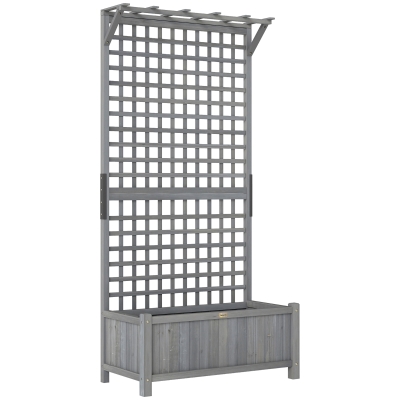
- Watch for: Always check if the wood has been pre-oiled or treated. Untreated wood will rot within a single season. Look for models with a liner inside — this acts as a barrier between the damp soil and the wood, dramatically extending the planter's life.
Galvanised Steel: The Heavy-Duty Performer
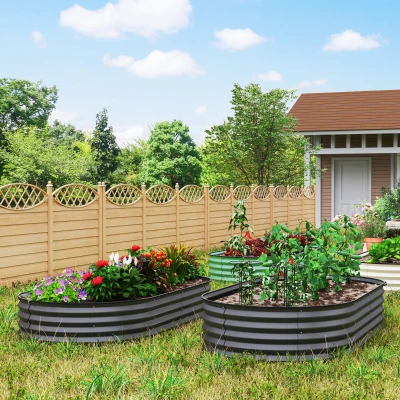
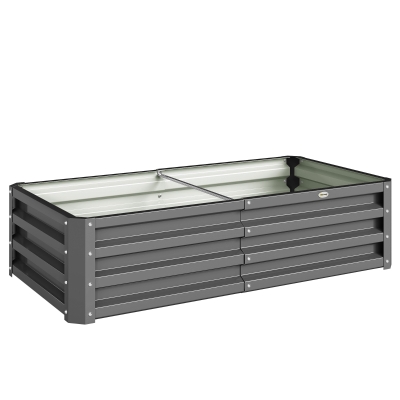
If you want a planter box that's nearly indestructible, galvanised steel is your answer. This material dominates the market for serious vegetable gardeners and anyone who wants a low-maintenance, long-lasting solution.
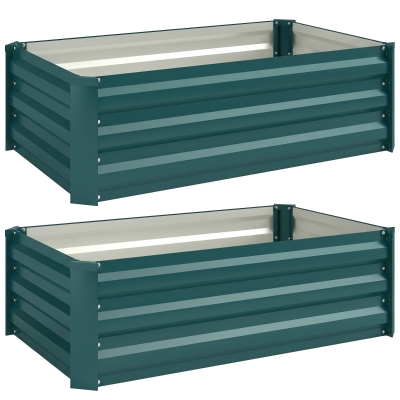
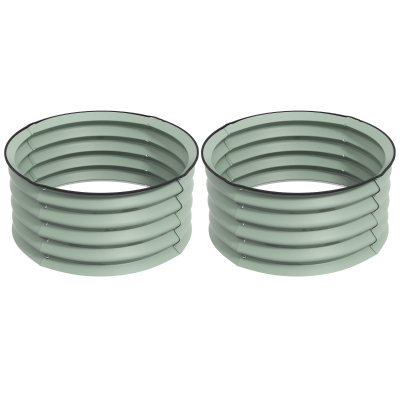
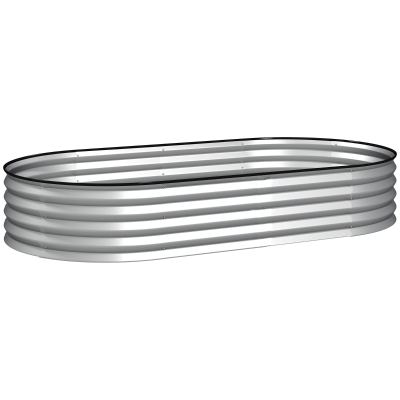
Galvanised steel is steel that's been coated with a protective layer of zinc to prevent rust. It's the same material used for water tanks, roofing, and agricultural equipment. When used in raised garden beds, it offers unmatched durability.
What you need to know about galvanised steel planters:
- Pros: Extremely durable, rust-resistant, very low maintenance (no annual sealing), holds its shape, ideal for growing vegetables, lightweight compared to wood for the same strength.
- Cons: Can get hot in direct sunlight (though most plants adapt), industrial appearance that doesn't suit every garden style, requires careful handling during assembly (edges can be sharp on some models).
- Best for: Vegetable gardeners, anyone with a large garden who wants maximum durability, low-maintenance gardeners, and those in wet or humid climates.
- Lifespan: 15-25 years or more.
- Watch for: Quality matters. Look for safety edging — folded edges that protect you from sharp metal cuts. Some models include gloves with the kit, which is a nice touch. Also look for open bottom designs if you want plants to root into the ground below, or closed bottoms if you're placing the planter on a patio or balcony.
Metal (Powder-Coated Steel): Modern Design with Protection
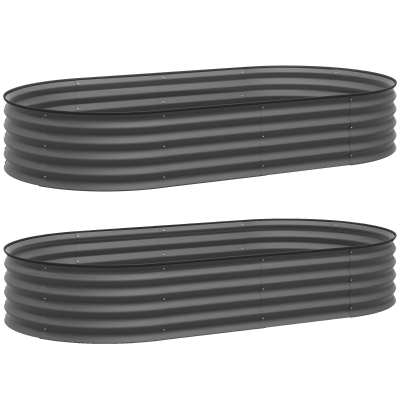
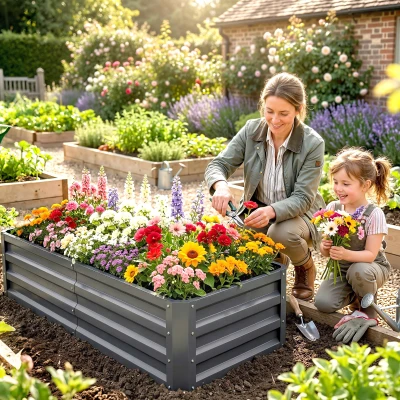
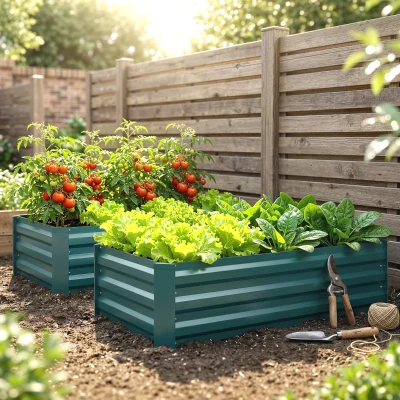
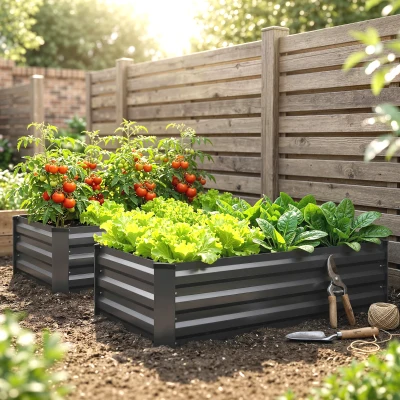
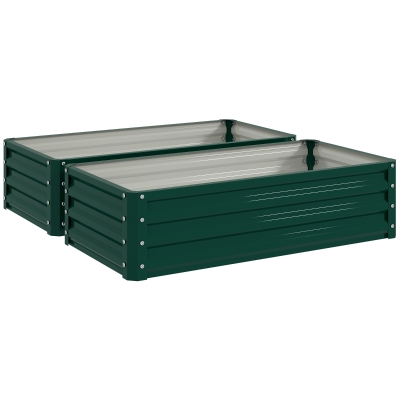
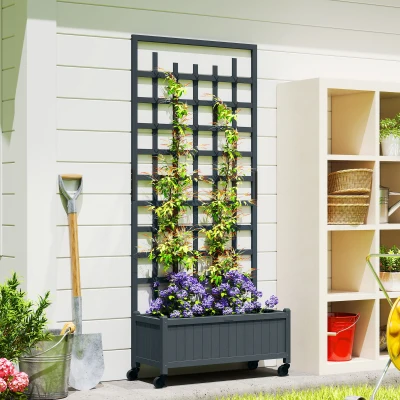
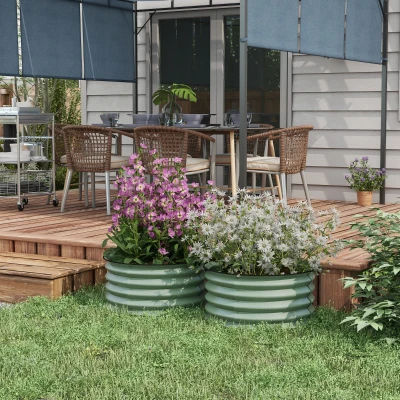
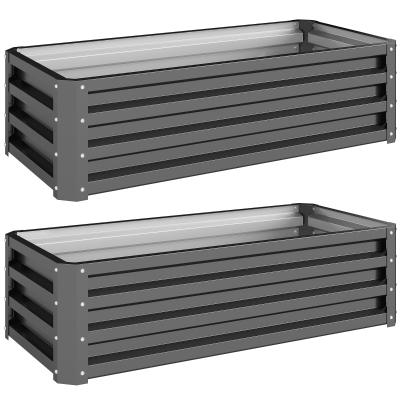
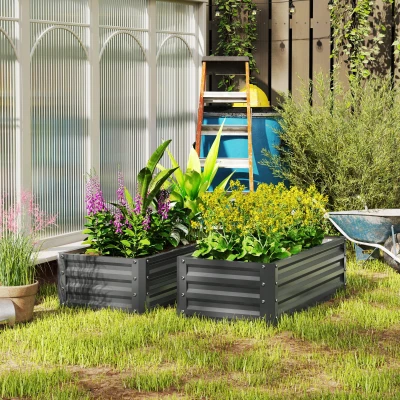
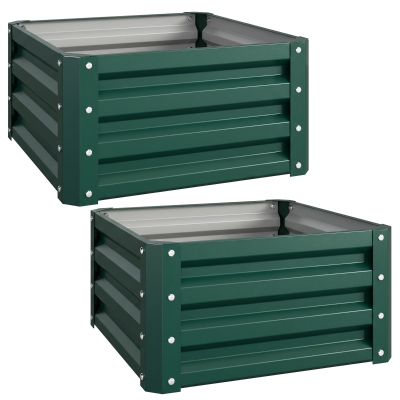
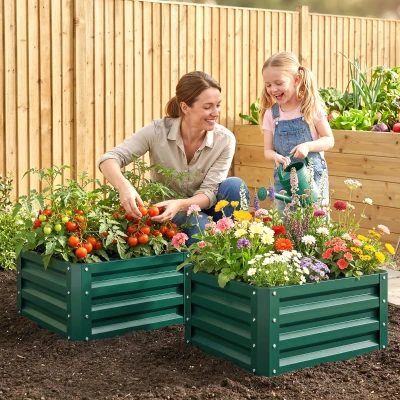
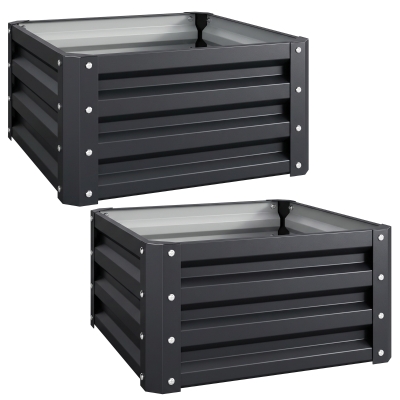
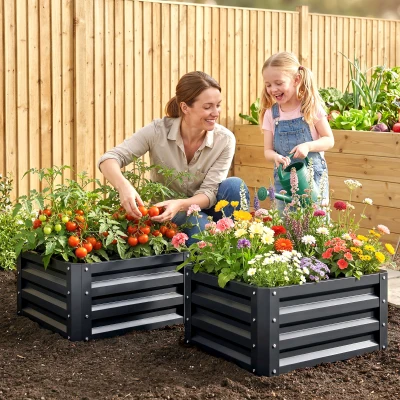
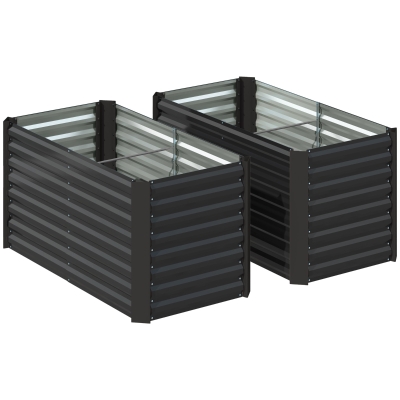
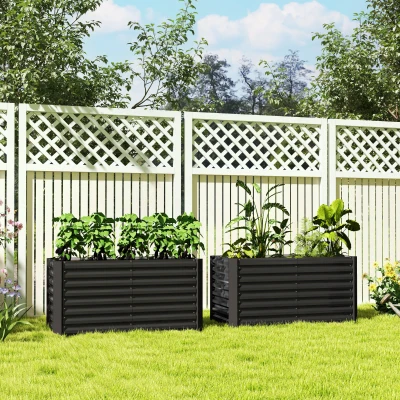
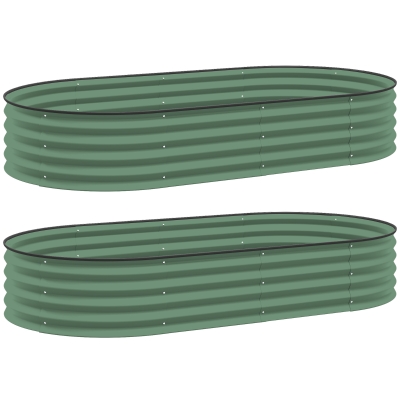
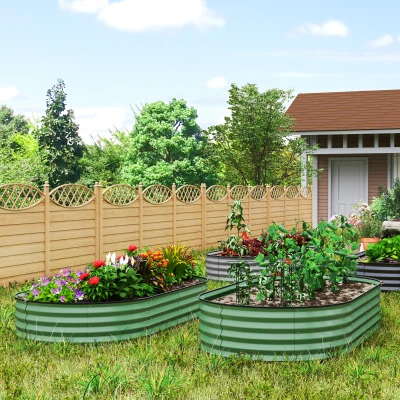
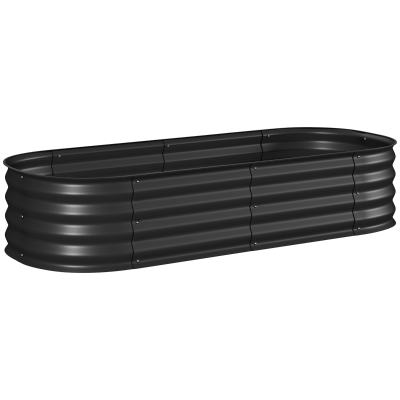
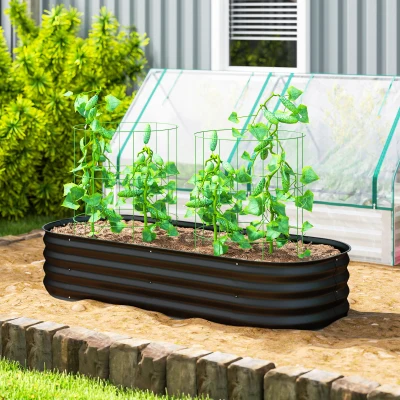
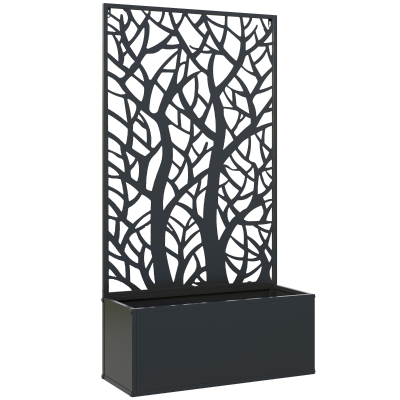
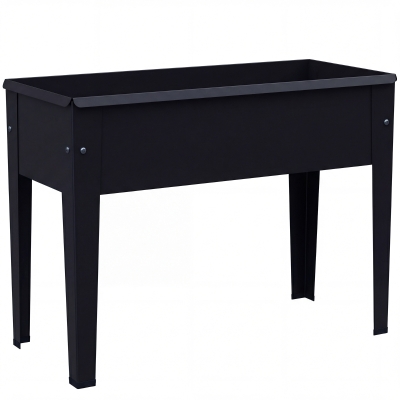
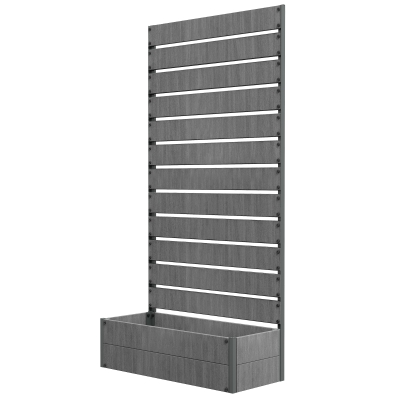
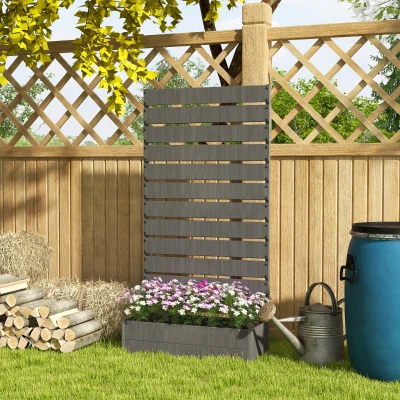
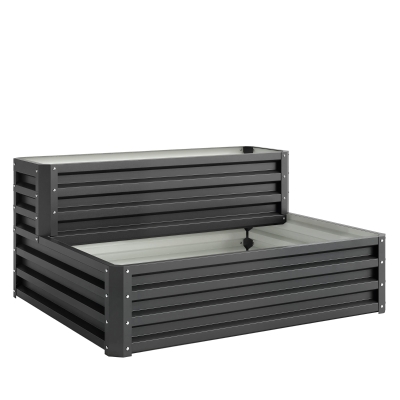
While galvanised steel is the heavy-duty workhorse, powder-coated steel planters offer a different set of advantages. These are steel planters that have been coated with a layer of colored powder, baked on for a durable, decorative finish.
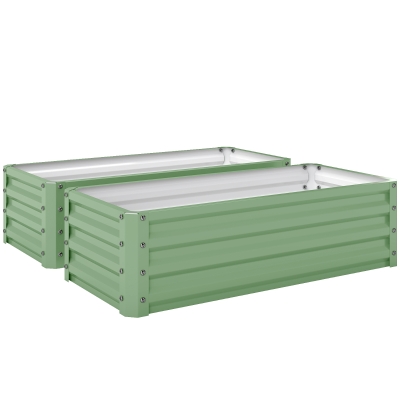
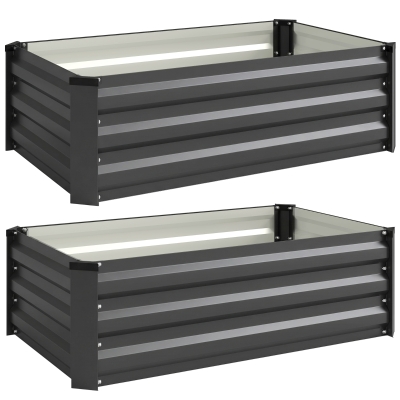
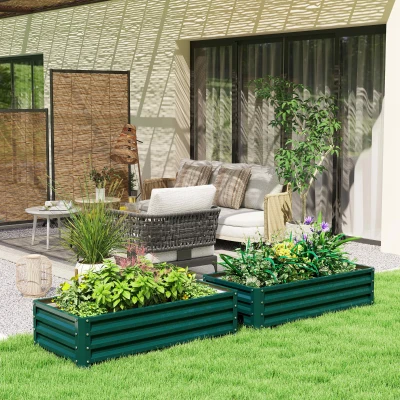
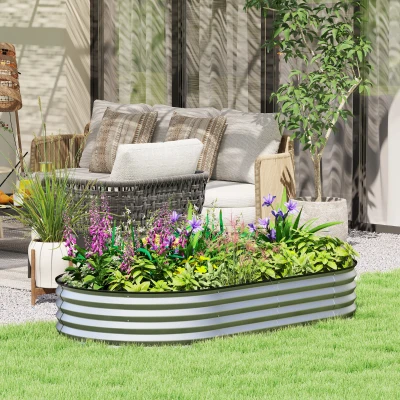
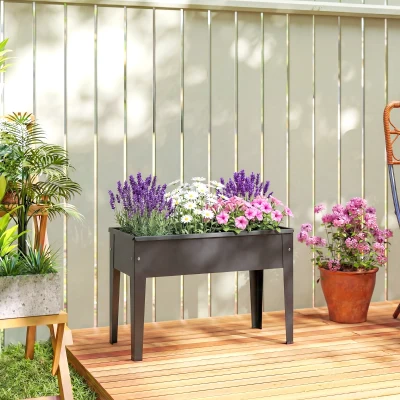
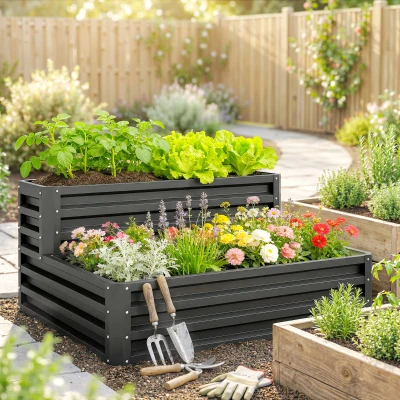
The powder coating adds a layer of rust protection while also giving you color options — dark grey, charcoal grey, green, white, and even light green are common. These metal planters are often more decorative than their galvanised counterparts, making them a popular choice for patios, terraces, and urban gardens.
What you need to know about powder-coated steel planters:
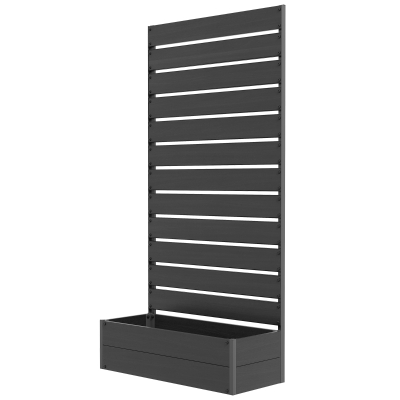
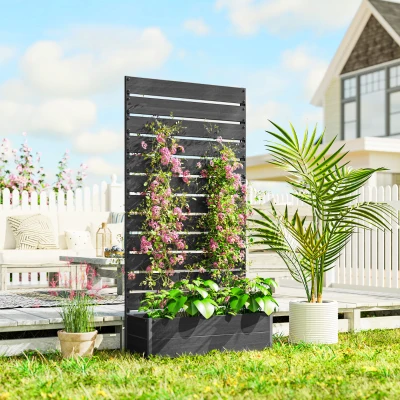
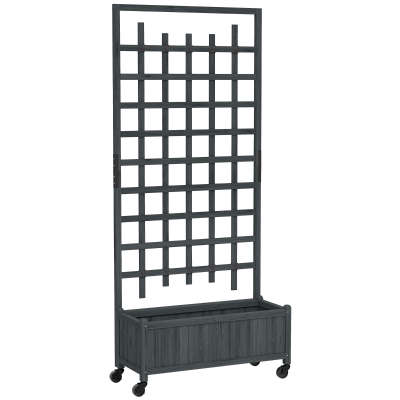
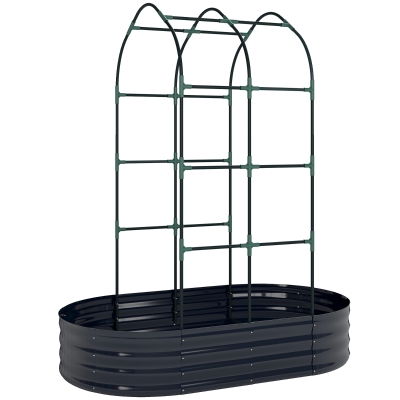
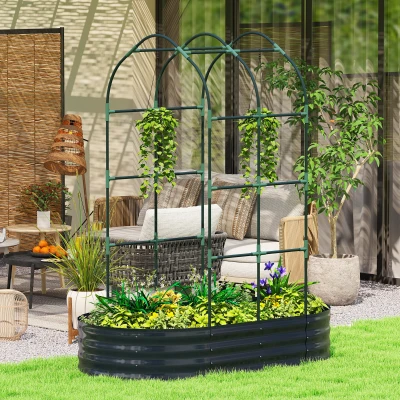
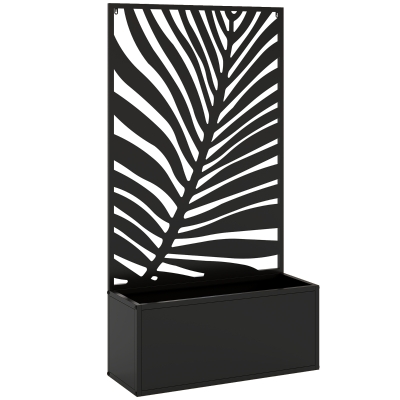
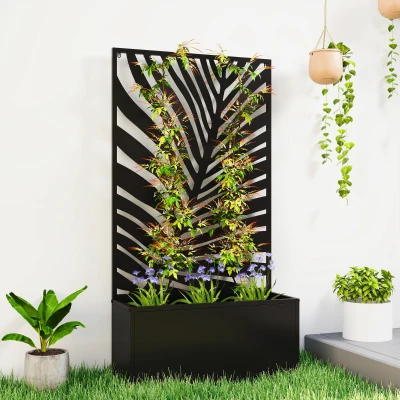
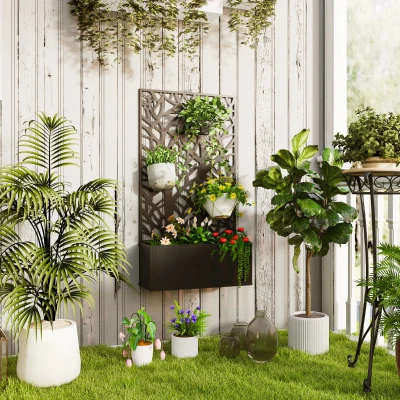
- Pros: Rust-resistant, available in multiple colors to match your decor, modern and clean appearance, durable, often includes extra features like trellises, wheels, or shelves.
- Cons: More expensive than bare wood, can scratch (scratches expose the metal to rust), may need touch-up paint if scratched.
- Best for: Patios, balconies, modern gardens, anyone who wants both durability and style.
- Lifespan: 10-15 years (depending on coating quality).
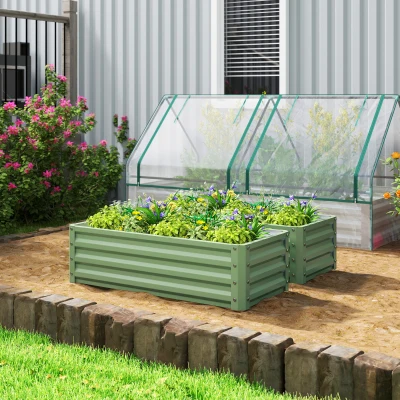
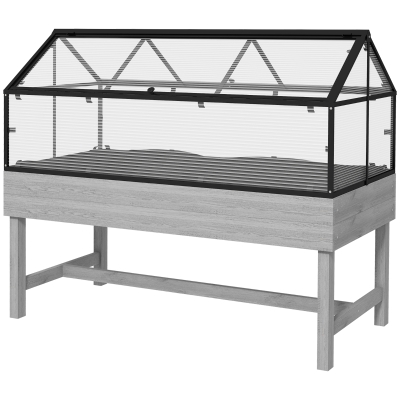
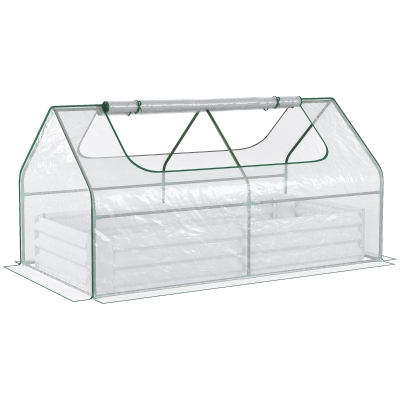
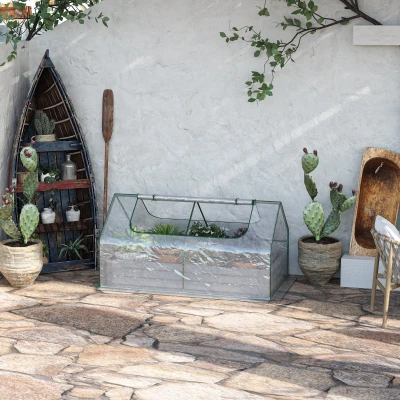
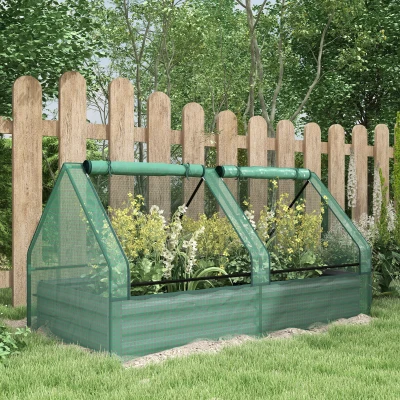
- Watch for: The coating is the only thing protecting the steel from rust. Check for scratches before buying, and avoid dragging the planter across rough surfaces. Some models come with greenhouse covers or trellises attached — great for climbing plants.
Key Features That Extend the Life of Any Planter
No matter which material you choose, certain design features make a big difference in durability and usability. Look for these when comparing planter boxes:
- Drainage holes: Essential for plant health. Without them, water collects at the bottom and causes root rot. Most quality planters include them.
- Liner: A fabric liner inside the planter creates a barrier between the soil and the planter walls. This protects wood from rot and prevents soil from washing out through drainage gaps.
- Open bottom: Planters with an open bottom allow roots to grow into the ground below — beneficial for deep-rooted vegetables. They also drain freely.
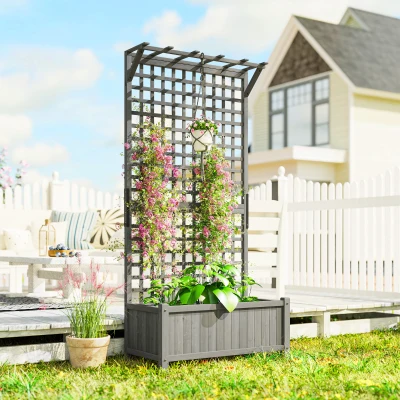
- Trellis: If you're growing climbing plants like peas, cucumbers, or roses, a built-in trellis saves you from buying a separate support structure.
- Wheels: For patios and balconies, wheels let you move the planter to follow the sun or shelter it from storms.
Match the Material to Your Climate
Your local weather should also influence your choice:
- Wet, humid climates: Galvanised steel is your best bet. It handles rain and damp without rotting or rusting.
- Coastal areas: Salt air corrodes many materials. Galvanised steel with a high-quality zinc coating or powder-coated steel is recommended.
- Hot, dry climates: Wood works well, but you'll need to seal it to prevent drying and cracking. Metal can get very hot in direct sunlight — consider placing it in partial shade or choosing a larger planter that holds more soil to insulate roots.
- Freezing winters: Wood and steel both handle freezing temperatures, but wood can crack if it absorbs water and then freezes. Choose well-sealed wood or galvanised steel with an open bottom for drainage.
Frequently Asked Questions
1. How long does a wooden planter box typically last?
A wooden planter box lasts between 5 and 10 years with proper care, depending on the wood quality and maintenance. Pre-oiled spruce that's re-oiled annually can last toward the longer end. Choosing a model with a liner and keeping it off the ground (on feet or a base) significantly extends its life. Without any care, a wood planter can rot in as little as 2-3 seasons.
2. Do galvanised steel planters rust?
Galvanised steel planters are rust-resistant, not rust-proof. The zinc coating protects the steel underneath, but it can eventually wear down, especially if scratched or exposed to salt air. A high-quality galvanised planter should last 15-25 years before showing any significant rust. For even better protection, some models include an additional powder coating.
3. What's the difference between galvanised steel and powder-coated steel planters?
Galvanised steel has a zinc coating that's visible as a matte, silver-gray finish. It's purely functional and very durable. Powder-coated steel has a colored paint-like coating baked onto it, offering both protection and design options. Powder-coating is available in colors like dark grey, green, and white, making it a more decorative choice. Both are rust-resistant, but powder-coated steel requires careful handling to avoid chipping the coating.
Choose the Right Material for Your Garden
Picking the right garden planter box comes down to balancing three things: your budget, your garden style, and how much time you're willing to spend on maintenance. Wood offers unbeatable natural beauty but asks for yearly care. Galvanised steel is the no-fuss heavy lifter that lasts for decades. Powder-coated steel sits somewhere in between — durable and stylish, with color choices to match your patio.
A well-chosen raised garden bed becomes a permanent part of your outdoor space. Take the time to match the material to your climate, your plants, and your lifestyle — and you'll enjoy years of happy growing.