

























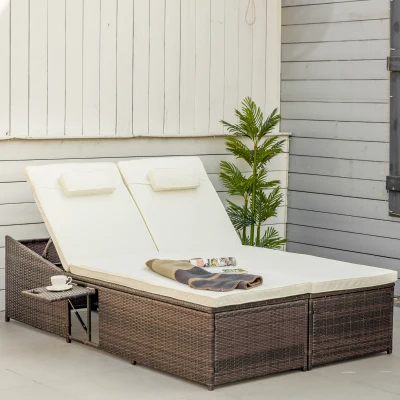



Buying Guide: How to Choose the Best PE Rattan Sun Lounger for Weather Resistance and Durability
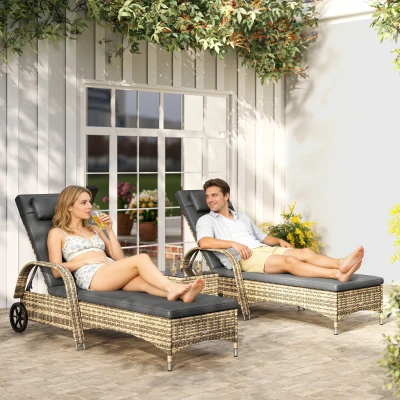
A rattan sun lounger is a popular choice for outdoor relaxation, offering a stylish and comfortable seating option for gardens, patios, and poolside areas. However, not all rattan is created equal – especially when it comes to withstanding the elements. With Ireland's unpredictable climate – frequent rain, strong winds, and UV exposure – the material and build quality of your rattan sun lounger directly affect how long it lasts and how well it maintains its appearance. This guide compares the key material features of PE rattan sun loungers, helping you choose a durable, weather-resistant lounger that will look great for years.
1. PE Rattan – The Ideal Material for Outdoor Furniture
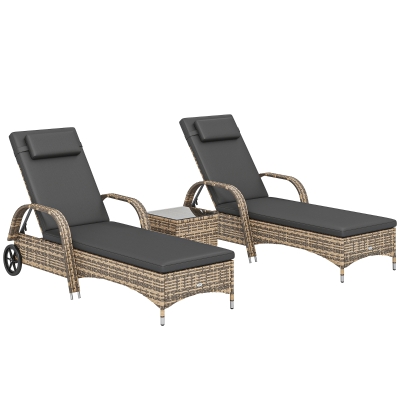
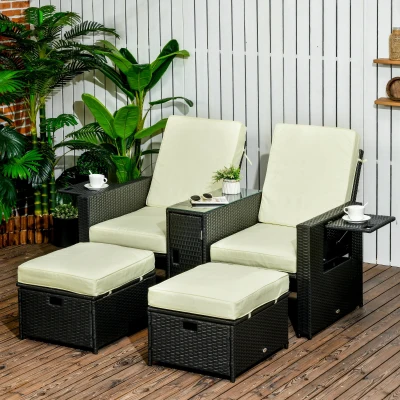
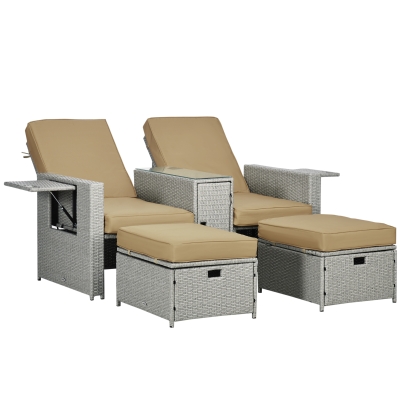
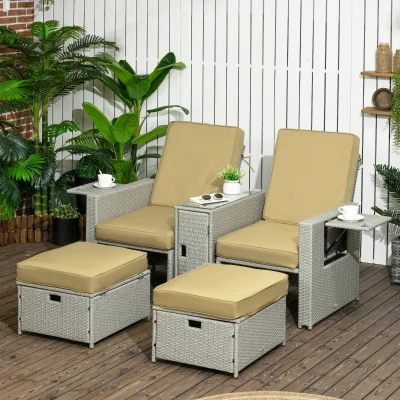
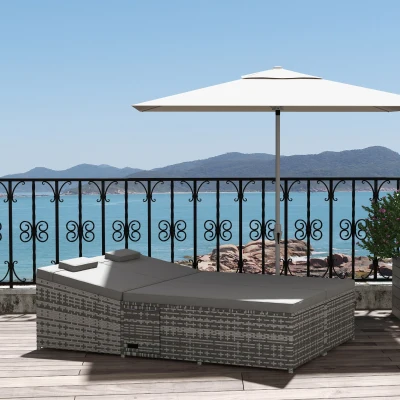
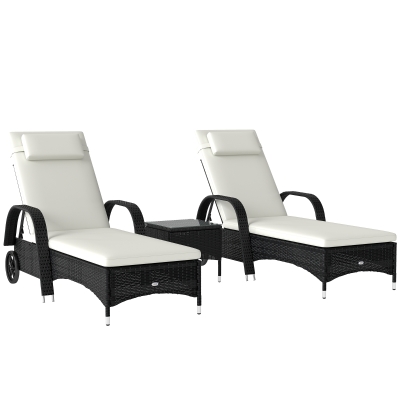
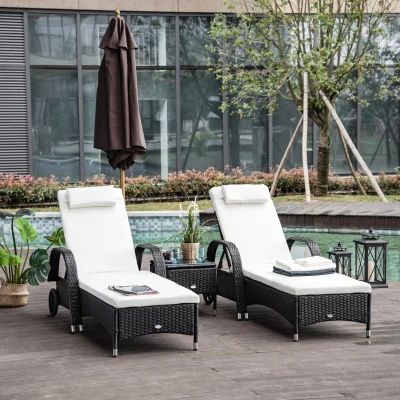
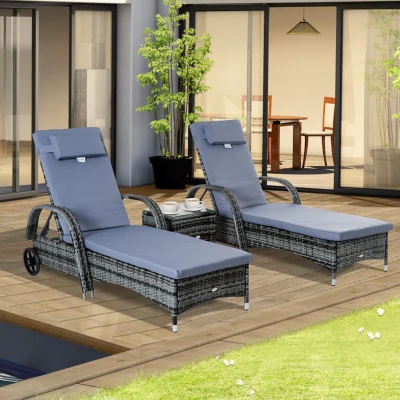
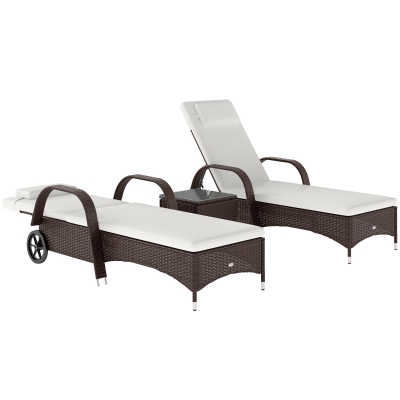
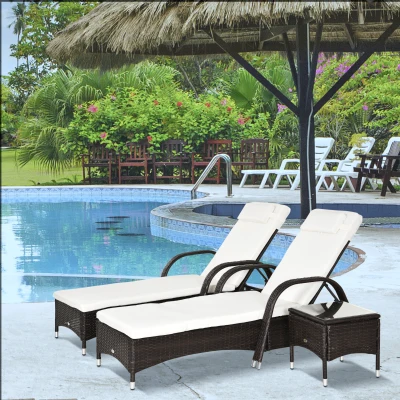
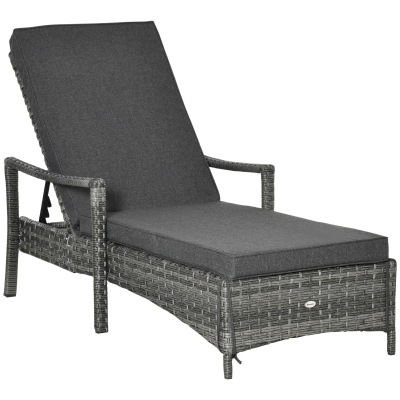
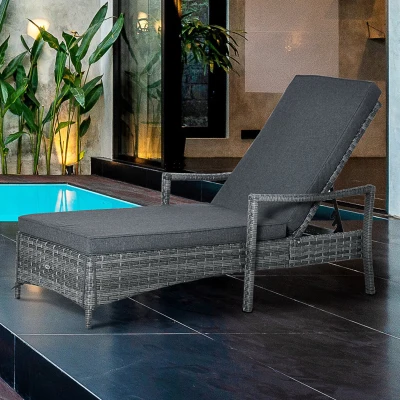
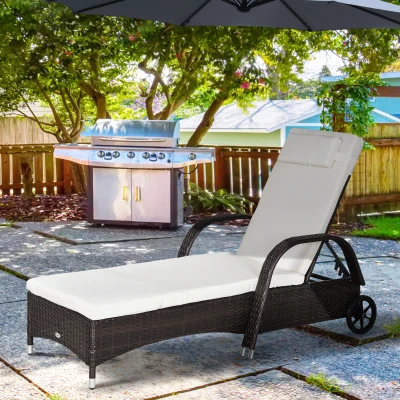
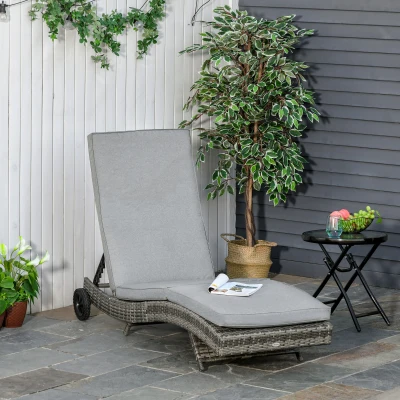
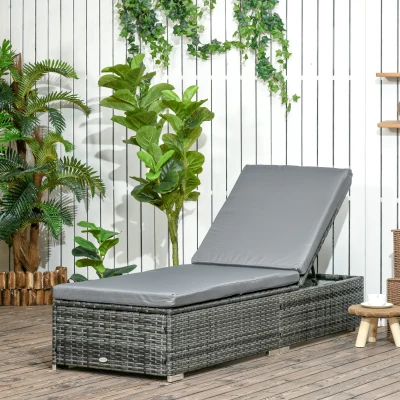
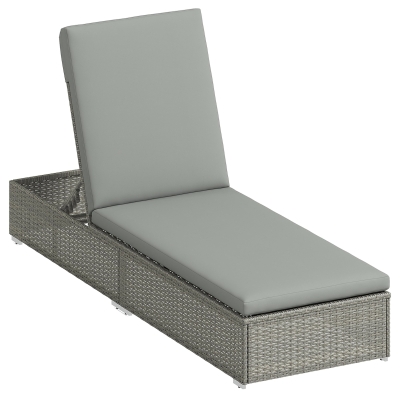
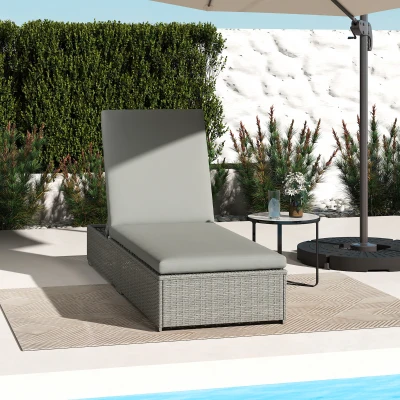
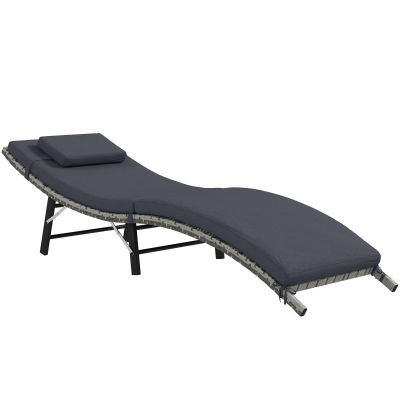
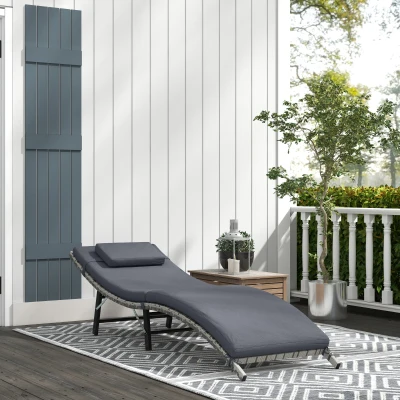
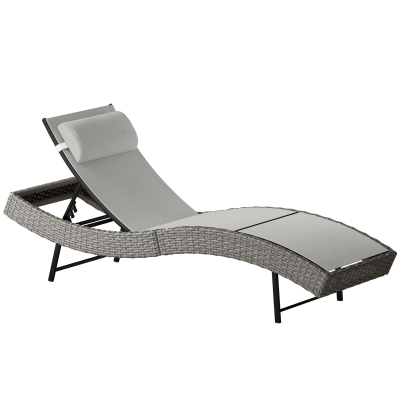
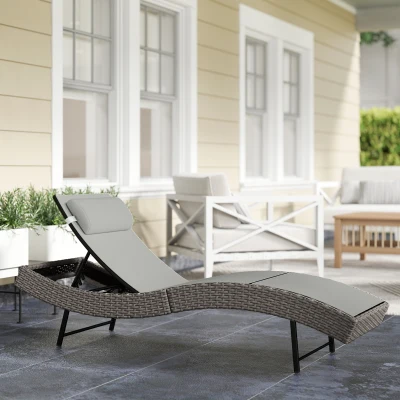
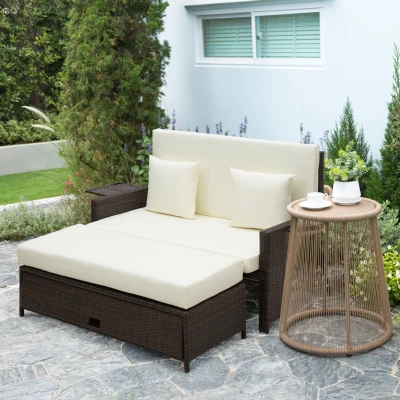
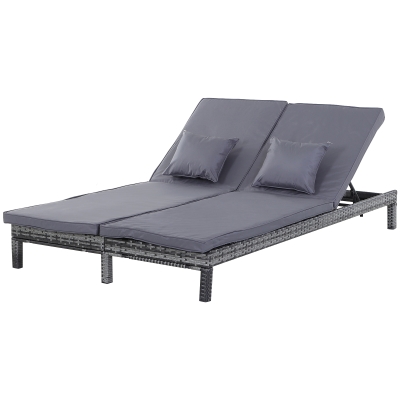
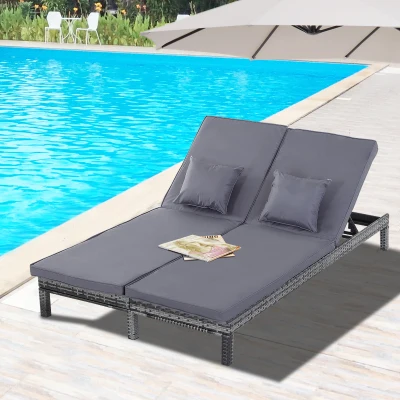
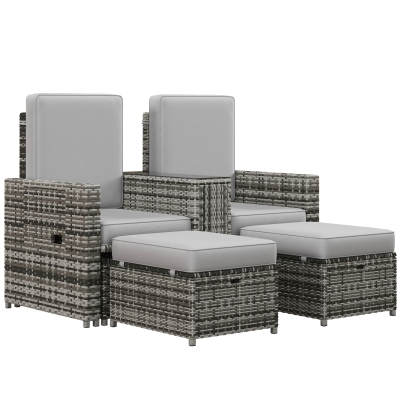
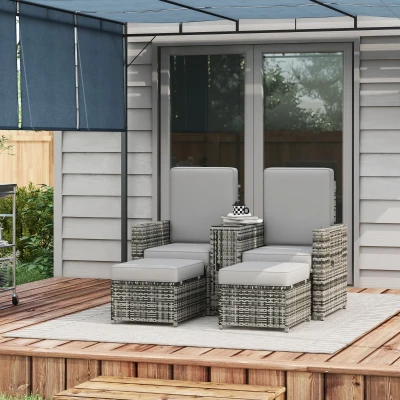
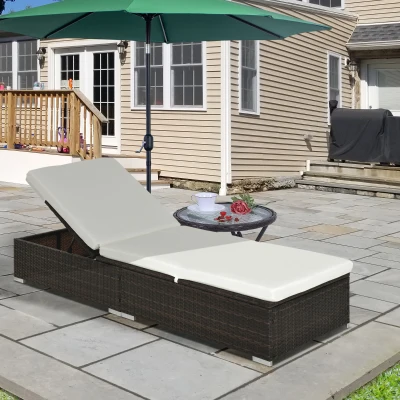
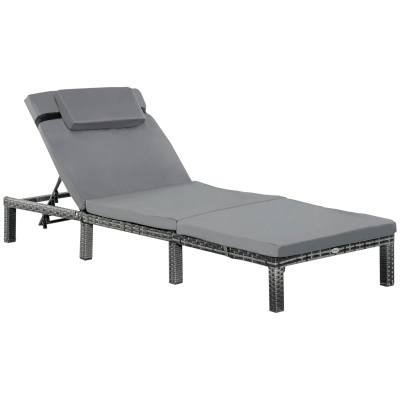
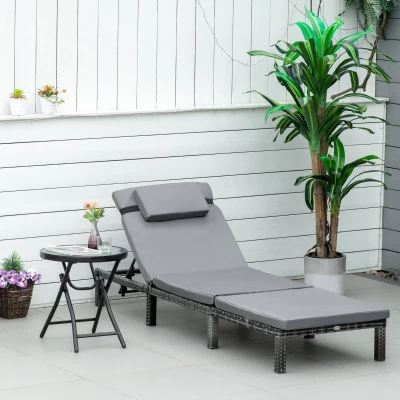
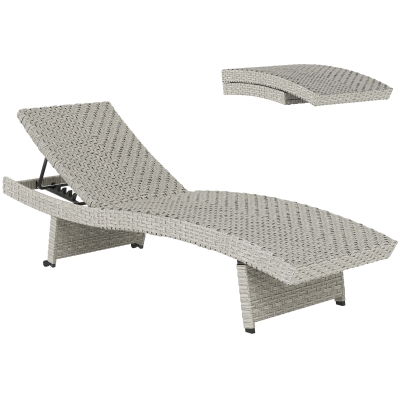
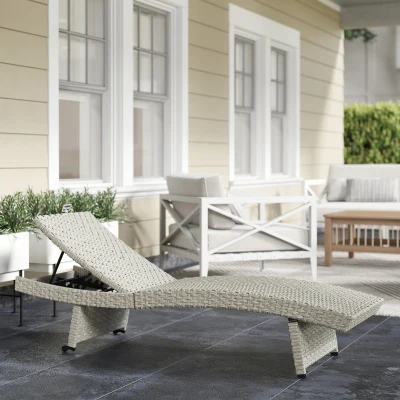
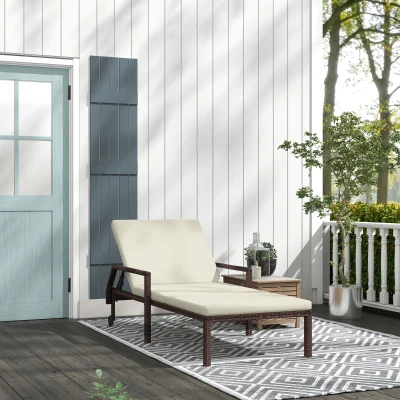
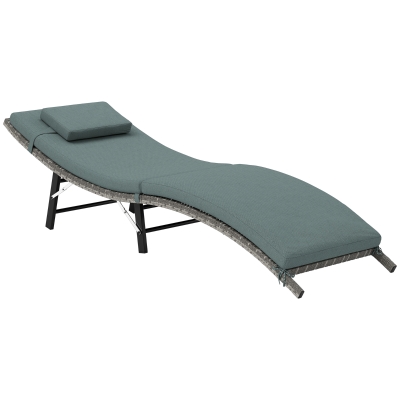
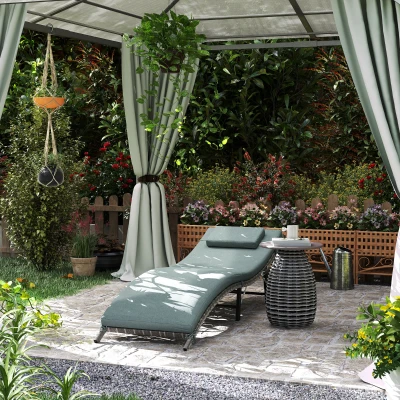
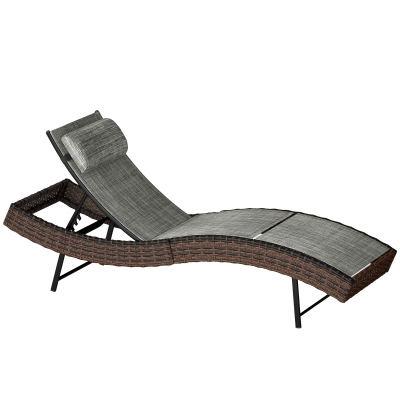
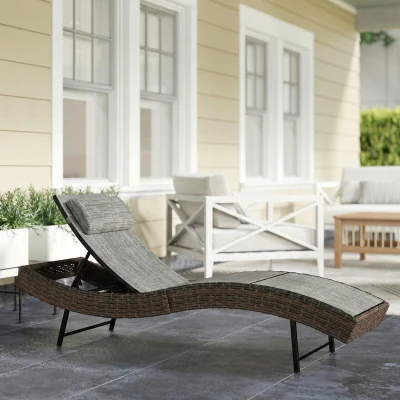
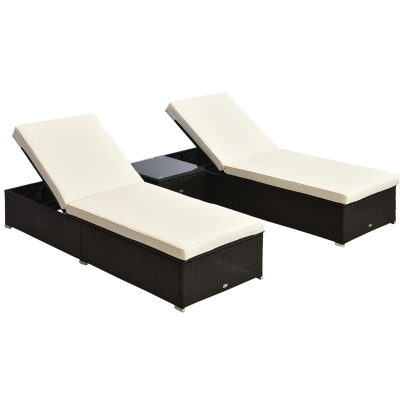
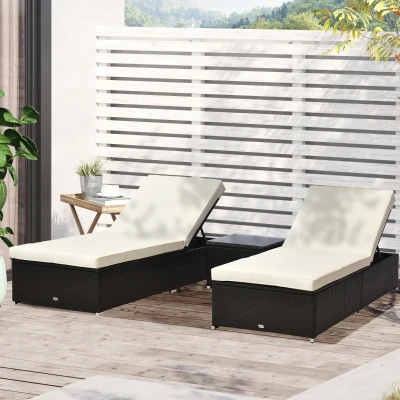
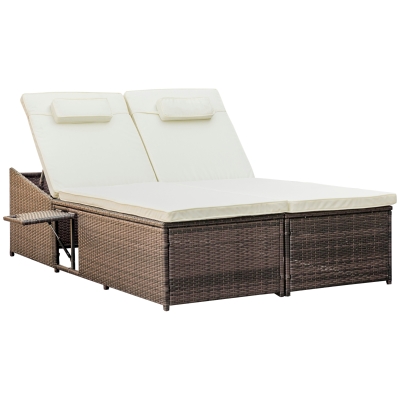
PE (polyethylene) rattan is a synthetic material designed specifically for outdoor use. Unlike natural rattan, which can absorb moisture and degrade over time, PE rattan is water-resistant, UV-stable, and easy to clean. Most Outsunny sun loungers, such as the Outsunny Poly Rattan Sun Lounger S-shaped and the Outsunny Patio Rattan Wicker Sun Lounger, are crafted from high-quality PE rattan that combines the classic wicker look with modern durability.
Key advantages: PE rattan is resistant to cracking, peeling, and fading – common problems with natural materials. It withstands rain, humidity, and sun exposure without warping or deteriorating. It's also lightweight, making it easy to move around your garden or patio.
2. Weather Resistance Features to Look For
When evaluating a rattan sun lounger, pay attention to these weather-resistant features:
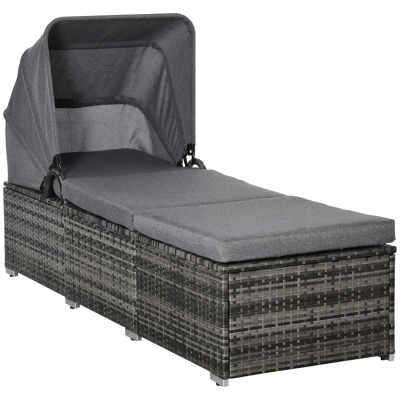
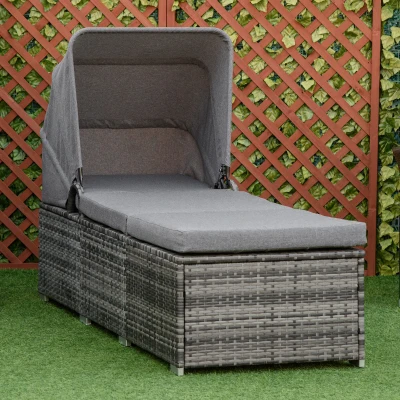
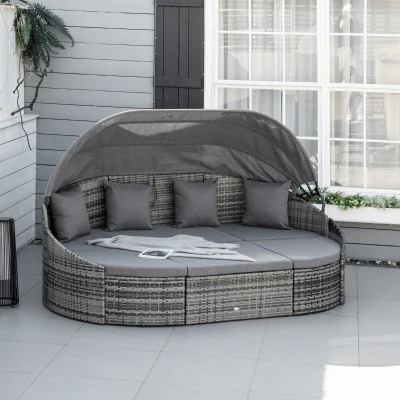
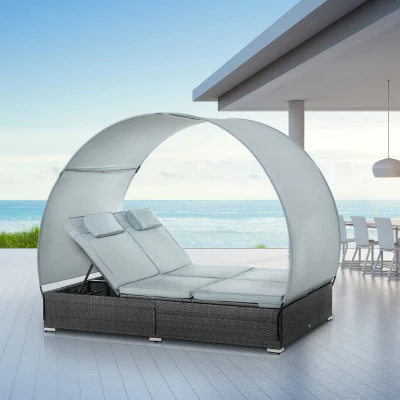
- UV-resistant rattan – prevents colour fading and material degradation from prolonged sun exposure. Models like the Outsunny Rattan Sun Lounger with Canopy offer added protection for both the user and the material.
- Water-repellent cushions – look for quick-drying, water-resistant fabric covers. Many Outsunny loungers come with removable, washable cushion covers, making them easy to clean and maintain.
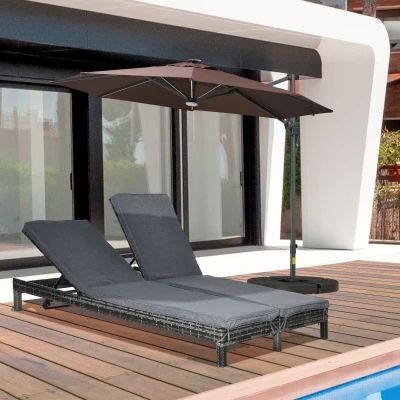
- Rust-resistant frames – most PE rattan loungers feature powder-coated steel or aluminium frames. Check for rust-proof finishes, especially if your lounger will be placed near a pool or in a coastal area.
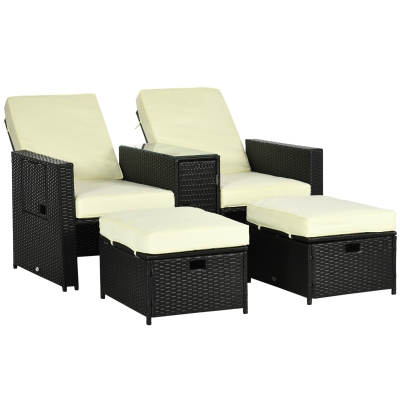
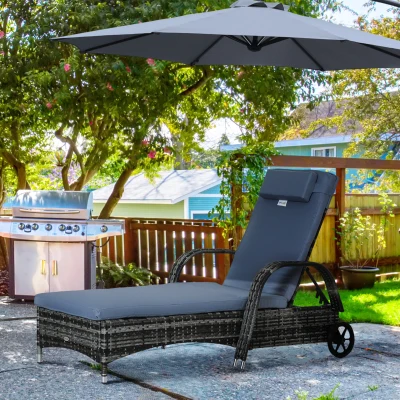
- Fire retardant materials – some models, such as the Outsunny Garden Rattan Furniture Single Sun Lounger Recliner, include fire retardant cushions for added safety, particularly important for garden use.
3. Material Comparison – PE Rattan vs. Other Outdoor Materials
The table below compares PE rattan with other common outdoor furniture materials, helping you understand why PE rattan is often the best choice for sun loungers:
| Material | UV Resistance | Water Resistance | Durability | Maintenance | Best For |
|---|---|---|---|---|---|
| PE Rattan | Excellent (UV-stabilised) | Excellent | High (5-10+ years) | Low (wipe clean, wash cushions) | All-weather outdoor use, gardens, poolside |
| Natural Rattan | Poor (fades quickly) | Poor (absorbs moisture) | Low (1-3 years outdoors) | High (needs sealing, careful cleaning) | Indoor or covered outdoor spaces |
| Texteline / Mesh | Good | Good | Moderate (3-5 years) | Low (wipe clean) | Fast-drying, warm climates |
| Wood (Teak, Acacia) | Good (with oil treatment) | Moderate (requires sealing) | High (5-10+ years with care) | High (regular oiling) | Natural aesthetic, traditional gardens |
4. Cushion Materials and Cleaning
The comfort and longevity of your rattan sun lounger also depend on the cushion materials. Most Outsunny loungers come with cushions made from:
- Polyester fabric – quick-drying, fade-resistant, and easy to clean.
- Removable, washable covers – many models feature zip-off covers that can be machine-washed, keeping your lounger fresh and hygienic.
- Fire retardant foam – adds a layer of safety, especially important if the lounger is used near open flames or barbecues.
- Thick padding – for enhanced comfort during extended lounging sessions.
5. Practical Maintenance Tips for PE Rattan Loungers
- Regular cleaning – wipe down the rattan with a soft cloth and mild soap solution. Rinse with a garden hose and allow to air dry.
- Cushion care – remove and wash cushion covers regularly according to the care label. Air dry to prevent shrinkage.
- Seasonal storage – if you're not using your lounger during winter, store it in a dry, sheltered area. Use a furniture cover for added protection.
- Check for damage – inspect the rattan weave and frame periodically for any loose strands or rust spots.
FAQs
1. What is the difference between PE rattan and natural rattan?
PE rattan is a synthetic material made from polyethylene, designed specifically for outdoor use. It is water-resistant, UV-stable, and does not absorb moisture, making it ideal for gardens and patios. Natural rattan is organic and will degrade quickly when exposed to rain, humidity, and sun, making it better suited for indoor use.
2. How long does a PE rattan sun lounger last outdoors?
With proper care, a high-quality PE rattan sun lounger can last between 5 and 10 years or more. UV-stabilised rattan resists fading, and powder-coated frames prevent rust. Regular cleaning and seasonal storage (or using a furniture cover) will significantly extend its lifespan.
3. Can I leave my rattan sun lounger outside all year round in Ireland?
Yes, most PE rattan loungers are designed for year-round outdoor use. However, we recommend using a furniture cover during heavy rain or snow, and storing cushions indoors during winter to prevent moisture build-up. Check the product specifications for specific weather resistance ratings.