

















How to Choose the Right Freestanding Bathroom Cabinet
A well-planned freestanding bathroom cabinet adds storage without committing you to a built-in layout. It can be moved more easily, suits both main bathrooms and guest spaces, and works especially well when you need to organise toiletries, towels, cleaning products, and spare paper in one place. In this collection, the main differences come from tall cabinet, narrow cabinet, slim cabinet, floor cabinet, and base cabinet designs, along with storage details such as adjustable shelves, open shelves, drawers, double doors, open compartment, mirror, and rolling storage.
Start with the shape that fits your bathroom layout
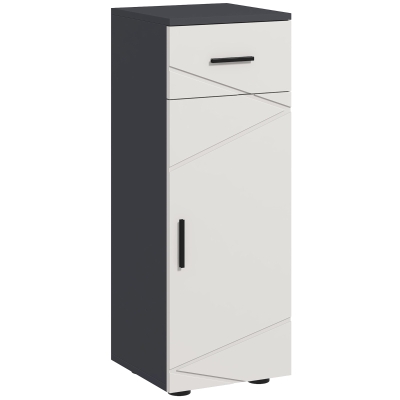
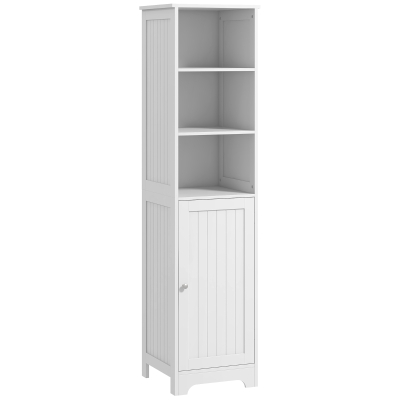
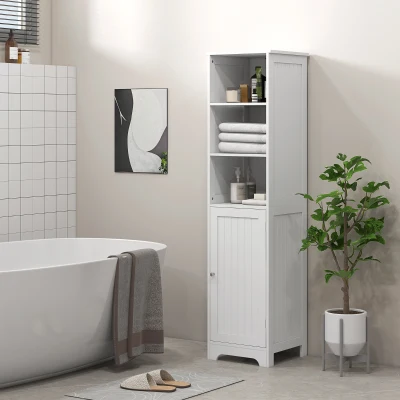
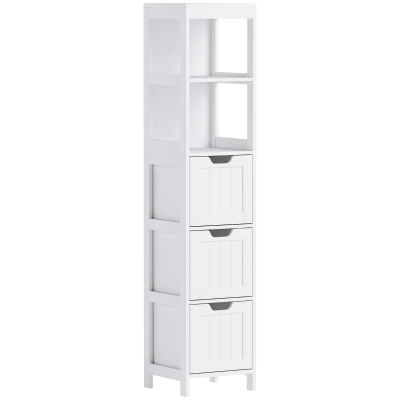
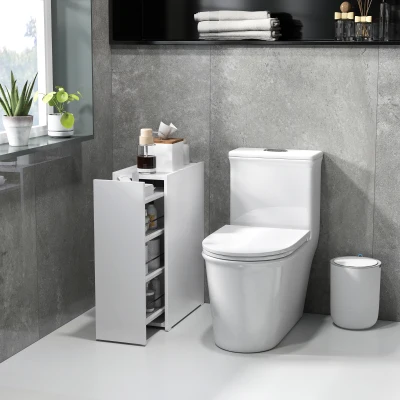
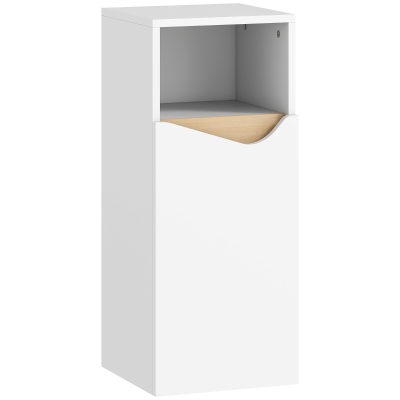
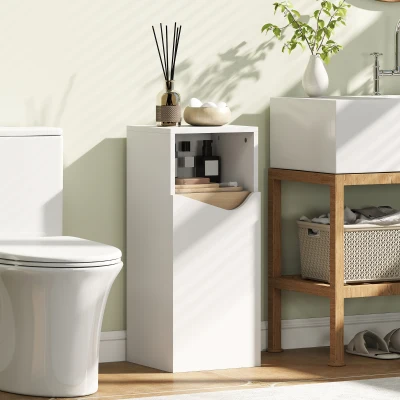
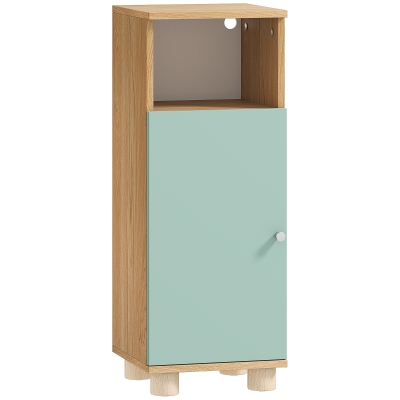
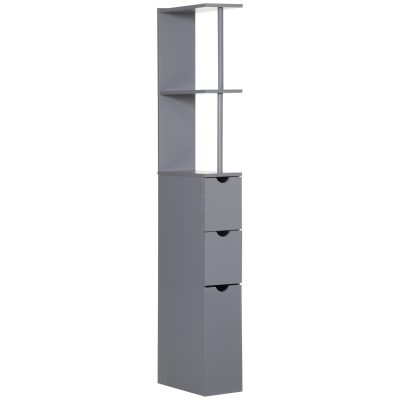
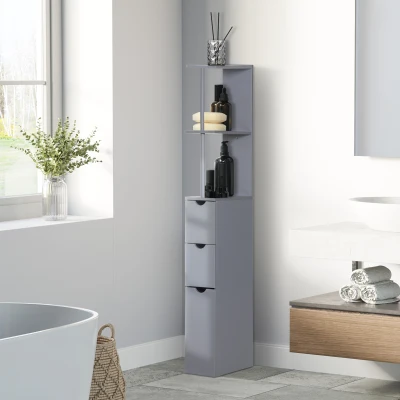
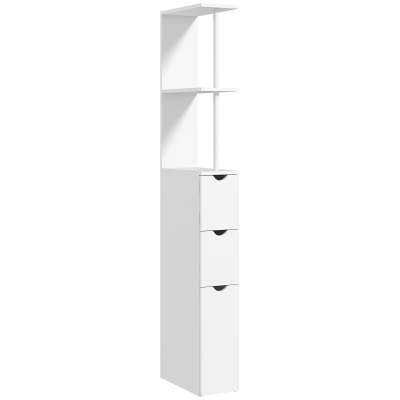
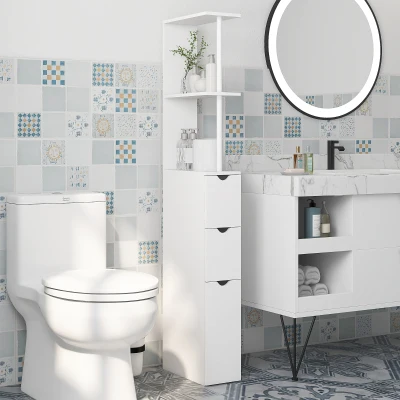
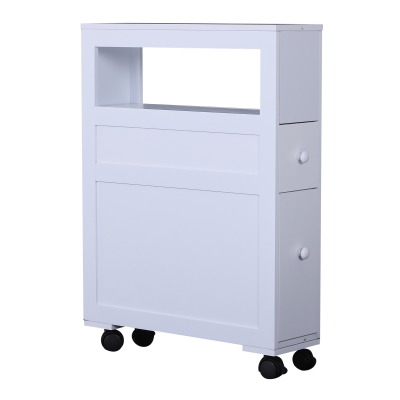
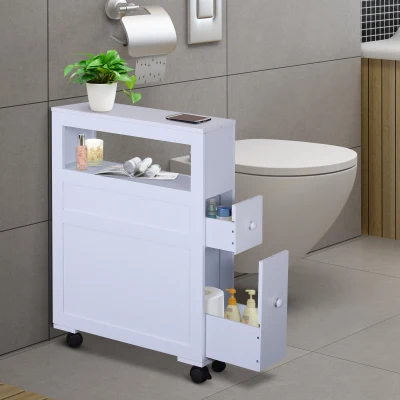
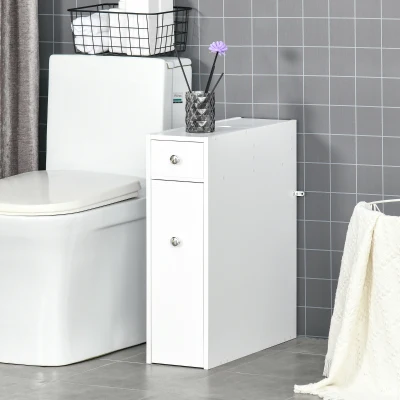
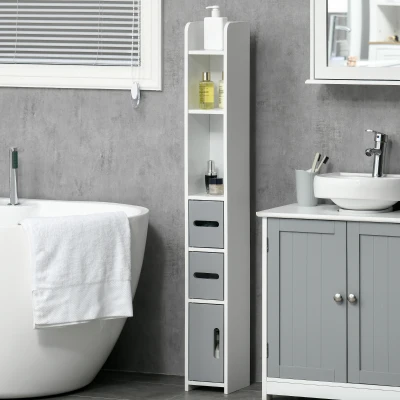
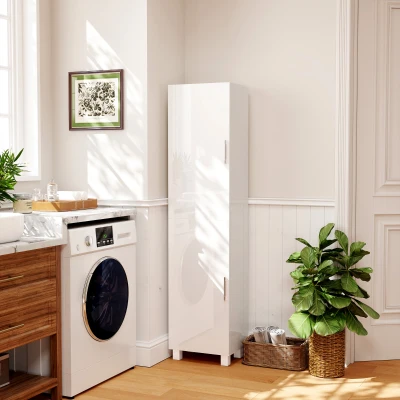
In smaller rooms, a narrow bathroom cabinet or slim bathroom storage cabinet usually makes the best use of vertical space. These models fit neatly beside a vanity, near a toilet, or into tighter corners without making the room feel crowded. A tall bathroom cabinet is often the most practical option when floor space is limited but wall height is available. By contrast, a low cabinet or base cabinet can suit wider bathrooms where you want easier reach and a lower visual profile.
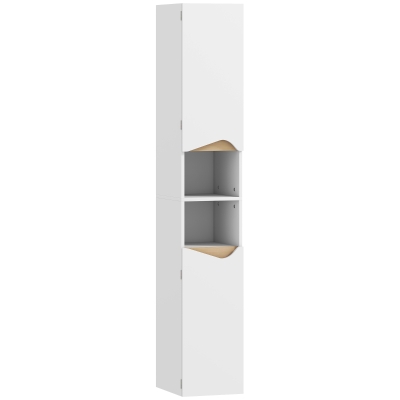
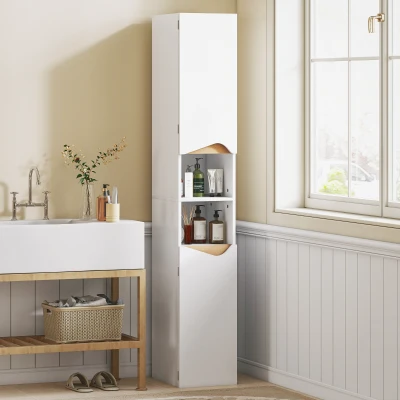
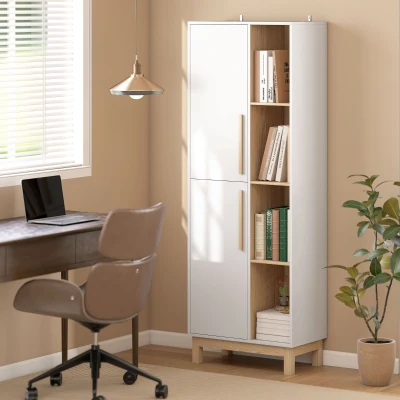
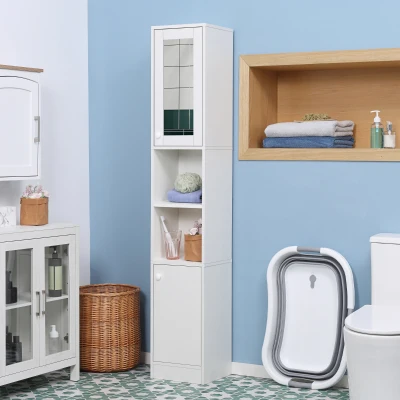
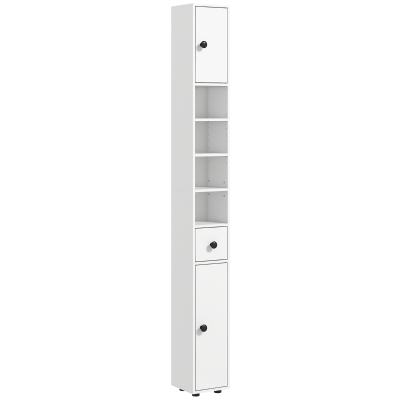
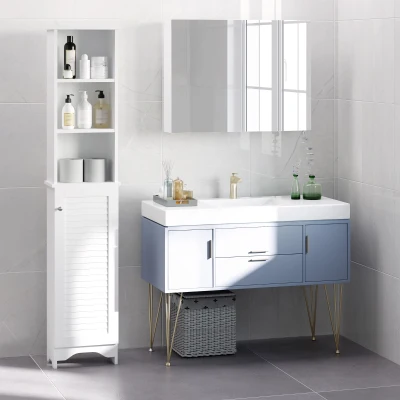
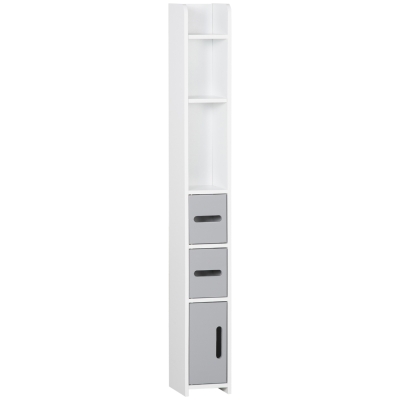
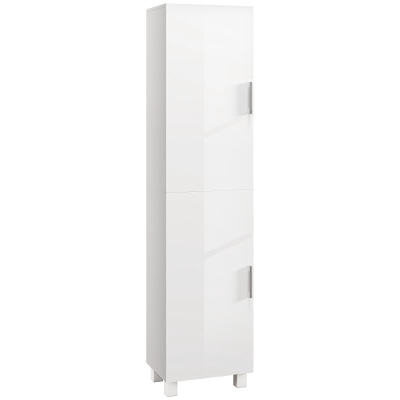
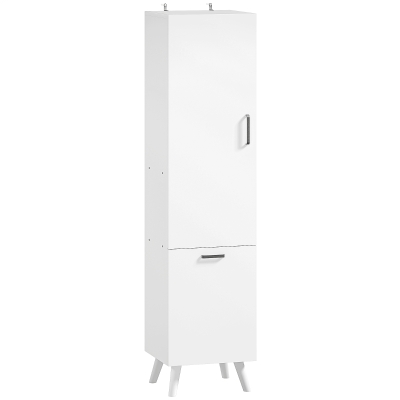
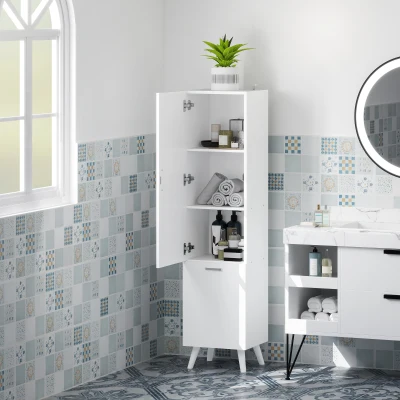
If your room has awkward gaps, choosing a cabinet around 20 cm to 30 cm deep can make a real difference. Models such as the HOMCOM Bathroom Cabinet Narrow Tall Cabinet with 2 Doors, 2 Open Compartments and the kleankin 180cm Tall Bathroom Cabinet, Slim Bathroom Storage Cabinet with 4 Open Shelves, 2 Door Cupboards show how a vertical layout can add useful storage without taking over the room.
Pick the right storage combination for everyday use
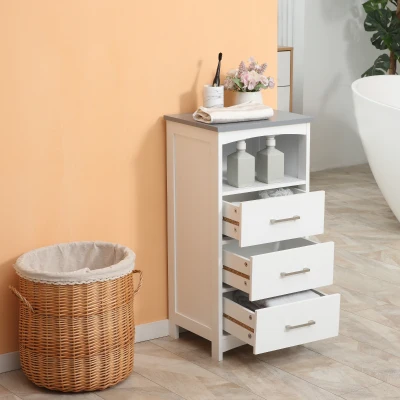
The most useful cabinet is not always the biggest one. What matters more is how the interior is divided. Drawers work well for smaller items such as cosmetics, grooming tools, and medication. A cupboard with door or double doors helps hide bulkier supplies and keeps the room looking tidier. Open shelves and an open compartment are more practical for items you reach for every day, such as hand towels or frequently used toiletries.
If your storage needs change often, look for adjustable shelves. This feature makes it easier to store taller bottles, cleaning sprays, or rolled towels without wasting space. It also gives a freestanding unit more flexibility than fixed internal shelves, especially in shared bathrooms.
| Cabinet Type | Best For | Main Advantage |
|---|---|---|
| Tall cabinet | Small bathrooms and guest bathrooms | Uses vertical space efficiently while keeping the floor area clearer. |
| Narrow / slim cabinet | Tight corners, beside toilets, next to sinks | Fits into unused gaps and helps with space-saving layouts. |
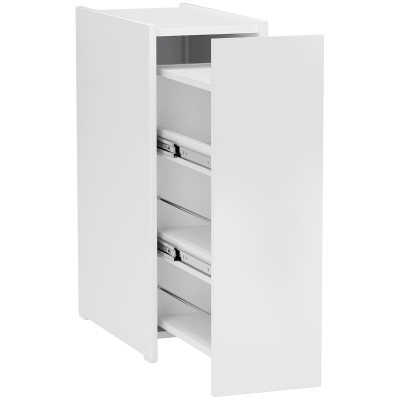
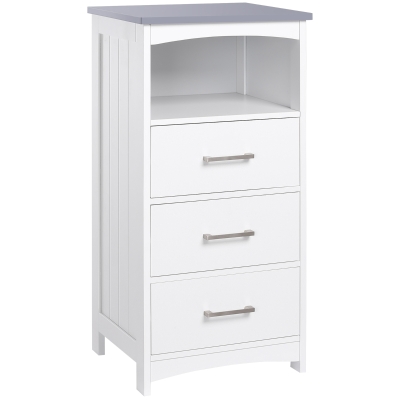
| Base cabinet | Wider rooms and lower storage zones | Offers easier access and often combines drawers with cupboard storage. |
| Cabinet with adjustable shelves | Mixed toiletries, taller bottles, flexible storage needs | Adapts more easily to changing bathroom supplies. |
| Cabinet with mirror | Bathrooms needing dual-purpose furniture | Combines practical storage with everyday grooming use. |
Choose materials and finishes that suit bathroom conditions
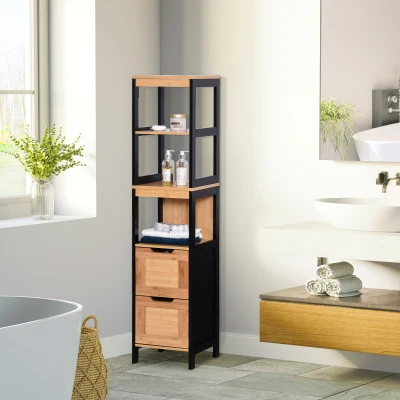
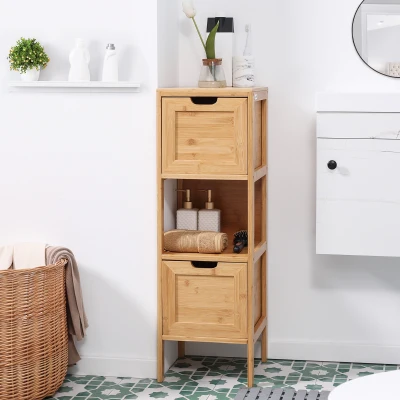
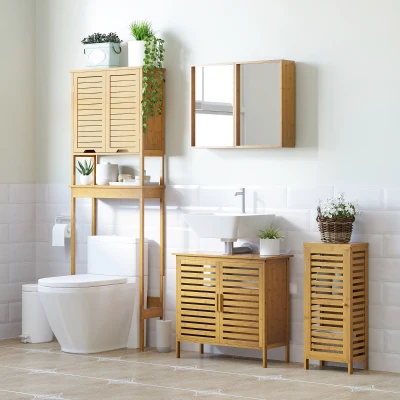
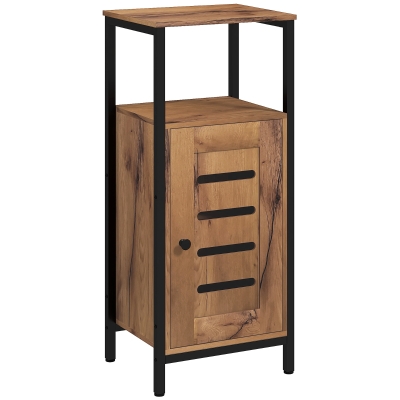
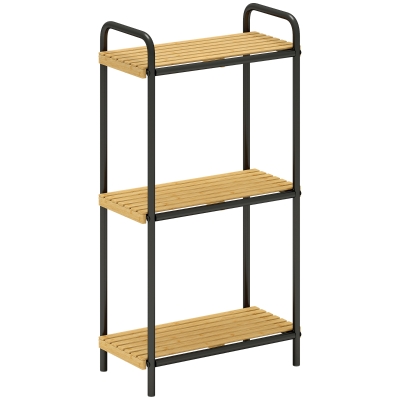
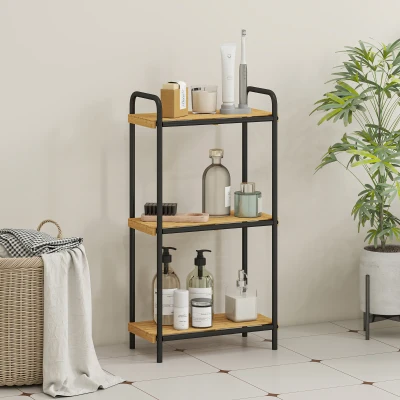
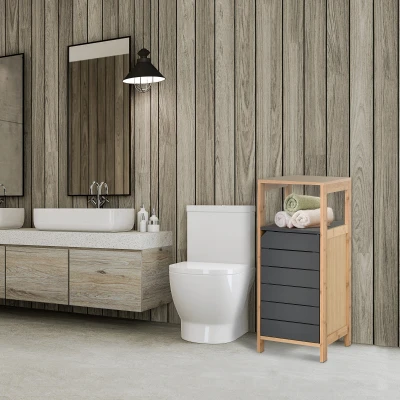
Bathrooms need storage that can handle humidity while still matching the overall look of the room. water-resistant material is a sensible choice for daily-use family bathrooms. bamboo bathroom cabinets bring a lighter, more natural feel and often suit relaxed, spa-inspired interiors. A steel frame with wood-effect or rustic tones can work well in more modern or industrial spaces, while white, grey, and natural wood finishes are usually the easiest to coordinate with existing vanities and wall colours.
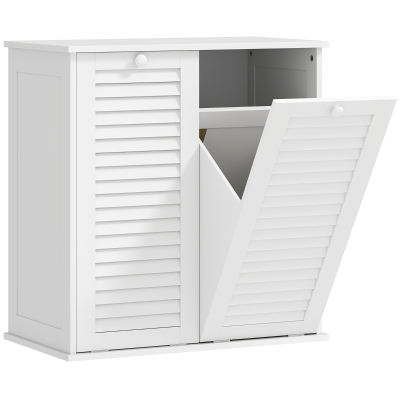
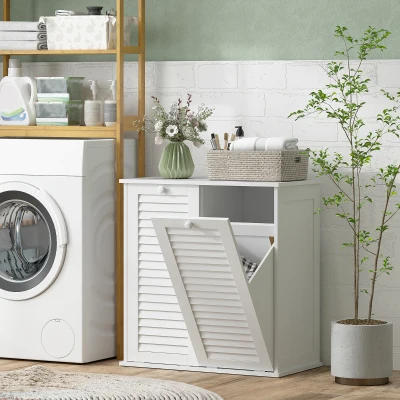
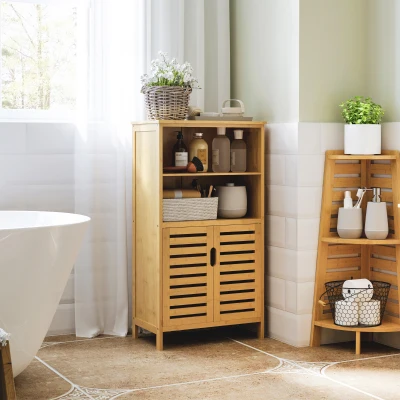
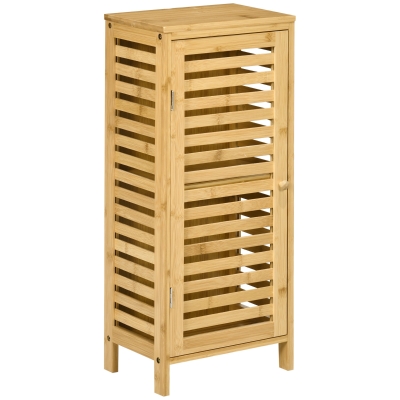
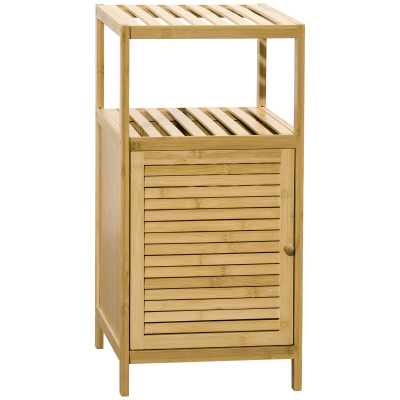
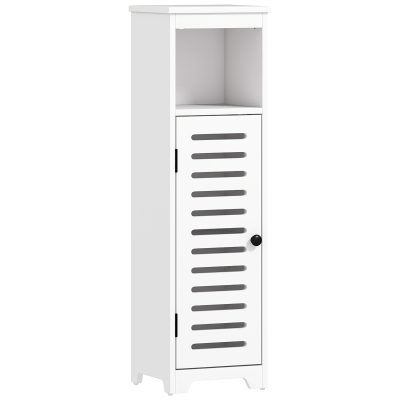
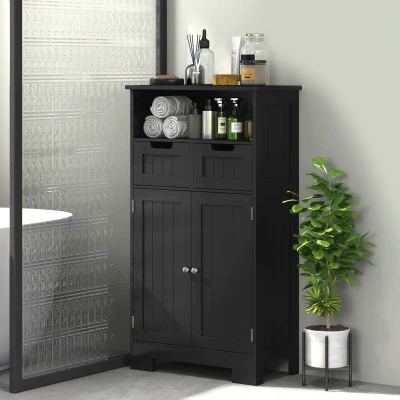
If you want a softer, more breathable look, louvered doors and slatted doors can visually lighten the cabinet front. The kleankin Bamboo Bathroom Cabinet with Louvered Doors and the kleankin Bathroom base cabinet with slatted door steel frame open niche are good examples of how material and door style can affect both appearance and practicality.
Think about function as well as style
Freestanding cabinets are popular because they are easier to install and relocate than built-in units. That makes them useful for renters, bathroom updates, and homes where storage needs may change over time. A cabinet with a mirror can be especially practical in bathrooms where every item needs to work harder. Likewise, rolling storage is helpful when you need a flexible unit that can be moved for cleaning or repositioned beside a bath, vanity, or washing area.
- Choose open shelves for frequently used items.
- Choose drawers for small products that are easier to lose.
- Choose double doors or a cupboard for visual tidiness.
- Choose adjustable shelves if bottle heights vary.
- Choose a slim cabinet if floor area is the main limitation.
Plan the cabinet as part of your full bathroom storage setup
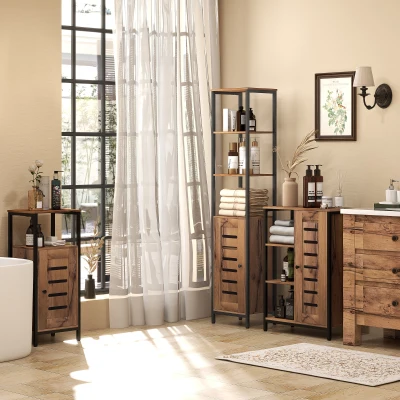
A freestanding unit often works best when it complements the rest of the room rather than trying to store everything alone. In taller bathrooms, a vertical cabinet can help make better use of wall height. In smaller wash areas, combining closed cupboard space with open storage can make everyday routines smoother while keeping clutter under control. If the cabinet sits near a vanity, choosing a layout with a mirror, open shelves, or adjustable shelves can improve daily use without making the floor area feel overloaded.
Measure carefully before choosing a freestanding cabinet
Before ordering, measure the width, depth, and full height of the intended spot. Leave enough clearance for doors and drawers to open comfortably, and keep at least a few centimetres of breathing room near skirting boards, radiators, or plumbing points. In compact bathrooms, it is often smarter to choose a cabinet with a smaller footprint and more vertical storage rather than a wider unit that interrupts movement.
FAQ
1. What are the benefits of a freestanding bathroom cabinet?
A freestanding bathroom cabinet is easier to install, easier to move, and often more flexible than a built-in unit. It gives you extra storage without the need for major renovation work, which is especially useful in rented homes or bathrooms that may be updated later. In practical terms, it also lets you adjust the layout over time. If stability is a concern, place the cabinet on a flat floor, avoid overloading the top shelves, and keep heavier items in the lower section to improve balance.
2. What type of bathroom cabinet is best for a small bathroom?
In most small bathrooms, a tall cabinet, narrow cabinet, or slim bathroom cupboard is the most practical choice because it uses height rather than width. Models around 20 cm to 35 cm deep are often easier to place beside a sink, toilet, or doorway. A cabinet with adjustable shelves also helps because it can hold different bottle heights without wasting space. If you want the room to feel less crowded, lighter finishes such as white or natural bamboo usually keep the look more open.
3. What materials are good for bathroom cabinets?
Good bathroom cabinets should be suited to humid conditions and regular daily use. water-resistant material is a strong option for busy family bathrooms, while bamboo works well for a lighter natural look. A steel frame can add strength and suits more modern spaces. To keep the cabinet in better condition, wipe away standing water quickly, leave some airflow around the unit, and check that shelves and door edges stay dry rather than letting moisture sit on the surface for long periods.