

































Buying Guide: How to Choose the Right Storage Cabinet for Your Space
A storage cabinet is one of the most versatile pieces of furniture you can own. It can hide clutter in a living room, organise kitchen essentials, store media collections, or add extra shelving in a hallway. But not every storage cabinet fits every space. The right choice depends on where you plan to place it, what you need to store, and how much assembly and maintenance you are willing to handle. This guide covers the main types, materials, and features to consider before you buy.
1. Types of Storage Cabinets – Sideboards, Media Towers, Chests, and More
Storage cabinets come in many forms, and the name often reflects their intended use. Understanding the differences helps you pick a cabinet that looks intentional rather than out of place.
- Sideboards and buffets – Wide, low cabinets with doors and sometimes drawers. They work well in dining rooms, living rooms, and entryways. The HOMCOM Mid-Century Modern Sideboard Storage Cabinet with Slatted Tambour Sliding Doors and the HOMCOM Modern Sideboard with 3 Doors, 2 Drawers and Adjustable Shelves are typical examples.
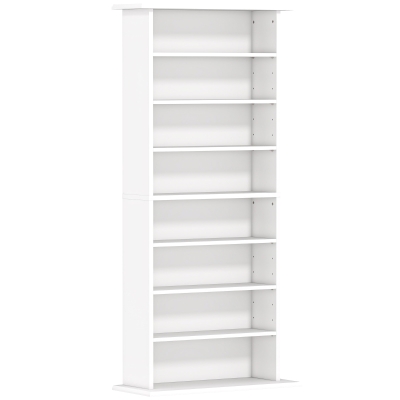
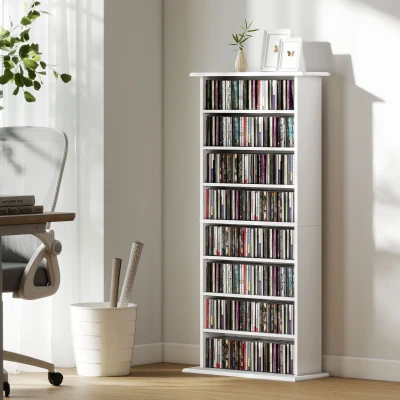
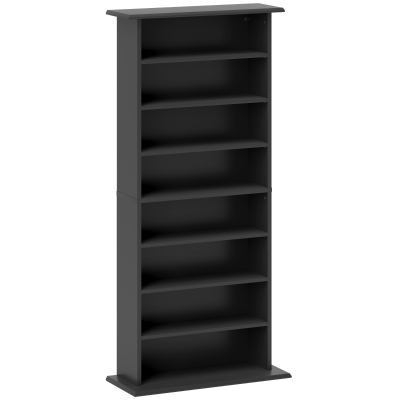
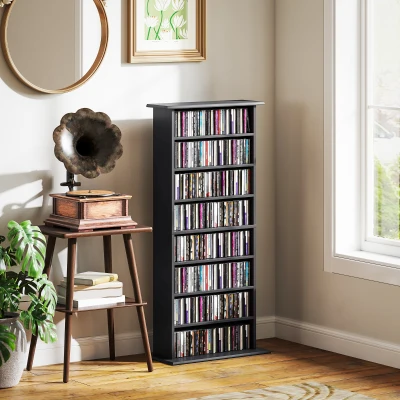
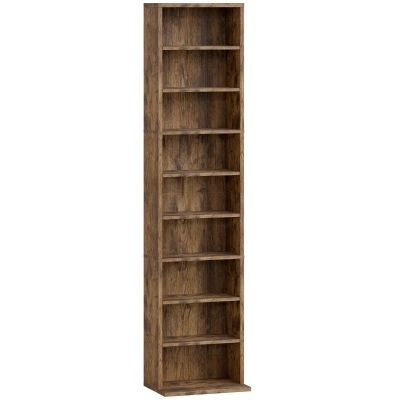
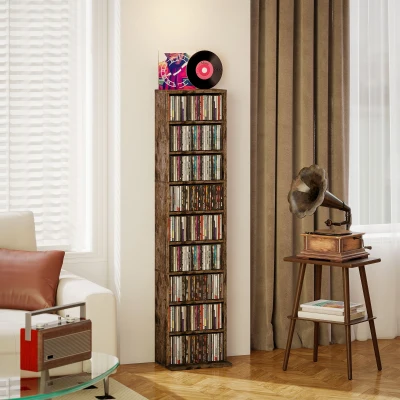
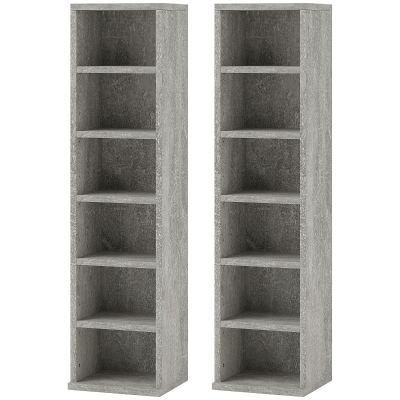
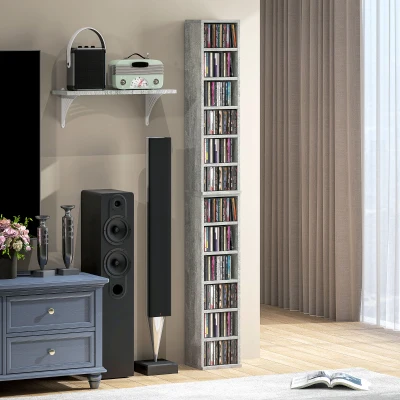
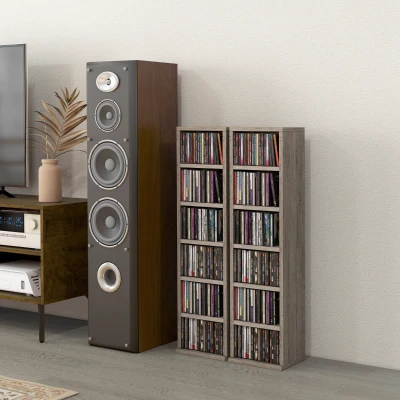
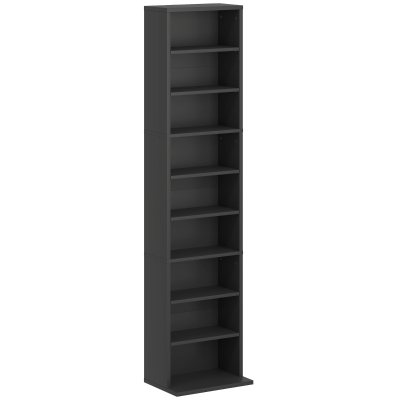
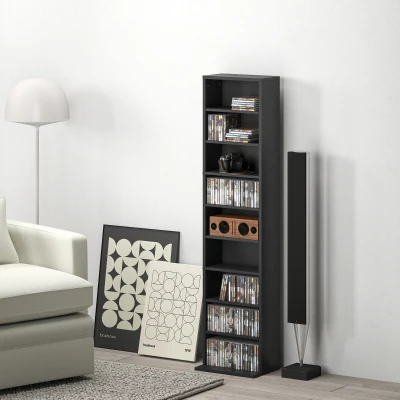
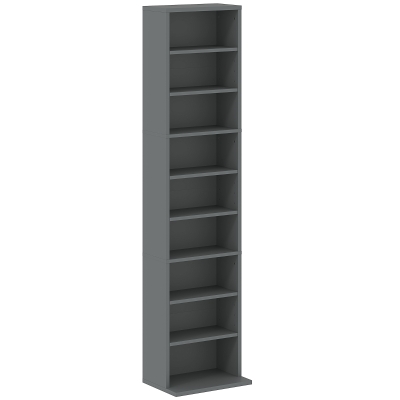
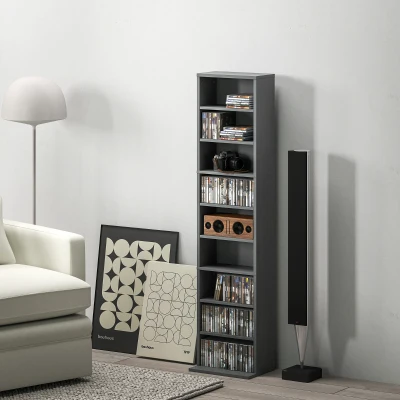
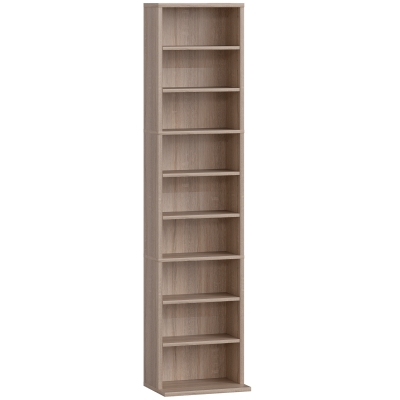
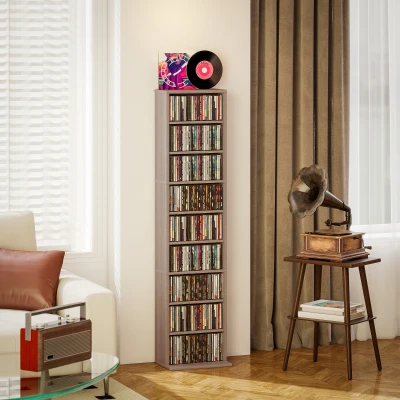
- Media and CD storage units – Tall, narrow cabinets designed for CDs, DVDs, vinyl, or media players. The HOMCOM CD Storage Unit with Adjustable Shelves and the HOMCOM Record Player Stand, Vinyl Record Holder with Storage are built for organised media collections.
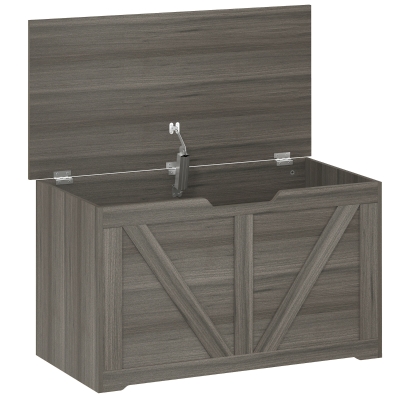
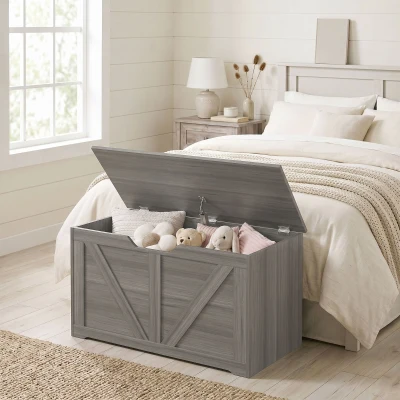
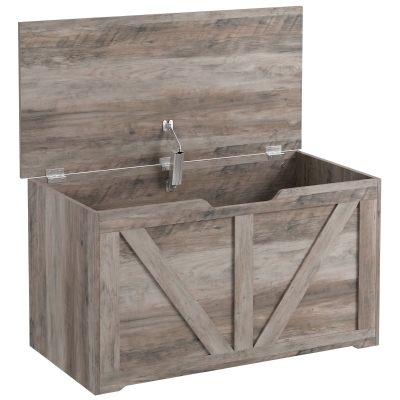
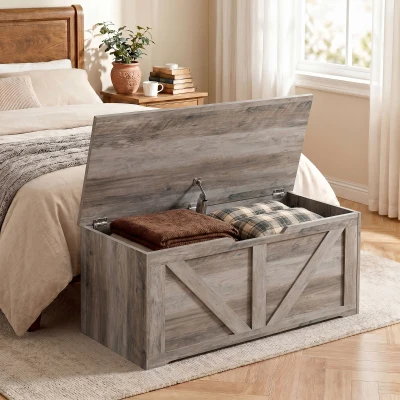
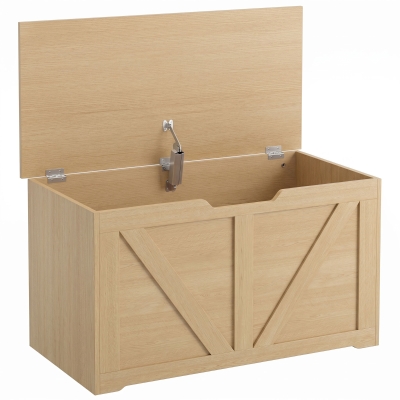
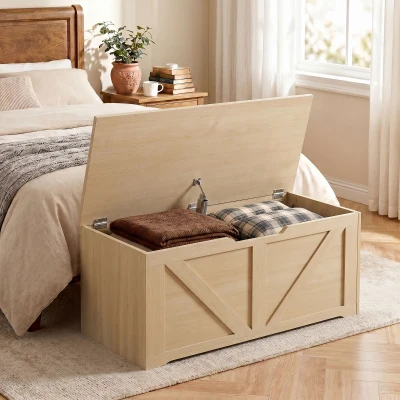
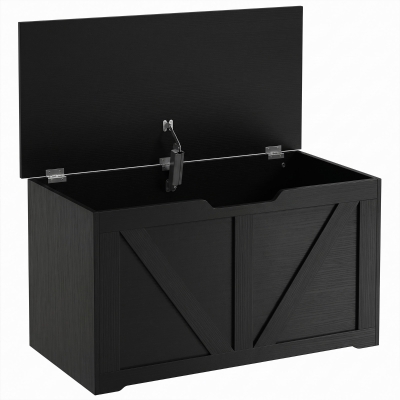
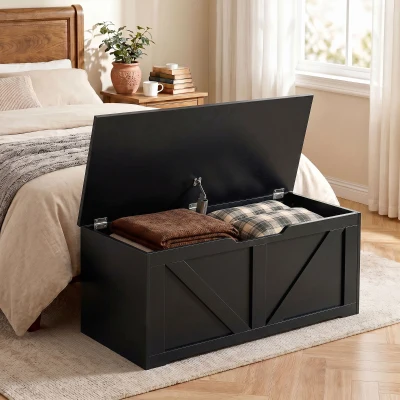
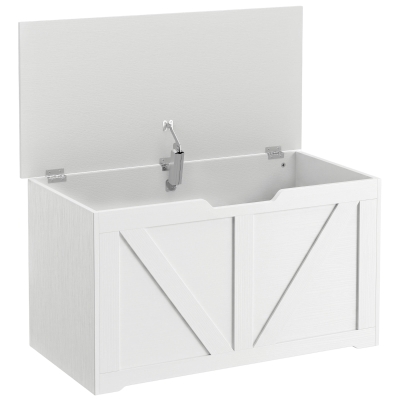
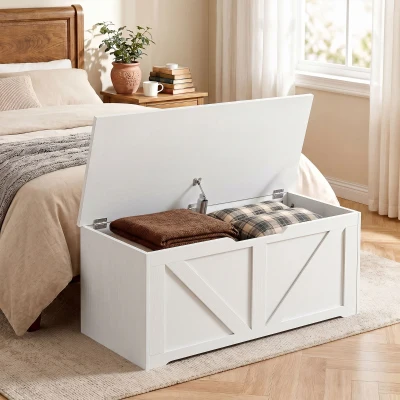
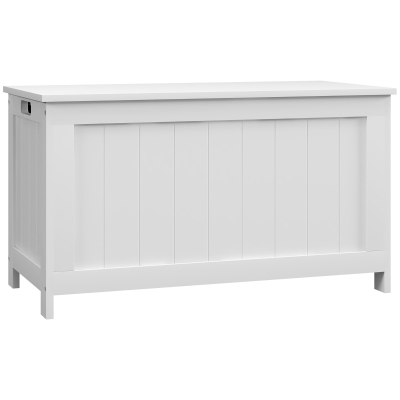
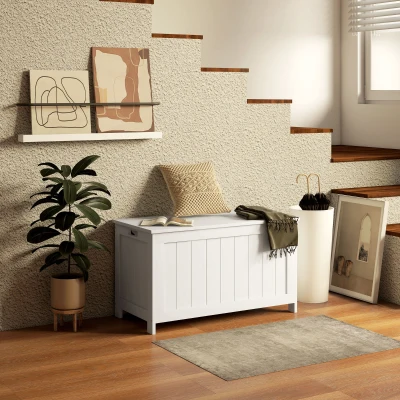
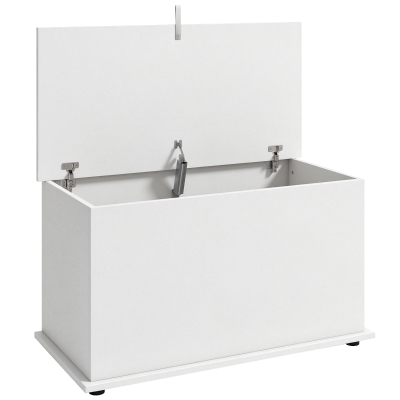
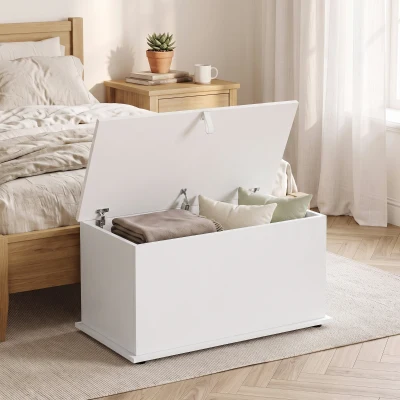
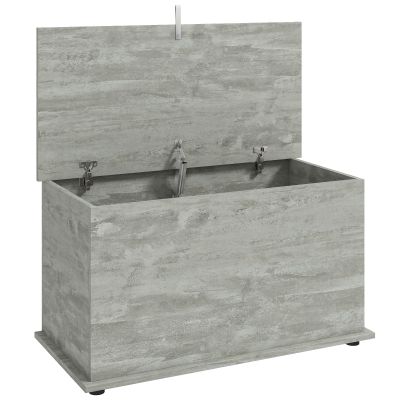
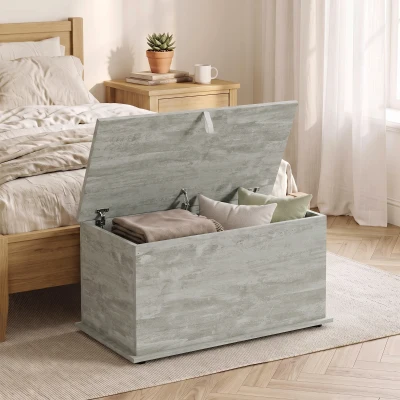
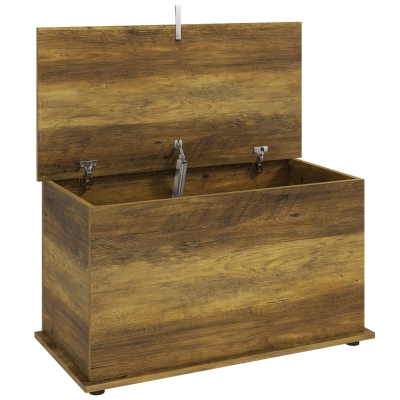
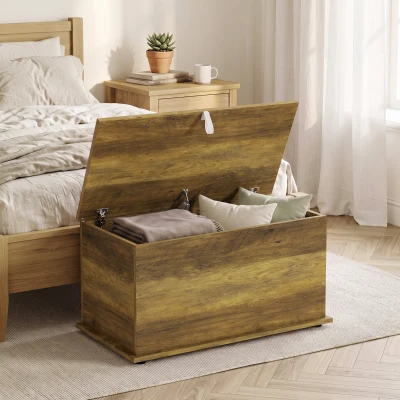
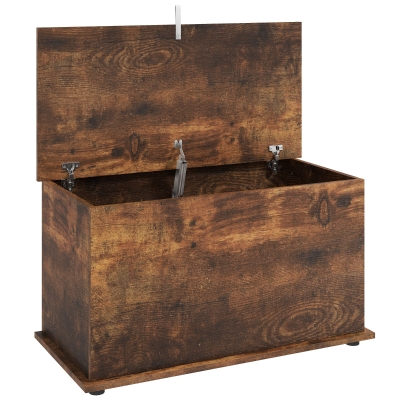
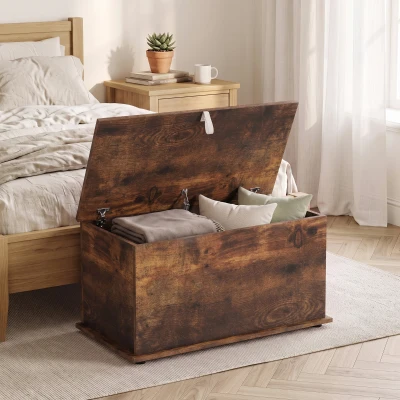
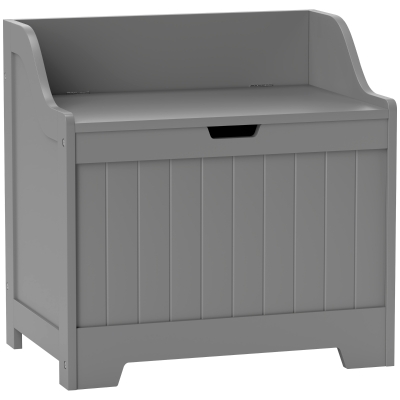
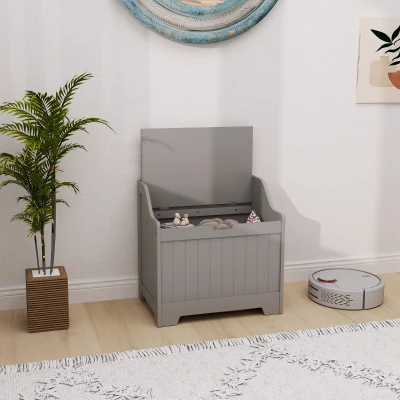
- Storage chests and benches – Flip-top or hinged-lid boxes that double as seating or blanket storage. The HOMCOM Storage Chest, Large 113L Blanket Box and the HOMCOM 114L Large Storage Chest are good for bedrooms, hallways, and playrooms.
- Bamboo and tall cabinets – Slim cabinets with slatted doors, often used in bathrooms or small bedrooms. The HOMCOM Bamboo Storage Cabinet with Shelves and Slatted Door Design is a space-efficient option.
- Kitchen and utility cabinets – Freestanding cupboards with adjustable shelves, sometimes with a solid wood top. The HOMCOM Kitchen Floor Cabinet Side Storage Cupboard and the HOMCOM Kitchen Sideboard, Storage Cabinet with Double Doors are designed for practical storage.
2. Size, Placement, and Capacity – Measure Before You Choose
Before buying any storage cabinet, measure your floor space, ceiling height, and doorways. A cabinet that is too deep can block walkways, while one that is too tall may not fit under a window or sloped ceiling.
- Width – Sideboards are often 80–120 cm wide. For narrow gaps, look for cabinets under 60 cm. The HOMCOM 80cm Sideboard Buffet Cabinet fits smaller dining areas.
- Depth – Standard cabinets are 30–40 cm deep. Media towers and CD units are usually shallower (20–30 cm).
- Height – Low sideboards sit around 70–80 cm, while tall cabinets can reach 130–195 cm. The HOMCOM CD Storage Unit with Adjustable Shelves, 102 x 195 cm is a tall option for media storage.
- Weight capacity – Check the per-shelf load rating. Wooden and steel cabinets typically hold 15–30 kg per shelf, while lighter cabinets may support less. If you need to store heavy items, choose a reinforced model with solid wood or steel construction.
3. Materials and Durability – Wood, Steel, Bamboo, and Fabric
The material of your storage cabinet affects its weight, durability, style, and maintenance. Here are the most common options:
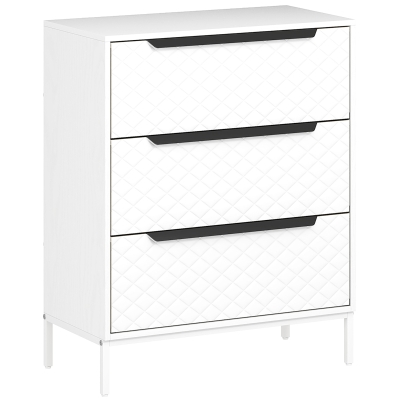
- Wood and wood-effect – The most popular choice for living rooms and dining rooms. MDF and particleboard with wood veneer offer a traditional or modern look. Solid wood is more durable but heavier and more expensive. The HOMCOM Modern Living Room Sideboard with 3 Doors 2 Drawers uses a wood-effect finish.
- Steel – Often used for legs, frames, or full cabinets. Steel is strong, rust-resistant when powder-coated, and suits industrial interiors. The HOMCOM High Gloss Frame Sideboard combines a glossy finish with a sturdy frame.
- Bamboo – A sustainable, moisture-resistant material that works well in bathrooms and bedrooms. The HOMCOM Bamboo Storage Cabinet with Shelves and Slatted Door Design is lightweight but sturdy.
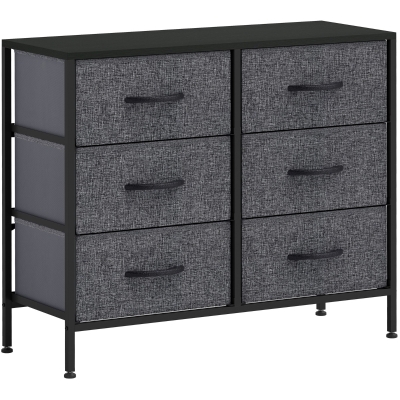
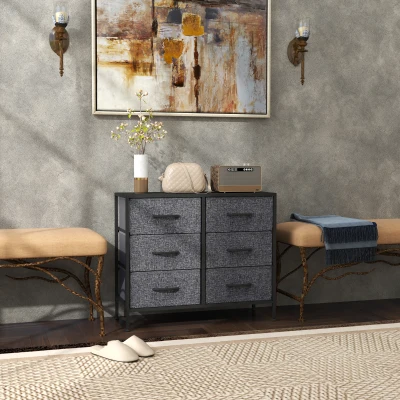
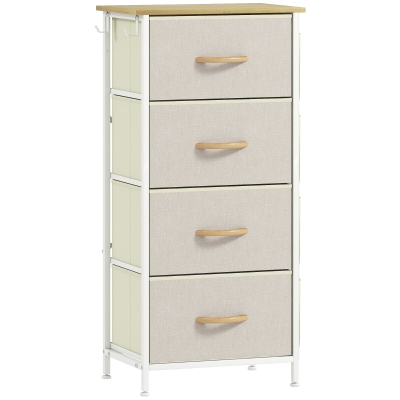
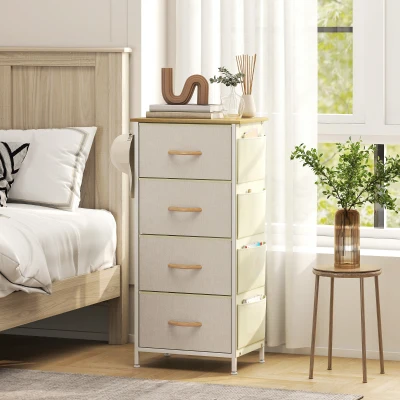
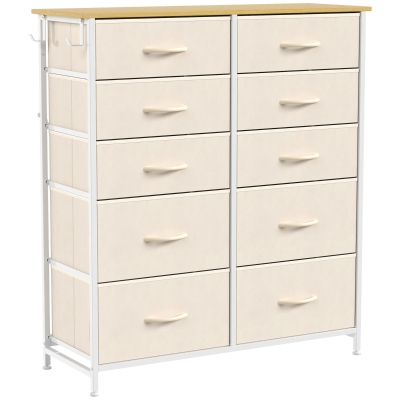
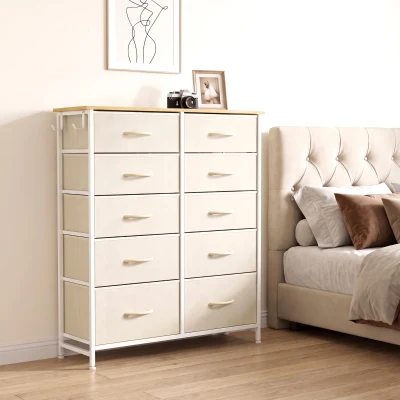
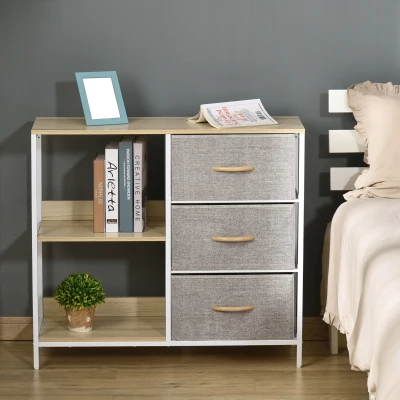
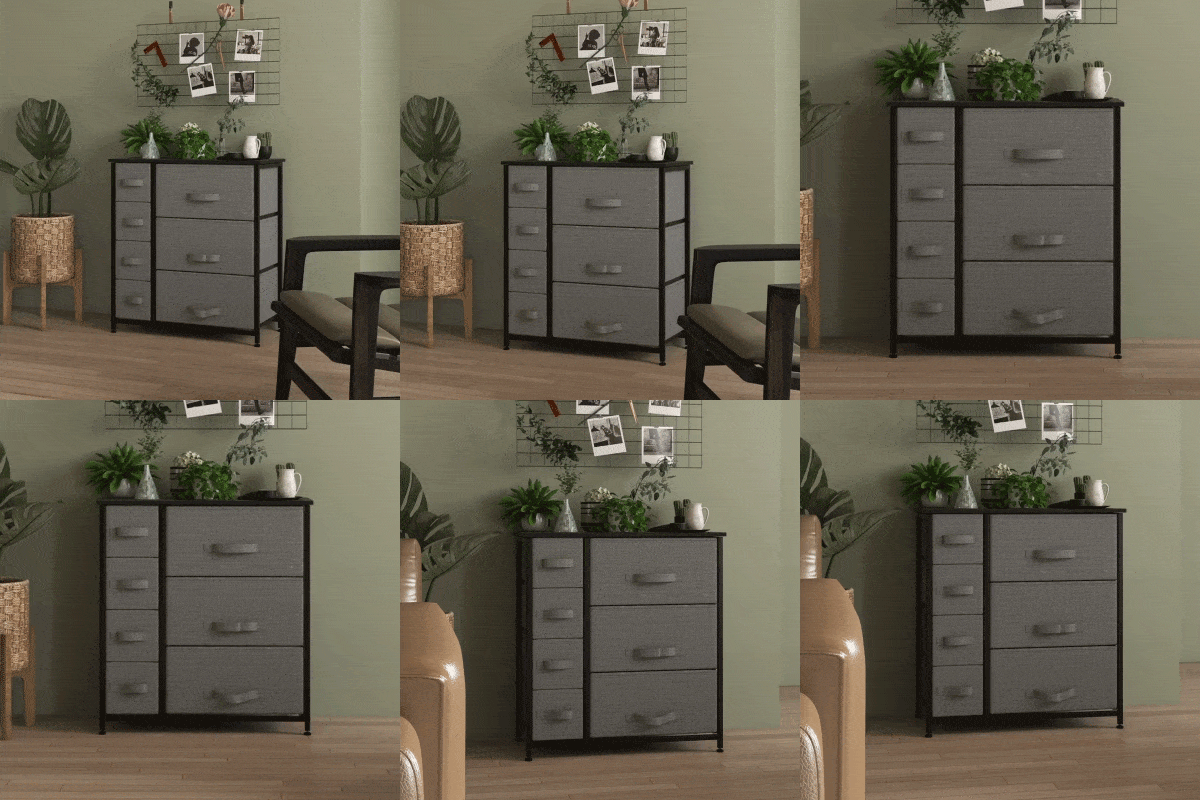
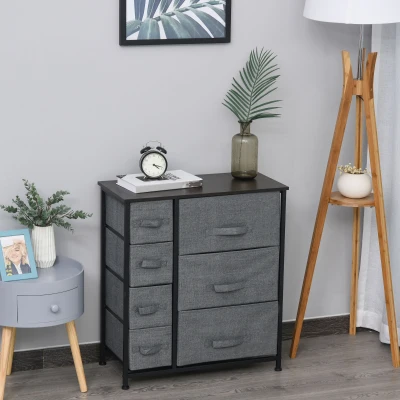
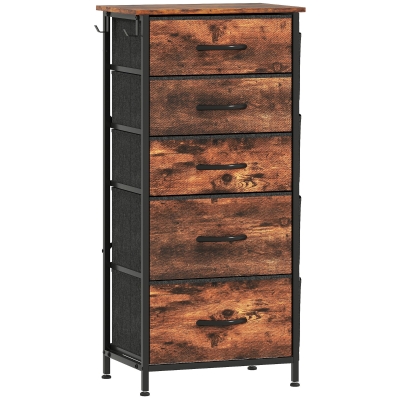
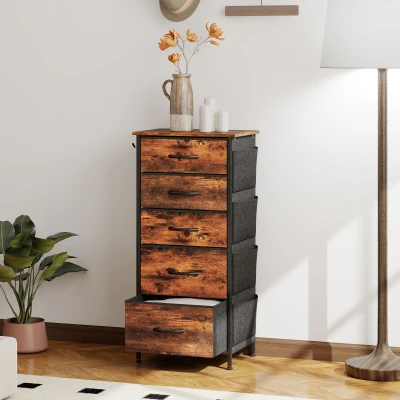
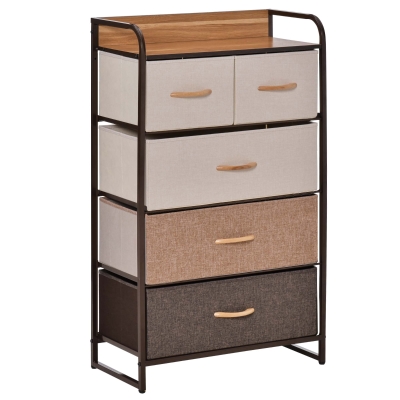
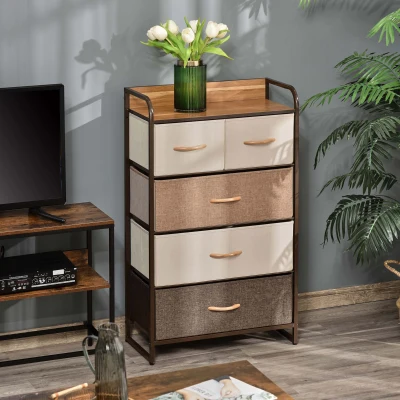
- Fabric – Lightweight, collapsible, and affordable, but best for lightweight items like clothes and toys. Fabric cabinets are not ideal for heavy books or kitchenware.
4. Comparison Table: Storage Cabinet Materials at a Glance
The table below summarises the key trade-offs between the most common storage cabinet materials:
| Feature | Wood / Wood Effect | Steel | Bamboo | Fabric |
|---|---|---|---|---|
| Durability | Excellent (10+ years) | Very good (8–12 years) | Good (5–8 years) | Moderate (2–4 years) |
| Weight Capacity | 15–30 kg per shelf | 20–40 kg per shelf | 10–20 kg per shelf | 5–10 kg per shelf |
| Moisture Resistance | Low to moderate | High (powder-coated) | High | Low |
| Assembly | Moderate to complex | Moderate | Simple to moderate | Tool-free or minimal |
| Style | Traditional to modern | Industrial, utilitarian | Natural, minimalist | Casual, soft |
| Best For | Living rooms, dining rooms, bedrooms | Garages, utility rooms, media storage | Bathrooms, small bedrooms | Closets, dorms, toys |
5. Features to Look For – Adjustable Shelves, Doors, and Safety
Small design details make a big difference in how usable a storage cabinet is day to day.
- Adjustable shelves – Let you change shelf heights to fit tall items or stack smaller ones. Many HOMCOM cabinets, such as the HOMCOM CD Storage Unit with Adjustable Shelves, include this feature.
- Door types – Sliding doors save space, hinged doors open wide, and push-open doors offer a clean, handle-free look. The HOMCOM Mid-Century Modern Sideboard Storage Cabinet with Slatted Tambour Sliding Doors is a good example of space-saving design.
- Drawers and compartments – Useful for small items that would otherwise clutter shelves. The HOMCOM 16-Compartment Media Shelf keeps media organised.
- Safety hinges – Essential for storage chests and benches with flip-top lids. The HOMCOM Storage Chest with Safety Hinged Lid prevents the lid from slamming shut.
- Anti-tip hardware – Tall cabinets should be anchored to the wall to prevent tipping, especially in homes with children or pets.
- Wheels or castors – Some cabinets, like the HOMCOM Folding Sewing Table, Rolling Sewing Cabinet, are mobile, making them easy to reposition.
Frequently Asked Questions
1. What is the difference between a sideboard and a storage cabinet?
A sideboard is a type of storage cabinet, but the terms are not interchangeable. Sideboards are typically wider and lower, designed to sit against a dining room or living room wall. They often have a mix of doors and drawers and may have a finished back so they can be placed in the middle of a room. A storage cabinet is a broader term that includes tall cupboards, media towers, chests, and utility cabinets. If you need a piece for a dining room, a sideboard like the HOMCOM Modern Sideboard with 3 Doors, 2 Drawers and Adjustable Shelves is a good choice. For a hallway or utility room, a tall storage cabinet may be more practical.
2. How much weight can a storage cabinet hold?
Weight capacity varies widely by material and construction. A wooden or steel storage cabinet typically supports 15–40 kg per shelf, while lighter fabric or particleboard cabinets may hold only 5–15 kg per shelf. Always check the product specifications before loading a cabinet. Distribute weight evenly and place heavier items on lower shelves to reduce the risk of tipping. If you plan to store heavy books, tools, or kitchen appliances, choose a cabinet with a solid wood or powder-coated steel frame, such as the HOMCOM Kitchen Floor Cabinet Side Storage Cupboard or the HOMCOM Storage Cabinet w/ Two Shelves Wooden Sideboard.
3. How do I assemble and maintain a storage cabinet?
Most storage cabinets require some assembly. Lay out all parts on a soft surface, follow the instructions step by step, and do not fully tighten screws until the frame is square. Two people make assembly easier for larger cabinets. For maintenance, dust regularly with a dry cloth. For wood-effect or painted surfaces, wipe with a mildly damp cloth and dry immediately. Avoid abrasive cleaners. For bamboo cabinets, wipe with a damp cloth and occasionally apply a thin coat of mineral oil to prevent drying and cracking. Check screws and hinges every few months and tighten as needed. If the cabinet is tall, secure it to the wall with the included anti-tip strap.