




























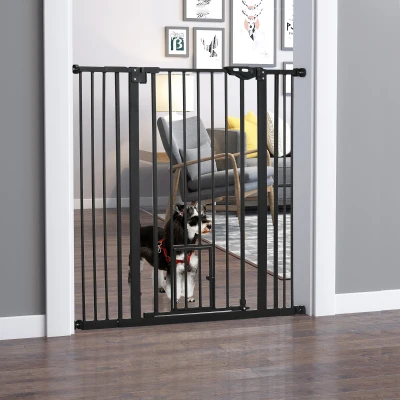
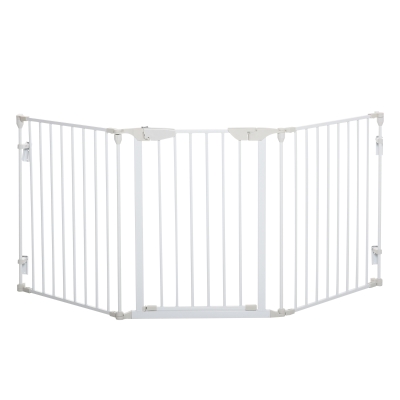
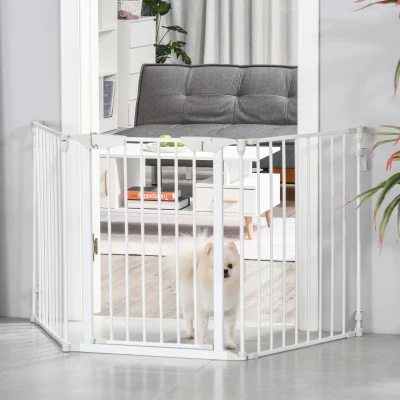



Choosing the Best Dog Gates for House, Stairs, and Doorways
Whether you need to restrict access to certain rooms, block staircases for safety, or keep your pet contained while maintaining an open feel, the right dog gates for house use can make all the difference. With so many options available – from pressure‑fit to freestanding, metal to wood – it’s essential to match the gate to your space and your dog’s behaviour.
Why You Need a Stair Gate for Dogs
Staircases are one of the most common areas where pet owners want to control access. A stair gate for dogs not only prevents accidents – especially for puppies, elderly dogs, or those with mobility issues – but also allows you to keep pets safely on one level while you manage household traffic. Whether mounted at the top or bottom of the stairs, a sturdy gate gives you peace of mind.
When choosing a dog gate for stairs, consider whether you need a pressure‑fit model that requires no drilling, a hardware‑mounted option for extra stability, or a freestanding panel that can be positioned flexibly. For staircases with banisters or irregular widths, look for gates with extension kits or multi‑panel designs that adapt to the space.
Types of Dog Gates for House Use
The best dog gates for house interiors combine safety with convenience. Here’s a quick breakdown of the main types:
| Gate Type | Best For | Key Features |
|---|---|---|
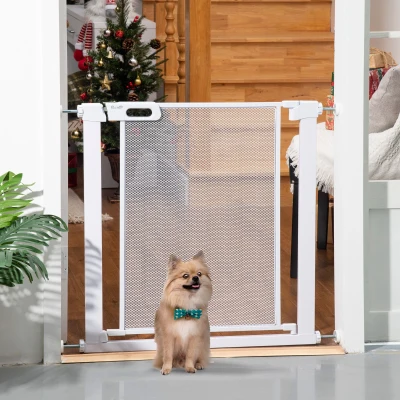
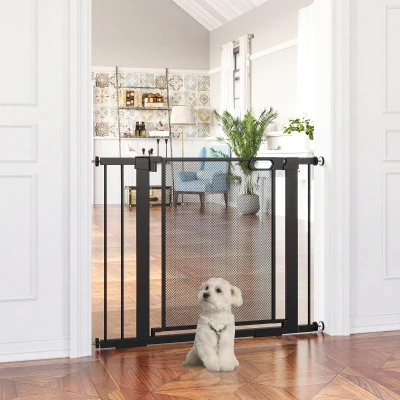
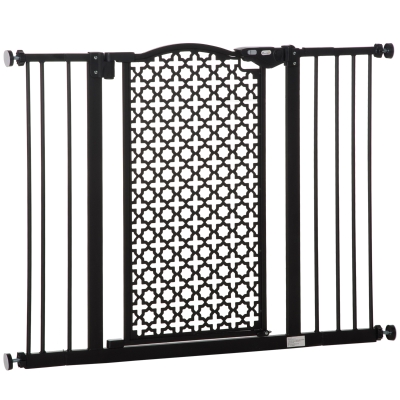
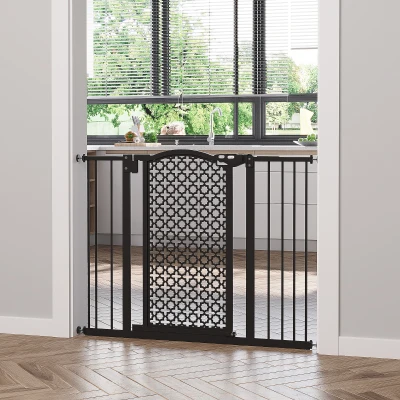
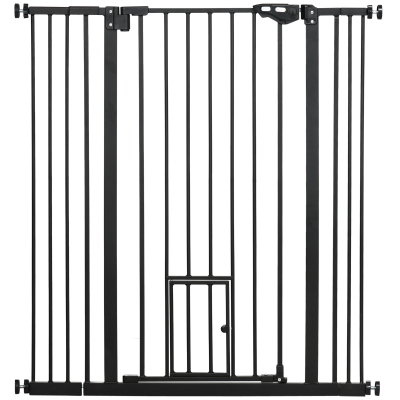
| Pressure‑Fit | Doorways, hallways, and stair bottoms | No drilling, easy to install, removable |
| Hardware‑Mounted | Top of stairs, high‑traffic areas | Extra stability, permanent fixture |
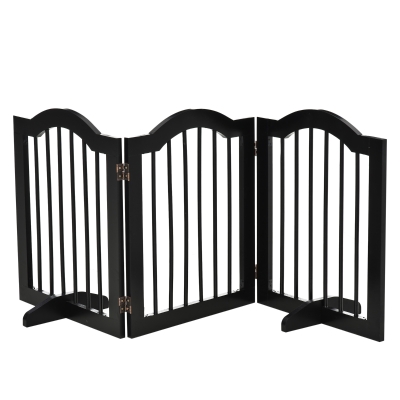
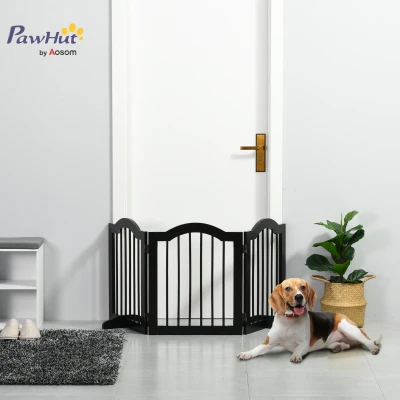
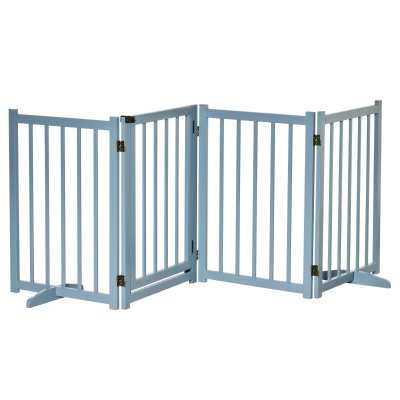
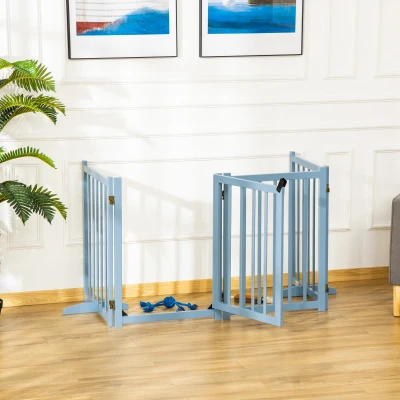
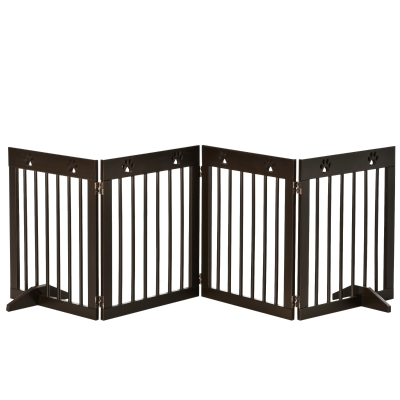
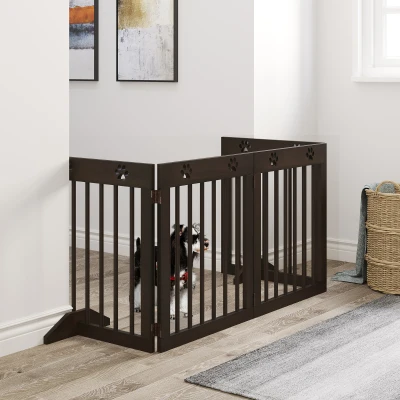
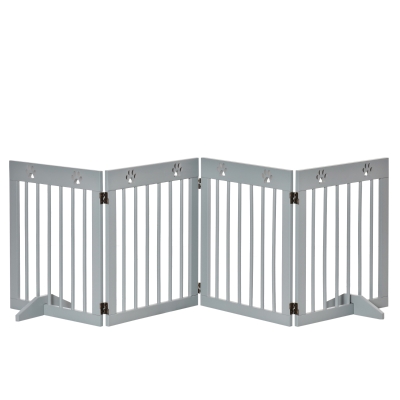
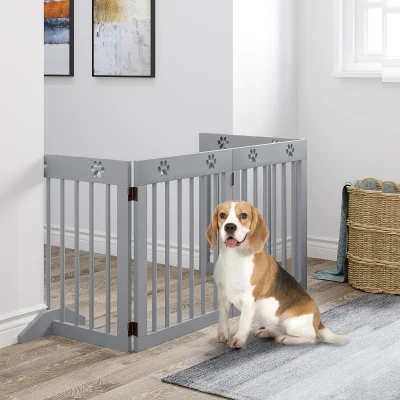
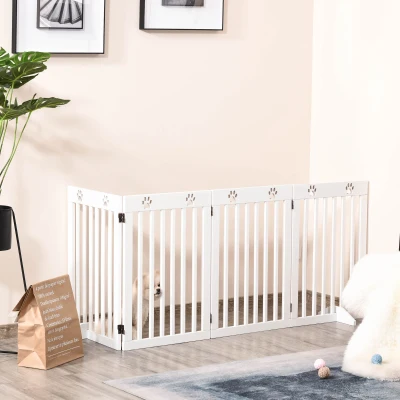
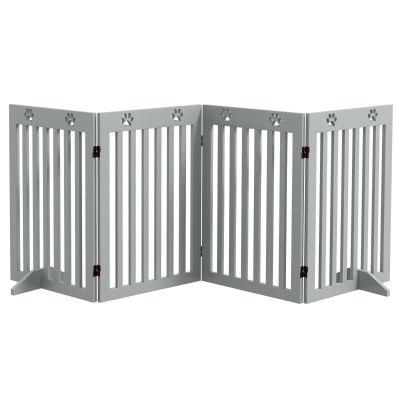
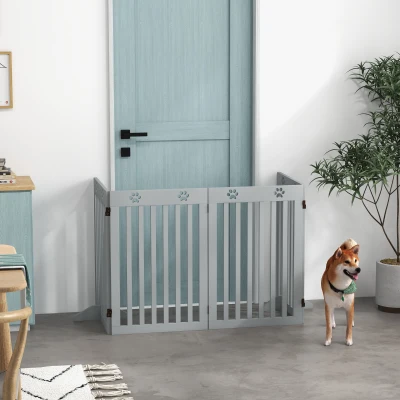
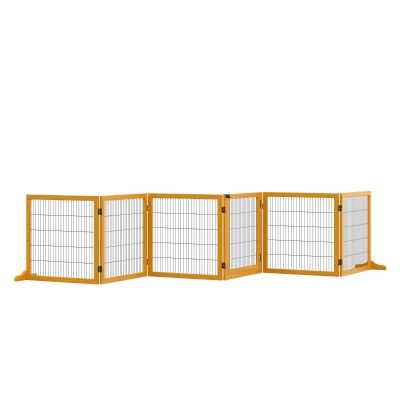
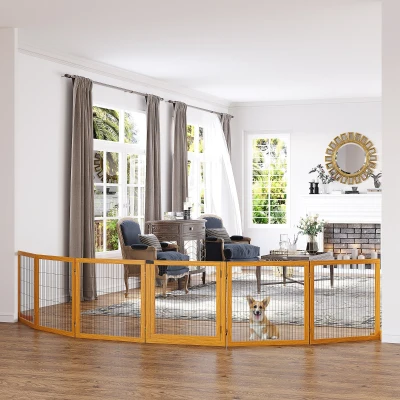
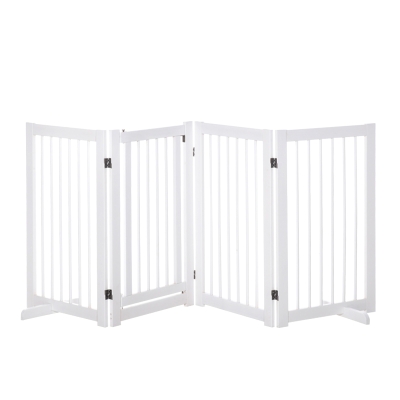
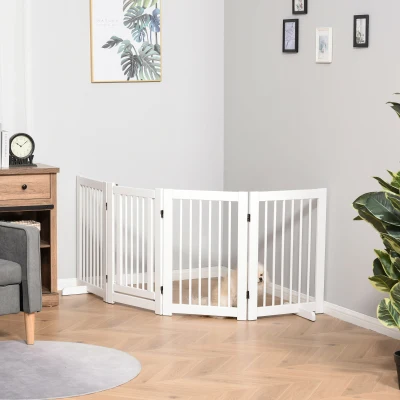
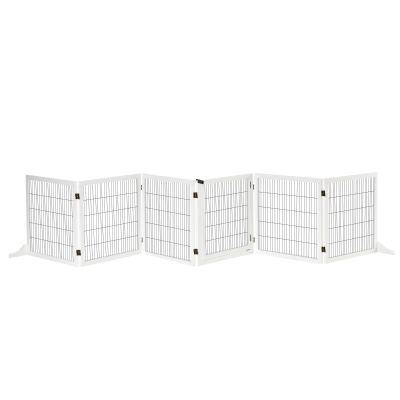
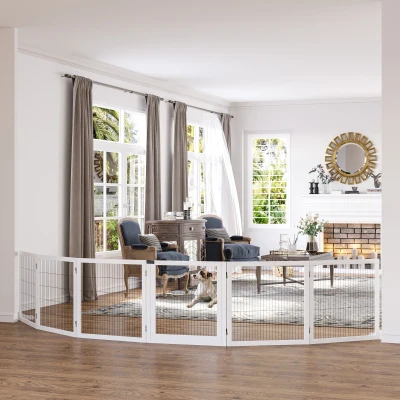
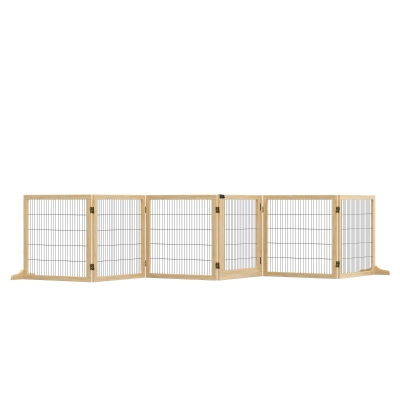
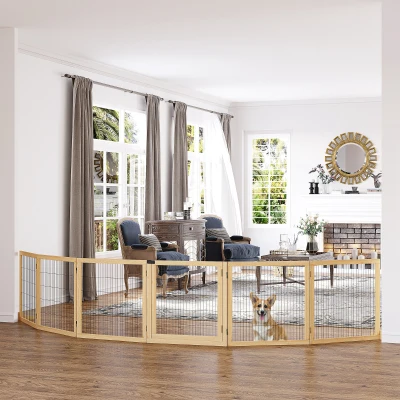
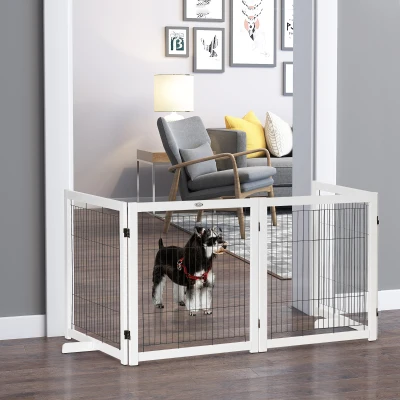
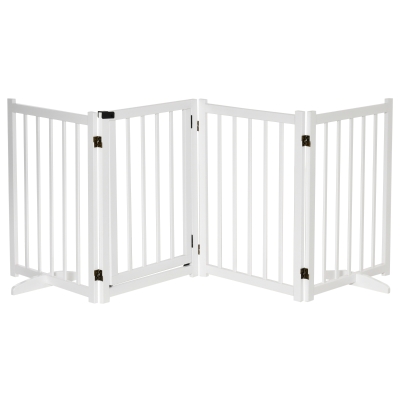
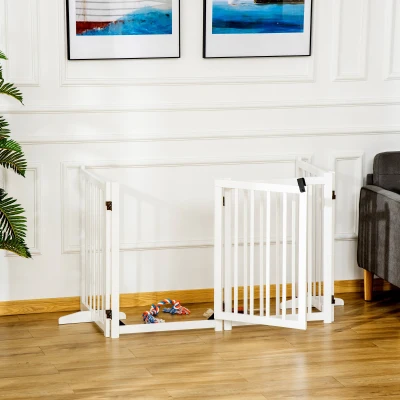
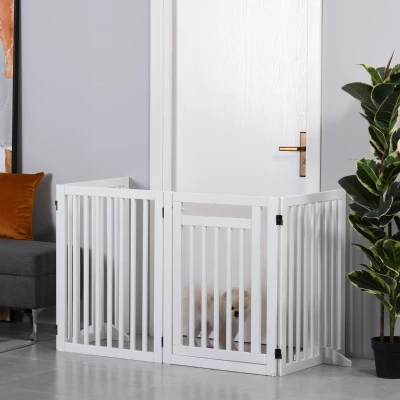
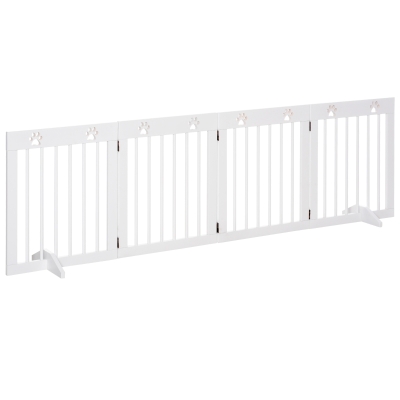
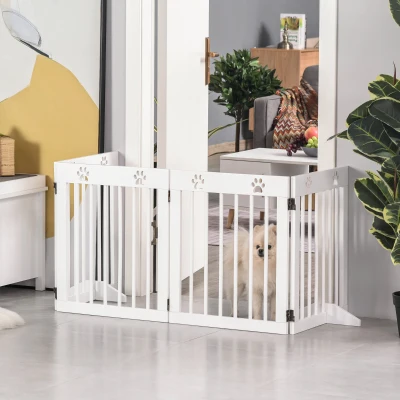
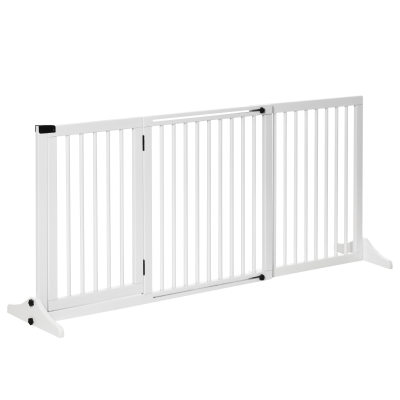
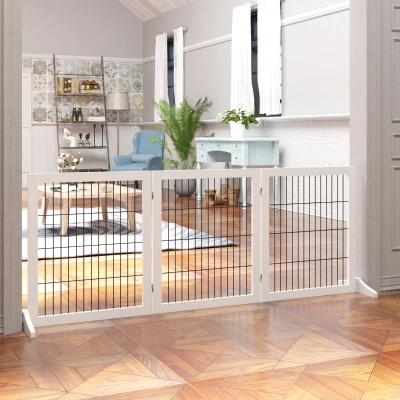
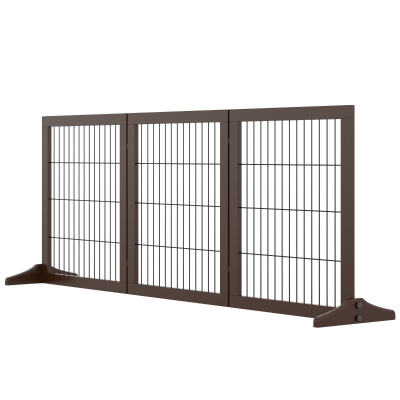
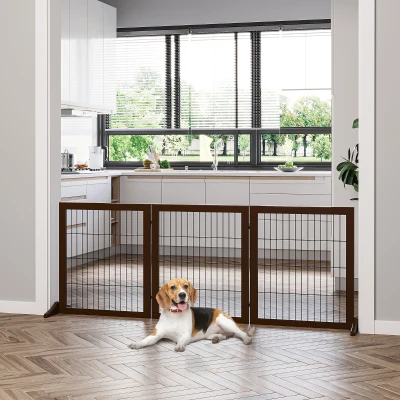
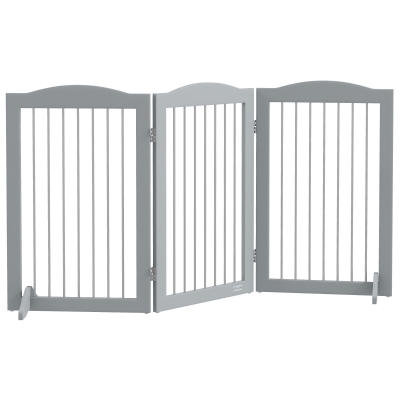
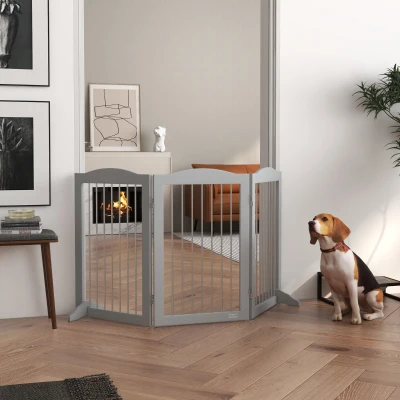
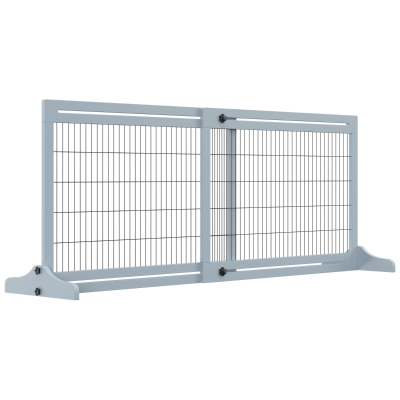
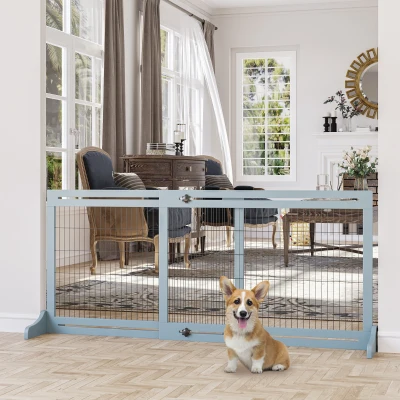
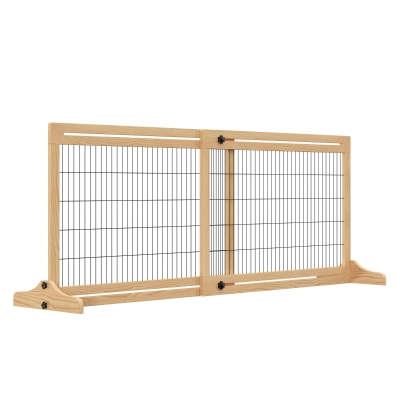
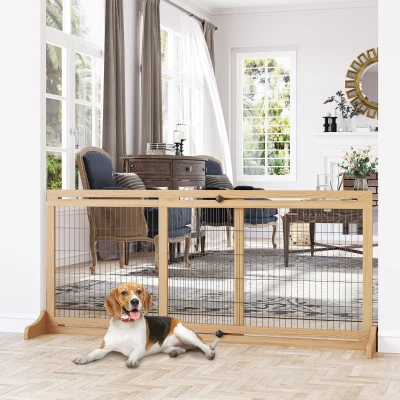
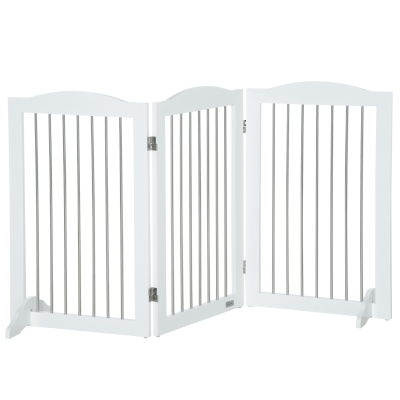
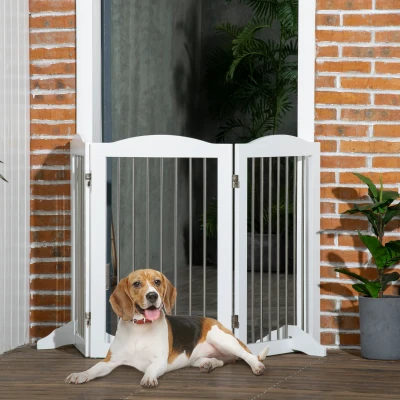
| Freestanding / Foldable | Wide openings, room dividers, temporary zones | Portable, no installation, adjustable width |
| Retractable | Narrow passages, compact homes | Rolls away when not in use, visually light |
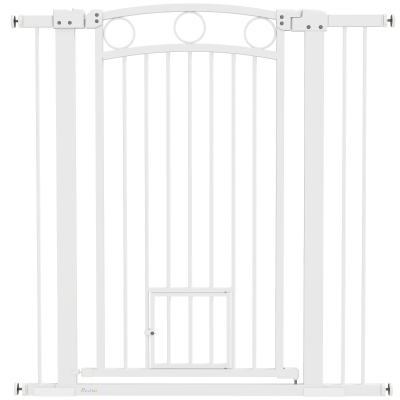
| Extra‑Tall | Active or jump‑prone dogs | Higher barrier for added security |
How to Select the Right Stair Gate for Dogs
When shopping for a stair gate for dogs, keep these factors in mind:
- Width and adjustability – Measure the opening at the top, middle, and bottom. Choose a gate with an extension kit if needed.
- Height – For larger or more athletic dogs, an extra‑tall gate prevents jumping over.
- Locking mechanism – Look for double‑locking and auto‑close features for safety and convenience.
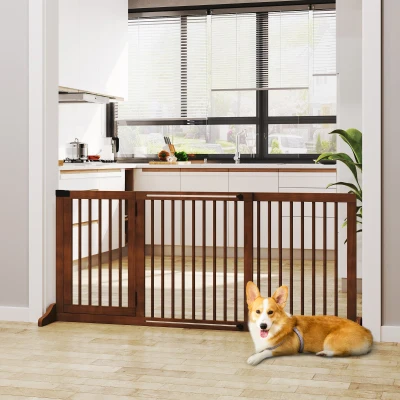
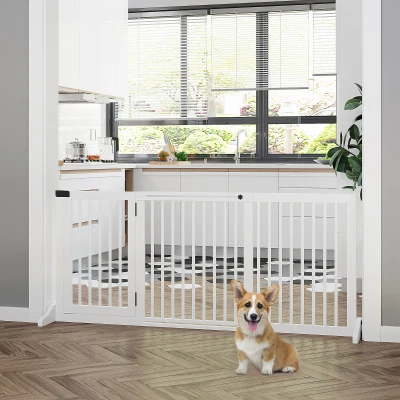
- Material – Metal gates offer durability for heavy use; wooden gates blend with décor.
- Installation – Pressure‑fit is renter‑friendly; hardware‑mounted is more secure for stair tops.
Where to Place Your Dog Gate for Stairs
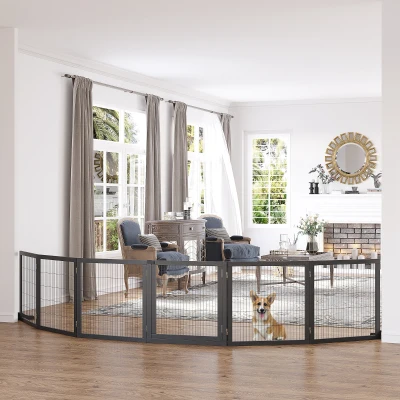
The placement of a dog gate for stairs depends on your home layout and your dog’s habits. For top‑of‑stair installations, a hardware‑mounted gate is recommended for maximum safety. For bottom‑of‑stair use, a pressure‑fit or freestanding gate may suffice. If you have an open‑plan living area, a foldable, multi‑panel gate can act as a room divider while still serving as a secure barrier.
Practical Tips for Using Dog Gates in Your Home
- Measure twice, buy once – Always confirm the width and height before ordering.
- Check for stability – After installation, give the gate a firm push to ensure it stays in place.
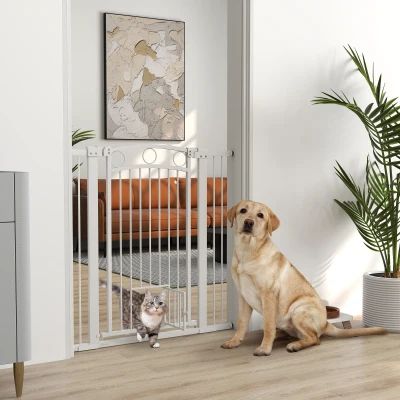
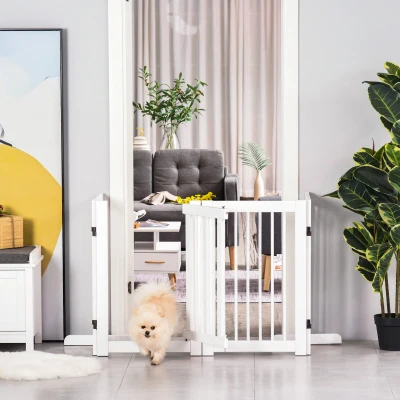
- Consider a walk‑through door – If you need to pass through frequently, a gate with a built‑in door is more convenient.
- Maintenance – Regularly check hinges, locks, and feet for wear, especially on wooden or freestanding models.
FAQ
1. Can I use a pressure‑fit gate at the top of the stairs?
For top‑of‑stair locations, hardware‑mounted gates are strongly recommended for safety. Pressure‑fit gates are better suited for doorways or bottom‑of‑stair use, as they rely on tension and can be pushed out of place by a determined dog.
2. What is the best material for a stair gate for dogs?
Metal (steel) gates are the most durable and secure for high‑traffic stair areas, especially if you have a large or energetic dog. Wooden gates are attractive for indoor use but may be less robust over time.
3. How do I install a dog gate for stairs without damaging banisters?
If you have banisters or irregular surfaces, consider a freestanding gate with support feet, or use a pressure‑fit gate with foam pads to protect the surfaces. Some gates come with specialised brackets that wrap around banister posts without drilling.